Listings
Market Stats
Popular Searches
Information

Fleming Island, FL Homes for Sale – Planned Suburban Living in Clay County FL

Home

Fleming Island is a master-planned suburban community in Clay County where daily life follows a steady, familiar flow shaped by US-17 and CR-220. Schools, grocery stores, parks, and neighborhood amenities stay close to home, while access north toward Orange Park and Jacksonville remains straightforward when needed. The area’s organized neighborhoods and golf communities support a pace of life that stays consistent week to week, appealing to buyers who value predictable routines and a calm, well-structured suburban environment. Scroll below to explore the latest Fleming Island homes for sale and see which neighborhoods align with your daily rhythm.

Latest Homes for Sale in Fleming Island FL

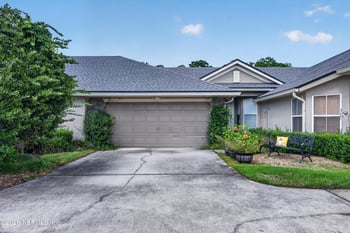
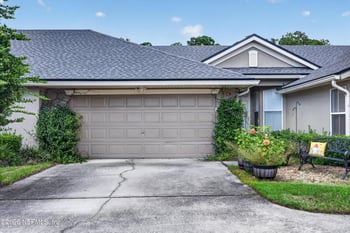
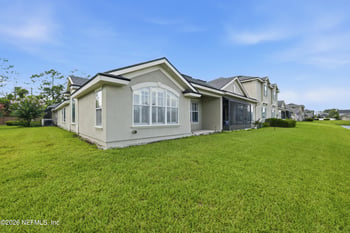
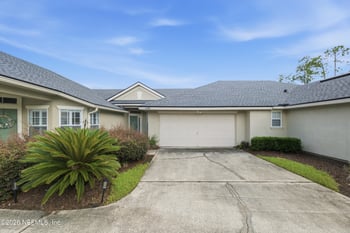
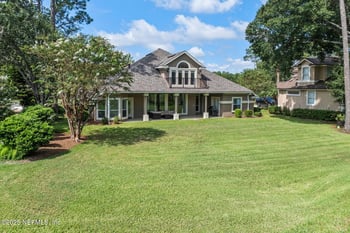
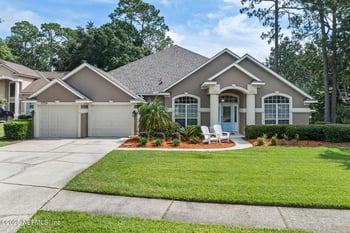
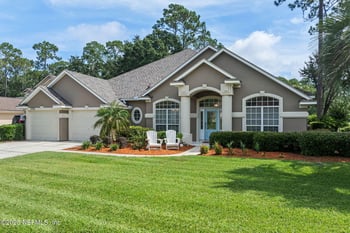
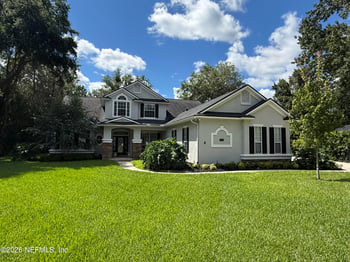
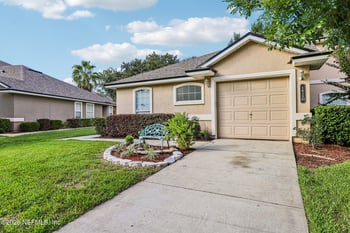
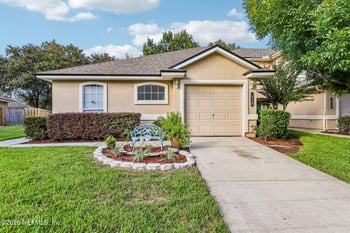
155 Properties Found
Sort By:

Current Real Estate Statistics for Homes in Fleming Island, FL

155
Homes Listed
45
Avg. Days on Site
$216
Avg. $ / Sq.Ft.
$511,875
Med. List Price

Fleming Island, FL Real Estate: Quick Things to Know Before Home Hunting

When you shop for Fleming Island homes for sale, the “best fit” usually comes down to three real-life things: the community name on the listing (because it can signal rules and fees), the drive you’ll repeat (US-17 and CR-220 show up fast), and what you can verify by address before you fall in love. Once those pieces are clear, it gets a lot easier to spot which homes are actually worth touring.

Fleming Island Homebuyer Quick Facts

What “Fleming Island” means on listings
It’s not always a clean “town line” situation. Listings can use “Fleming Island” while leaning on a community name (like Eagle Harbor or Fleming Island Plantation) to communicate the real day-to-day setup. If you need precision, confirm the recorded subdivision and legal description in the parcel record. Verify: Clay County Property Appraiser (parcel search)
HOA vs CDD (define it once, early)
An HOA is the rules and management side. A CDD (Community Development District) is a public financing structure that can show up as line items on a tax bill. Not every home has the same setup—confirm what applies to the specific address. Examples to check: Fleming Island Plantation CDDCrossings at Fleming Island CDD
The two roads you’ll feel quickly
Most routes in and out start to revolve around US-17 (north/south) and CR-220 (a key connector for errands and neighborhood access). Road work can change week-to-week—check active projects before you do a “commute test.” Check: Clay County road projectsFL511 traffic/incidents
A practical “center-of-week” reference
If you’re trying to picture day-to-day life, Town Center Blvd is a helpful reference point—library, YMCA, and nearby services are the kind of places you end up on ordinary Tuesdays, not just weekends.
“Near Doctors Lake” can mean different things
Some listings mean view. Some mean quick access. Some just mean “it’s in the general area.” If water time matters to you, confirm the closest public access points and then decide whether that’s “close enough” for your real life. Start here: Doctors Lake Park (Clay County)
The “verify-by-address” set that prevents surprises
Before you schedule five showings, do four quick checks for the address: parcel record, school assignment, flood map, and broadband options. It’s boring homework—until it saves you a month of second-guessing. Parcel: CCPAO • Schools: Find Your School Zone • Flood: FEMA Flood Map • Internet: FCC Broadband Map

Quick Fit Check

Fleming Island tends to fit you if…
  • You like planned-neighborhood living where upkeep and rules are part of the package.
  • You want a dependable errand setup close to home, not a long cross-town run for basics.
  • You’re willing to verify HOA/CDD details early so the “fine print” doesn’t surprise you later.
  • Your normal drives line up with US-17 / CR-220 in a way that feels workable.
You may feel better elsewhere if…
  • You strongly prefer no HOA rules and maximum freedom for parking, sheds, or projects.
  • You want a walk-to-dining setting to be the main lifestyle feature.
  • You need a very specific commute direction and don’t want US-17 to be part of it most days.
  • You want larger-lot or more rural-feeling options as the default, not the exception.

If you’re on the fence, the HOA/CDD homework plus one real drive test during your normal time windows usually clears it up fast.

Community Names You’ll See Often (And What They Usually Signal)

Eagle Harbor
Often used as a shorthand for an amenity-forward planned community setup. The key is confirming the specific address and any layered HOA documents that apply to that section of the community. Start: Eagle Harbor (official site) • Verify: CCPAO parcel record
Fleming Island Plantation
Commonly tied to a structured community governance setup. If you’re comparing homes here, verify HOA documents and whether a CDD applies to the address you’re viewing. Check: Fleming Island Plantation CDD • Verify: CCPAO parcel record
Pace Island
Often recognized as a gated community label. For any gated setup, the buyer-friendly move is to confirm gate/amenity rules and the HOA’s official disclosure path before you assume anything from photos. Start: Pace Island (community site)
Crossings at Fleming Island
Another label that can signal a specific governance/assessment structure. The cleanest confirmation is still by address: parcel record + tax/assessment lines + HOA estoppel when you’re under contract. Check: Crossings at Fleming Island CDD

If a listing remark feels vague, treat it like a hint—not a fact. The parcel record is what makes the community label precise.

Before You Tour: 7 Fast Checks That Prevent Regrets

  1. Confirm the recorded subdivision by address. Use the parcel record so you’re not guessing from the listing headline. (CCPAO)
  2. Verify school assignment early if it’s a driver. Community names and ZIP codes aren’t precise enough. (School zone tool)
  3. Spot HOA/CDD clues before you get attached. Ask where the HOA disclosure/estoppel comes from, and look for CDD references tied to the community name. (Examples: FIP CDD, Crossings CDD)
  4. Run a flood map check for the specific address. Don’t assume “near water” means anything without the map product for that parcel. (FEMA Flood Map Service Center)
  5. Confirm internet options at the address. One street can look identical to the next—service options don’t always match. (FCC Broadband Map)
  6. Test your real drive windows. Pick your top destinations and drive them once during your normal time. Check incidents/road work the same day. (FL511)
  7. Stand in the driveway and listen. Notice traffic sound, cut-through activity, lighting, and how the street feels when people are actually out and moving around.

This is also the simplest way to avoid wasted showings: verify the address-level deal-breakers first, then tour with confidence.

Schools: How to Stay Certain Without Guessing

The buyer-safe approach
If schools matter, don’t shop by neighborhood name alone. Use the district’s address lookup, then re-check closer to offer time since assignment rules can change. Verify: Find Your School Zone
What to pair it with
Pair the zone check with a drive test at school-run times. The building can be perfect, but the daily pickup line and turns are what you’ll remember.

Drive Reality (Plain English)

US-17
This is the main north/south thread through the area. If your work, family, or medical routine pulls you toward Orange Park or Jacksonville, you’ll want to feel how US-17 behaves during your actual times—not a random mid-day drive.
CR-220
A key connector for neighborhoods and errands. If a listing looks “close to everything,” CR-220 is often part of why—so it’s worth driving the turns and intersections you’d repeat weekly.
Road work and incidents (check before you test)
Conditions can change quickly with projects and lane closures. Before you decide a commute “works” or “doesn’t,” check what’s active that week. Check: Clay County road projectsFL511

Next step: pick two or three listings you like, run the same drive test for each, and keep the one that still feels good when you imagine doing it every week.

How to Shortlist Fleming Island Homes for Sale Without Guessing (Rules + Drive + Layout)

In Fleming Island real estate, the short list usually gets decided by three things you feel fast once you start touring: rules you can live with, drive direction you won’t resent, and a layout that fits your day-to-day. The mistake most homebuyers make is building a short list from photos, then discovering the rule set or the drive reality after they’re already attached. Use this as a repeatable way to narrow Fleming Island homes for sale into tours that actually move you forward. Be sure to contact us if you need help.

The Fleming Island Shortlist Method (Do This in Order)

1) Confirm what the address is recorded as (not just the listing label)
A listing can say “Fleming Island” and still be vague about what community the home is legally part of. Start with the parcel record (the county’s record for that specific property) and look for the recorded subdivision name and legal description (the formal way the property is described in records).
  • Open the parcel on the Clay County Property Appraiser site and confirm the recorded subdivision/legal description.
  • Write that community/subdivision name down exactly as shown. Use that same name consistently as you verify rules and documents.
  • If HOA/CDD is mentioned in the listing, treat it as a clue to verify (not proof that it applies the way you think it does).
2) Pull recorded neighborhood documents when available (rules start here)
Many Fleming Island communities have recorded documents that establish the baseline rules structure. This won’t tell you every current HOA policy, but it can confirm whether restrictions exist and how the community is structured on paper.
  • Use the Clay County Official Records search and search the recorded community/subdivision name.
  • Look for “Declaration,” “Covenants,” “Restrictions,” “Bylaws,” or “Amendment.” Save the instrument number or book/page for your notes.
  • If nothing comes up, don’t assume “no HOA.” Treat it as “not confirmed yet,” and verify through the seller, HOA, or management company.
3) If there’s an HOA, plan for an estoppel before you commit
An estoppel certificate is a written statement from the association confirming what’s owed for that address and whether anything is outstanding. In Florida HOAs, the statutory framework is laid out in Fla. Stat. 720.30851. The key for shortlisting is simple: if rules around parking, rentals, fences, sheds, or exterior changes matter to you, verify early.
  • While shortlisting: ask for the HOA name/management contact and the current rules packet (parking, rentals, fences, exterior changes).
  • Under contract: ask your title company when the estoppel will be ordered and when you can review it.
  • If boats/RVs/work vehicles are part of your life, treat restrictions as a top-tier decision item, not an afterthought.
4) Test the drive with your real destinations (same method for every home)
Fleming Island looks compact, but daily life can feel very different depending on where your week pulls you. Don’t guess. Run the same drive test for every home you’re serious about, using your real times and your real destinations.
  • Pick destination pins you actually care about: NAS Jacksonville, Downtown Jacksonville, and the Orange Park medical area are common ones.
  • Use your map app’s “Depart at” feature for morning and late afternoon. Save the results so you can compare homes consistently.
  • If your route depends on a bridge or a beltway segment, treat travel time as variable and plan one real-world test drive.
  • For work zones and incident patterns on a given day, use FL511 as a neutral check.
5) Shortlist by layout and lot feel (what you’ll notice every day)
Photos rarely capture the parts of a home you live with: how the driveway works, how private the backyard feels, whether the street stays calm, and whether stairs are a “now” issue or a “later” issue. For many right-sizers, these details matter more than an extra bonus room.
  • Driveway + parking: picture guests, extra cars, or a trailer—then verify whether rules allow it for that address.
  • Backyard view: check what the yard backs to (fence line, pond, tree cover, road) and how that feels standing there.
  • Stairs + daily flow: if you prefer easier living, prioritize first-floor living or primary-on-main layouts while you shortlist.
  • Street feel (buyer-safe): do one quick pass in the evening to notice lighting, cut-through traffic, and noise sources—no assumptions, just observation.
6) Use community names as a real estate decision shortcut (rules + routine)
When you keep seeing community names like Eagle Harbor, Fleming Island Plantation, Pace Island, or Hibernia Plantation, it’s usually a signal that buyers and listing remarks lean on those names to describe a package of rules, amenities, and daily convenience. Treat the name as a starting point, then verify the address details.
  • Pick two homes under the same community label and compare the rules/documents and drive-test results side-by-side.
  • If two homes share a “Fleming Island” label but feel different in your drive test, trust the routine evidence over the label.
  • If schools matter to your decision, verify assignment by address early using Clay County District Schools’ zone tools before you tour heavily.
You’re “done” shortlisting when:
  • You can name the recorded subdivision/community for each top home (from the parcel record).
  • You know whether there’s an HOA/CDD layer to verify and you have the contact path for documents/estoppel.
  • You’ve run the same drive test for your top destinations at your real times and saved the results for comparison.
  • You’ve checked layout deal-breakers (stairs, driveway use, backyard view) against how you actually live.
  • Your shortlist is small enough that touring feels productive—usually a handful of homes, not a long list of maybes.

Next step: pick your top two destinations (work, family, medical, school) and run the same drive test for your top listings. If the route feels wrong, it’s better to know that now—before you spend Saturday falling in love with the wrong fit.

What Counts as “Fleming Island” on Listings (And How to Confirm It)

When you’re browsing Fleming Island homes for sale, the “Fleming Island” label is often a region callout, not a hard boundary that tells you which community rules, fees, and daily routes come with the address. In Fleming Island real estate, the clean way to get clarity is simple: use the listing label as a starting hint, then confirm what the property is recorded as before you build a shortlist around it.

The 30-second mental model (no map stress)

“Fleming Island” = a broad place label
You’ll see it used across multiple well-known communities. That’s normal here, and it’s why two “Fleming Island” listings can feel like two different lifestyles once you read the rules and drive the routes.
Community names carry the practical details
Names like Eagle Harbor, Fleming Island Plantation, and Pace Island tend to signal “rules + fees + amenities + layout” more than the city-style label does. If you care about storage rules, parking, rental limits, or amenity access, the community layer is where the truth usually lives.
Your week is shaped by a few repeat routes
On a map, you’ll keep seeing US-17 and County Road 220 (CR-220). That doesn’t mean every trip is “traffic,” it just means those connectors decide how easy (or annoying) your normal errands and commutes feel. Pair that with the Town Center Blvd area for everyday stops, and you’re thinking like someone who actually lives here.

How to make the label precise (verify the recorded subdivision)

If a listing says “Fleming Island” but you’re trying to compare apples-to-apples, use the address to confirm what it’s recorded as. This is especially useful when you’re cross-shopping Eagle Harbor vs Fleming Island Plantation vs Pace Island and you don’t want to rely on the listing remarks alone.

  1. Pull the parcel record by address on the Clay County Property Appraiser site.
  2. Look for the recorded subdivision / legal description so you know which community framework the home is actually tied to (not just how it’s marketed).
  3. Scan for special assessment lines on the property’s tax/assessment records (often shown as “non-ad valorem assessments”) so you know what deserves a deeper read before you tour five homes in the same weekend.
  4. If you need the official documents, use the Clay County Clerk of Court & Comptroller resources to find recorded declarations/covenants and related filings tied to that community (when recorded).

You’re done when you can say, in plain English: “This home is recorded in [community/subdivision], and my normal routes are mostly US-17 / CR-220 / Town Center Blvd—so I know what I’m really comparing.”

Two quick examples that keep people from shortlisting the wrong “Fleming Island” home

Example 1: “Fleming Island” doesn’t tell you the rule set
Two homes can look similar in photos, but land under different community documents. If you care about things like parking, fences, rentals, or boat/RV storage, don’t guess—confirm the recorded subdivision and then pull the governing docs tied to that community.
Example 2: “Close” can mean different drives
A house that feels “close to everything” on paper can still create a daily hassle if your real life is pulled north or south along US-17 at busy times. Before you over-tour, map your most common stops and run a quick drive test at your real hours. That’s how Fleming Island real estate choices stop feeling abstract.

Fleming Island Neighborhoods and Subdivisions: What They Usually Mean for Rules and Daily Life

When you’re browsing Fleming Island real estate, you’ll notice the same community names show up again and again in listing remarks and “Subdivision” fields—names like Eagle Harbor, Fleming Island Plantation, and Pace Island. These names aren’t just branding. In practice, they often hint at the things that shape day-to-day living: rules, amenities, neighborhood layout, and how you naturally move to US-17, CR-220, and the Town Center Blvd area.

The important part: a listing label can be shorthand. If you want the “what does this home actually belong to?” answer, use the Clay County Property Appraiser parcel record as your tie-breaker, then match that to recorded documents (when applicable) through the Clay County Clerk of Court / official records tools. That’s how you stop guessing and start shortlisting with confidence.

The “Big Names” You’ll See on Listings (And What to Verify)

Eagle Harbor

Often signals a planned community feel with strong neighborhood identity, shared amenities, and layered rules (a master association plus sub-associations can apply).

Verify by address:
  • Is it inside the recorded Eagle Harbor subdivision (parcel record)?
  • Which association name shows on documents or the estoppel request?
  • Any practical rules that affect your life: parking, rentals, fences, sheds, boats/trailers.
Fleming Island Plantation

Often signals master-planned structure where HOA rules and district-style assessments may be part of the conversation (depending on the specific address and recorded documents).

Verify by address:
  • Confirm the recorded subdivision name on the parcel record.
  • Check tax/assessment records for “non-ad valorem” items tied to the parcel.
  • Request HOA docs + estoppel early if rules/assessments are a deal-breaker.
The Crossings at Fleming Island

Often appears as its own named community on paperwork, and it’s a good reminder that “Fleming Island” can include multiple district/association setups depending on the exact address.

Verify by address:
  • Confirm whether the parcel falls inside the district boundary (CDD docs).
  • Check recorded restrictions and any association layers tied to that parcel.
  • Ask the listing agent which association issues the estoppel for the address.
Pace Island

Commonly signals a gated-community setup with an HOA-centered rulebook. The real difference isn’t the name—it’s what the HOA documents allow (and what they don’t).

Verify by address:
  • Confirm the recorded subdivision/plat name on the parcel record.
  • Request HOA rules that impact your daily use: parking/storage, rentals, exterior changes.
  • Don’t assume “gated” equals “quiet” on every street—visit at your real times.

The Simple Tie-Breaker: Confirm the Community by Address (Not by Guessing)

If a listing says “Fleming Island” but you’re trying to understand what rules and obligations come with that home, here’s the clean path. It works whether you’re looking at Eagle Harbor, Fleming Island Plantation, Pace Island, or a smaller subdivision name you haven’t heard before.

  1. Pull the parcel record. Start with the Clay County Property Appraiser and confirm the recorded subdivision / legal description for the address.
  2. Check recorded documents when they exist. If the home is tied to an HOA or recorded restrictions, use the Clay County Clerk of Court official records tools to look for recorded declarations, covenants, and amendments tied to the subdivision or parcel.
  3. Confirm the “right paperwork” before you tour too hard. Ask which association issues the estoppel for that address, and request the rules that affect real life (parking/storage, rentals, exterior changes, amenity access).
  4. Use the name as a clue, not a verdict. Community names are useful signals—but in Fleming Island house hunting, the address-specific record is what keeps your shortlist honest.

You’re done with this step when you can explain—out loud—what community the home is recorded in, what documents control it, and which rules or assessments could realistically change how living there feels.

HOA and CDD Fees in Fleming Island: How to Spot It and Confirm What Applies (By Address)

In Fleming Island real estate, the surprise usually isn’t the kitchen—it’s the rules, the recurring assessments, and which entity controls them. The buyer-safe way to handle it is simple: treat every home as an address-level check, not a neighborhood guess or a line in the listing remarks.

Start with one clean distinction
HOA is the private association (rules + assessments). A CDD is a special-purpose district that can show up as assessments (often on the tax bill). A listing can mention either—or neither—so the address has to be the tie-breaker.
Two “spot it early” signals
  • Language clues: “CDD,” “non-ad valorem,” “master association,” “approval required,” “estoppel,” “ARC.”
  • Community-name clues: when the same big names keep showing up in Fleming Island homes for sale, it’s a hint to verify the association layer for the specific parcel.
Your “done” condition
You’re done when you can answer, for this address: (1) which association(s) apply, (2) where the rules live, (3) where assessments appear (tax bill vs HOA), and (4) who you request an estoppel from if you move forward.

The repeatable “by address” verification chain

This is the same sequence I’d use if I were shortlisting Fleming Island real estate for myself. Each step is quick, and each one reduces “surprises later.”

1) Pull the parcel record
Confirm the recorded subdivision / legal description for the address. Start here: Clay County Property Appraiser (CCPAO).
2) Check recorded documents
Look for declarations/covenants and amendments tied to that subdivision. Use the Clay County Clerk site and the Search County Records tool: Clay County Clerk.
3) Scan the tax bill structure
Look for non-ad valorem assessments and confirm what’s listed for that parcel. A starting point for how the tax bill is organized: Clay County Tax Collector.
4) If a CDD is mentioned, verify it
Confirm boundaries and district documents on the relevant CDD site. Two local examples you can reference when applicable: Fleming Island Plantation CDD and The Crossings at Fleming Island CDD.
5) Order the HOA estoppel when you’re serious
Once you’re into offer/inspection territory, an estoppel gives the “what’s owed + what applies” answer in writing. Florida’s HOA estoppel requirements are in statute: F.S. 720.30851.
Practical note (so you don’t overthink it)
If any step gets murky, that’s your signal to pause the shortlist and ask for the document, the boundary confirmation, or the estoppel pathway. In real estate, “clear on paper” beats “sounds right” every time.

Protecting Resale Value in Fleming Island Real Estate (Thinking Ahead)

In Fleming Island, “resale confidence” is less about one magic feature and more about avoiding the problems that show up later: surprise rules, an address that drives different than you expected, insurance friction, or a street that feels fine at noon but annoying at 7:30 p.m. None of this guarantees anything—but these are the checks that tend to keep a home’s day-to-day livability (and future marketability) from getting sideways.

The “Value Hygiene” Checklist (All Checkable, No Guessing)

1) Flood + water questions: verify by address
“Near Doctors Lake” can mean very different things in real life. Before you fall in love with a view, run the exact address through the FEMA Flood Map Service Center and then ask your insurer what that result does (or doesn’t) change for your quote.
2) Rules + recorded restrictions: treat it like normal homework
Fleming Island real estate is often neighborhood-name driven—Eagle Harbor, Fleming Island Plantation, Pace Island—because the rules and shared amenities can vary. If restrictions matter to you (parking, fences, rentals, sheds), don’t rely on listing remarks. Pull the recorded documents and confirm what applies to that address.
3) The drive test: run it at your real times
US-17 and CR-220 are simple on a map, but your experience depends on when you’re actually on them. Pick two or three “real life” destination pins (NAS Jacksonville, Downtown Jacksonville, an Orange Park medical stop) and test from the driveway during the time windows you’ll repeat weekly.
4) Street feel: check it more than once
This is buyer-safe, and it’s surprisingly practical: come back once after dark and once during a weekend mid-morning. You’re not trying to label anything as “safe” or “unsafe”—you’re checking lighting, speeding, cut-through traffic, barking-dog patterns, and whether the street feels calm or hectic at the hours you’ll actually be home.
5) Storage + parking reality: confirm, don’t assume
A home can look perfect online and still not work if you need boat/RV storage, work vehicle parking, or even just a driveway that fits your daily routine. In many HOA-governed communities, the practical friction is rules more than square footage—so treat parking/storage like a first-week question, not a “later” question.
6) Insurance friction: ask early (roof/wind docs if needed)
In Florida, insurance can become the deal-shaper—even when the house itself feels “fine.” If you’re serious about a property, talk to your insurer early about what they’ll want (roof age/condition, wind mitigation documentation, prior claims history where applicable). The goal is to avoid getting surprised after you’re emotionally committed.
7) Schools: verify assignment by address (even if you’re not school-driven)
Even if schools aren’t your deciding factor, they can influence how future buyers shop. The clean approach is simple: verify assignment by exact address using the district’s tools, and re-check before you write an offer if you’re close to a boundary.
A practical “done” condition
You’re done with this checklist when you can answer—using the address, not guesses—(1) what rules/associations apply, (2) what the flood/insurance picture looks like, and (3) whether the drive still feels acceptable at the times you’ll repeat. Once those are true, touring gets a lot more confident.

Getting Around Fleming Island: US-17, CR-220, and the Drive Reality

When you’re house hunting in Fleming Island real estate, the “drive reality” shows up fast. Not because every day is chaos—more because most normal routes keep coming back to the same connectors. If you understand US-17 and CR-220 early (and you know how to check today’s lane closures), you stop guessing which homes will actually feel easy to live in.

The two connectors you’ll keep using (even if you don’t mean to)
  • Treat US-17 as your main north–south line for everyday movement in and out of Fleming Island.
  • Use CR-220 as a practical east–west connector, especially when you’re comparing how a home “lands” for shopping, appointments, and getting toward Orange Park.
  • If a listing is described as “close to everything,” the fastest reality-check is to map it to US-17 and CR-220 and see what your most common stops actually look like.
Pinch points and projects worth keeping on your radar
  • The Doctors Inlet Bridge area is a named decision point people watch because it can stack up when lanes shift, crashes happen, or school traffic is in motion.
  • Clay County posts project updates and a weekly road/lane closure report—use it as your neutral “what’s actually happening this week” source before you plan a tour route.
  • If you’re touring in early 2026, Clay County’s project list includes work like CR-220 / Town Center Blvd resurfacing and other Fleming Island-area items—dates and impacts can change, so check the current update before you assume anything.
How to verify the “drive reality” before you burn a Saturday
  • Check official incident and lane-closure info first (start with FL511) so you know whether today is a normal day or an outlier.
  • Use Clay County’s Road Projects page when a listing sits near a route you’ll rely on, especially if a project is active or “starting soon.”
  • If you see unexpected congestion on one tour, treat it as a signal to re-test—not a verdict. Your goal is a repeatable comparison across multiple days/times.
Tour timing that matches real life (not “midday optimism”)
  • Do at least one drive-through during a school-run window and one in the early evening, because that’s when a lot of “this is fine” vs “this is annoying” becomes obvious.
  • Build the same simple loop every time: the home → US-17 → CR-220 (or the reverse) → your most likely errand stop. Keeping the route consistent makes comparisons fair.
  • If you’re choosing between two homes, the one that feels predictable at your real times usually creates less second-guessing after you move in.
You’re “done” with this step when:

You can explain—without guessing—how the address connects to US-17 and CR-220, what your most likely route looks like at your real times, and which official page you’ll check if there’s road work or lane closures.

Test the Drive: Comparing Commutes to Downtown Jacksonville and NAS Jax

When you’re comparing Fleming Island homes for sale, the “test the drive” is the quickest way to keep the search honest. Listings can look similar on screen, but your week feels very different depending on which direction you repeatedly head on US-17 and how often you need CR-220. This isn’t about chasing a perfect commute number — it’s about spotting a drive you can live with before you spend every Saturday touring.

Use the same “pins” every time (so comparisons are fair)

NAS Jacksonville (work / military hub)
Use this as a fixed destination if NAS Jax is part of your routine (or if you want a consistent “west-side” test). A common reference address is 6801 Roosevelt Blvd, Jacksonville, FL 32212. Verify NAS Jax directory details.
Downtown Jacksonville (consistent “downtown” test)
Pick one downtown point and keep it the same for every home. A clean, consistent pin is Jacksonville City Hall at 117 W Duval St, Jacksonville, FL 32202. Confirm City Hall info.
Orange Park medical area (real-life “appointment” test)
Even if you don’t go to this exact facility, it’s a useful, repeatable “errands + appointments” direction test. One concrete option is HCA Florida Orange Park Hospital at 2001 Kingsley Ave, Orange Park, FL 32073. Verify hospital location.

Not commuting to NAS Jax or Downtown? Swap in your real pins (your office, a family member’s neighborhood, a regular specialist). The point is consistency: use the same destinations for every Fleming Island home you’re comparing.

How to run the test (simple, repeatable, and checkable)

  1. Test two real windows: one weekday morning and one late afternoon (or the times you’d actually drive).
  2. Run the same route options each time (tolls/no-tolls if relevant), and don’t “optimize” mid-test just to make it feel better.
  3. Check incident reality before you leave using FL511 so you know whether a slowdown is normal flow or a crash/work zone.
  4. Score the drive in plain language: “fine,” “annoying,” or “deal-breaker.” Then write one sentence: what exactly bothered you (a certain turn, a merge, stop-and-go, school traffic).
  5. Repeat from one other listing you like. If the same pain shows up twice, it’s not a fluke — it’s part of the routine.

You’re “done” with this step when you can explain, out loud, why you’d pick Home A over Home B even if the photos were identical — because the weekly drive and direction fit your life better.

Why this matters specifically in Fleming Island real estate

Fleming Island house-hunting is often about choosing a routine, not just a house: which direction you’ll default for work, appointments, and quick errands, and how often you’ll cross the same US-17 and CR-220 decision points. A ten-minute difference isn’t the headline — predictability is. When the drive feels predictable, buyers tend to tour with clearer eyes and fewer “what if we picked wrong?” weekends.

A Normal Week in Fleming Island: Groceries, Appointments, and Quick Stops

When you’re looking at Fleming Island homes for sale, the biggest clarity usually comes from one simple mental switch: stop asking “Is it a good house?” and start asking “Will my normal week feel easy from this address?” Fleming Island real estate can look similar on a screen, so this section is about making the week concrete—using places you can verify and routes you can test.

Start with one reliable “quick stop” reference point

Listing remarks will say “close to everything,” but that can mean three very different drives depending on the address. A clean way to compare homes is to pick one place you’d realistically visit in everyday life, then run the same drive test from every listing you like. In Fleming Island, the Fleming Island Library is a practical option because it’s easy to verify and easy to route to.

Fleming Island Library (Clay County)

Use this as your consistent comparison point when you’re narrowing Fleming Island real estate options. Verify address + hours

How to run the test (so it’s not guesswork)
  • Pick two time windows you actually live by (example: weekday morning + late afternoon).
  • Route from the listing address to the library at both times.
  • Note what bothered you: stop-and-go, tricky turns, school-hour slowdowns, or “this is fine.”

You’re done when you can say, out loud, “This drive would be fine twice a week,” or “I’d avoid it every time.”

Appointments: pick your real destinations and compare routes

If you’re right-sizing or planning for easier living, “near medical” isn’t a vibe—it’s a route. Choose one or two places you’d actually use and test the drive from each listing. That’s a better decision tool than any marketing phrase on a homes-for-sale page.

Baptist Medical Center Clay

A commonly referenced hospital destination for route-testing in this part of Clay County. Verify location details

Florida Department of Health in Clay County (Fleming Island)

Another address-verifiable destination that helps you compare “appointment drives” across listings. Verify location details

Done condition (so this stays practical)

You’re done when each shortlisted home has the same two routes tested, at the same two time windows—so you’re comparing apples to apples.

The “service boundary” check: utilities change by address

This is the unglamorous part of Fleming Island homebuying that saves headaches later: two homes can be a few minutes apart and still land in different service setups. Don’t assume—verify the providers for the exact address while you’re still in shortlist mode.

Clay County utilities starting point

Use this page as the “who do I call?” reference for service setup and boundaries. Open utilities info

Fast verification checklist
  • Write down the listing address exactly as shown.
  • Confirm who provides water/sewer and who provides electric for that address.
  • Bookmark the start/transfer steps (you’ll want them later if you go under contract).

You’re done when you can name both providers for that house without guessing.

Parks and Water Access: Doctors Lake, Boat Ramps, and Everyday Outdoor Spots

When a Fleming Island home for sale says “near Doctors Lake,” it can mean three very different things: a water view from the back porch, a quick drive to a public pier, or actual launch access for a boat or kayak. The safest way to keep your real estate search honest is to pin the public access points first, then decide whether the listing’s location makes that access something you’ll truly use on an ordinary weeknight.

Doctors Lake Park (Public pier + easy “after dinner” option)

If you want a simple, repeatable lake stop—park, walk, sit on the pier—Doctors Lake Park is the kind of place you’ll actually use. Before you make it part of your routine, confirm the exact location and any posted hours/updates.

Verify Doctors Lake Park details (Clay County)

Launch access (Boat ramp reality, not “water nearby” wording)

A listing can be close to the lake and still feel far from launch access once you factor in parking, trailer handling, and “is this actually public?” details. If boating matters, pin the ramp you’d use and drive to it from the house at the times you’d really go.

Doctors Lake Park & Boat Ramp info (Explore Clay)

Moccasin Slough Park (Nature break, quick reset)

This is the kind of spot that doesn’t need a whole Saturday. If your ideal week includes a short trail walk or a quiet loop, it’s worth pinning and checking amenities before you assume it fits your routine.

Find Moccasin Slough Park in Clay County’s park directory

The “water access” checklist for a specific address

If a home’s appeal depends on the lake, don’t stop at the photos. Confirm (1) your closest public access point, (2) whether the HOA allows boat/trailer storage (if that matters to you), and (3) where you’ll realistically park—at the house and at the launch—before you spend a weekend touring.

This is one of the easiest ways to avoid “we love the idea of the lake” turning into “we never actually go.” If a listing makes the public access points feel close and usable, that’s when “near Doctors Lake” becomes real instead of marketing language.

Schools in Fleming Island: How to Confirm Zones Before You Tour

In Fleming Island real estate, school assignment is one of those details that can quietly decide whether a home works for your week. Here, “assignment” simply means what the district shows for that exact street address—so it’s something you can verify, save, and re-check instead of guessing off a listing description.

Even if schools aren’t your deciding factor, this still matters when you’re comparing Fleming Island homes for sale: school-day traffic patterns can change how a street feels at the times you’d actually be leaving for work, running errands, or pulling back in at the end of the day.

Step 1: Check the district tool by the exact address

Start with Clay County District Schools’ “Find Your School Zone” page. Use the full property address (and unit number, if there is one). This keeps your shortlist tied to the address—not a neighborhood nickname or a listing headline.

Clay County District Schools — Find Your School Zone

Step 2: Save your proof (so you don’t second-guess later)

Take a screenshot of the result and save it with the street address in the file name. When you’re comparing multiple homes, this prevents “I think it was…” mistakes—especially when listings use broad location language like “Fleming Island” without specifics.

Step 3: Re-check at two moments

Because policies and boundaries can change over time, do two quick re-checks:

  • Before you schedule multiple tours (so you don’t waste weekends).
  • Before you write an offer (and again before closing if your timeline is long).
Step 4: If anything conflicts, confirm directly

If what you see doesn’t match what a listing suggests (or what you’ve been told), verify it with the district for the exact address. You’re not asking for opinions—you’re asking for a straight confirmation tied to the property.

Bonus: Do one “school-day street check” while touring

On a weekday, do one quick pass near the home in a morning or mid-afternoon window. You’re just noticing basics you can verify yourself: is the street calm, is it a cut-through, and do you see predictable slowdowns that would affect your daily in-and-out?

You’re done when:
  • You’ve checked school assignment by address using the district tool.
  • You’ve saved a screenshot tied to the property address you care about.
  • You’ve re-checked before making an offer (and confirmed directly if anything conflicted).

Flood, Storm, and Insurance: What to Check by Address Before You Commit

If you’re home hunting in Fleming Island real estate, this part is less about “scary storm talk” and more about keeping surprises out of your budget. The rule of thumb is simple: don’t assume anything based on a neighborhood name, a water view, or what a seller mentions—run the checks by address, then price your insurance before you get emotionally attached.

1) Check the FEMA flood map for the exact address

“Flood zone” is a map designation, not a vibe. Two streets apart can look identical and still land in different zones or different insurance math.

  • Use the FEMA Flood Map Service Center and search the property address to view the current map panel and effective date.
  • Download or screenshot the map panel for your notes so you can compare homes using the same reference later.
  • If anything looks unclear (especially near water or low-lying drainage), ask your insurance agent what they need to quote accurately (they may request additional elevation or documentation).
2) Price the insurance before you write an offer

In Florida, the “can we live with this payment?” question is often an insurance question as much as it’s a house question.

  • Ask for a quote that clearly separates wind/hurricane coverage from flood coverage (flood is often a separate policy or endorsement).
  • Have the agent explain the hurricane deductible in plain language so you know what a real claim year could look like.
  • If you want a neutral starting point for consumer insurance basics, use the Florida CFO’s insurance consumer resources: Florida CFO – Insurance Consumer Protections.
3) Know your “storm plan” inputs (not just a supply list)

You don’t need to overthink this. You just want the basic answers for your address: what your county recommends, what you’d do if school closes, and where you’d go if power is out longer than expected.

4) What to notice during a tour (buyer-controlled checks)

This isn’t about diagnosing drainage on the spot. It’s about noticing the obvious “future hassle” clues while you’re already there.

  • Look for where water would realistically go: low spots in the yard, downspouts dumping at the foundation, or lots that slope toward the home.
  • If the home backs to ponds, retention areas, or wooded lowland, treat that as a prompt to run the FEMA map and get the insurance quote early—not as a deal-breaker by default.
  • Ask one direct question and document the answer: “Do you carry flood insurance now, and if so, is it required by the lender?” Then verify independently with your quote.

You’re done with this step when you can explain (in one sentence) the flood-map result for the address, what policies you’d carry, and whether the insurance changes which Fleming Island homes for sale are “worth touring again.”

Utilities, Garbage Pickup, and Internet: What to Confirm by Address

This is the unglamorous part of a Fleming Island home search that can still change your decision fast. Two homes can look identical in the listing photos, but the real-life setup can differ by address—who provides water/sewer, what day the trash runs, and whether the internet options match how you actually live. The goal here is simple: stop guessing and run the same quick checks on every Fleming Island real estate listing you’re serious about.

Step 1: Confirm water/sewer by address (don’t assume)

Start with Clay County Utility Authority (CCUA) for the property address and verify what services are available and how service is initiated. If the listing is vague, treat that as normal—just run the address through the CCUA “new service” workflow so you’re working from the recorded service reality, not a guess.

CCUA (Clay County Utility Authority)

Step 2: Confirm electric service and “start service” steps

For electric, verify who serves the address and what their start/transfer process looks like. In Fleming Island, Clay Electric Cooperative is a common provider, and it’s worth confirming early if you’re comparing homes with different build eras or communities—setup is usually straightforward, but you want the right provider and the right instructions for your specific address.

Clay Electric Cooperative

Step 3: Look up trash/recycling pickup day by address (Clay County)

Don’t rely on “it’s usually Monday” type advice. Use the county’s lookup tool for the exact address so you know the collection day and the service notes that apply. This is especially helpful when you’re comparing neighborhoods that feel similar on the map but operate on different routes and schedules.

Clay County Collection Schedule (address lookup)

Step 4: Check internet availability the neutral way (FCC map), then confirm install timing

Internet is the one that surprises people because “near Town Center” doesn’t automatically mean the same options on every street. Start with the FCC National Broadband Map for the address so you can see what providers report serving that specific location. Then do the practical follow-up: confirm install lead time with your preferred provider, especially if you work from home or you’re trying to be online quickly after closing.

FCC National Broadband Map

You’re done when…

You can say, for the exact address: who handles water/sewer, who handles electric, what day trash runs, and what internet options are realistically available. Once those are confirmed, you’re not “touring blind” anymore—you’re comparing Fleming Island homes with the daily setup already accounted for.

What to Check during a Home Tour: Noise, Lighting, Speeding, and Street Feel (Buyer-Safe Method)

This part of Fleming Island real estate is where you stop trusting photos and start trusting what you can actually observe. The goal here isn’t to label anything “safe” or “unsafe,” and it’s not about judging who lives nearby. It’s a practical method to reduce surprises: noise, cut-through traffic, lighting, and how the street behaves at the times you’ll actually be home.

Do a simple “three-visit” pass (same address, different hours)

If you can, see the home three times: once on a weekday rush window, once in the early evening, and once on a weekend. You’re not trying to “catch” anything—just notice whether the street behaves the same way every time. If the address sits near a main road like US-17 or CR-220, these different time windows can change what you hear and how traffic moves.

Quick pass/fail yardsticks (keep it simple)
  • If the street feels calm at noon but consistently busy at dinner-time, treat that as a real data point—not a fluke.
  • If parking is already tight during your showing, assume it may be tighter during the hours you’ll actually be home.
  • If you find yourself thinking “this is fine, but only if it stays like this,” plan one more visit before you get attached.
Do the 60-second sound check (front and back)

Stand still for 60 seconds at the front entry and again in the backyard. Don’t “listen for perfect silence.” Listen for what’s steady. This is especially useful when the lot backs to a busier route, a neighborhood connector, or a shared fence line.

What to flag (so it’s not vague)
  • If you hear constant tire noise for most of the 60 seconds, assume it’s part of daily life there.
  • If you hear a repeating “burst” pattern (revving, braking, loud exhaust) more than once in a minute, note the direction it’s coming from and re-check at night.
  • If your showing is quiet but you see a lot of through-traffic, come back near dinner-time and repeat the same test.
Check lighting and sight lines like you’ll live there

Walk from the curb to the front door, then look down the street in both directions. Do it again after sunset if you can. You’re not making a “safety” statement—you’re checking whether you’ll feel comfortable pulling in, walking the dog, or taking the trash out at night.

Simple observations that matter
  • Are there long dark stretches between working street lights, or does it stay evenly lit?
  • Does the home’s driveway/entry feel exposed to fast traffic, or buffered?
  • If you’d hesitate to walk from car to door at night, write that down and treat it as a real preference—then compare it to the next home.
Speeding and cut-through traffic: watch one stop sign

Pick a nearby stop sign or intersection you can see from the sidewalk and watch for 10 minutes. You’re looking for patterns: rolling stops, fast turns, or steady shortcut traffic that would make pulling out of your driveway annoying.

A practical threshold
  • If you see multiple cars roll the stop sign in a short 10-minute window, flag it and re-check during a rush window.
  • If cars routinely accelerate hard after the stop sign, assume you’ll hear it from the yard/porch depending on orientation.
  • If the street feels like a shortcut between two main roads, expect it to behave like one at peak hours.
Use public tools carefully (inputs, not verdicts)

If you want a public-data check, start with the Clay County Sheriff’s Office resources and then, if you choose, review a mapping tool like Community Crime Map. Coverage, categories, and reporting can vary by agency, and incidents are not the same thing as convictions—so treat this as one lens alongside what you observed on-site.

Where to start
You’re “done” when you can explain your decision in plain English

After your tour, you should be able to say: “I know what the street sounds like, how it behaves at peak times, and whether the lighting and traffic match how I live.” If you can’t say that yet, you’re not behind—you just need one more targeted revisit before you move forward in the home search.

Fleming Island vs Nearby Areas: Orange Park, Middleburg, and Green Cove Springs (Decision Trade-Offs)

When you’re cross-shopping Fleming Island homes for sale, it helps to stop comparing “feel” and start comparing the parts of your week that don’t negotiate: drive direction, rule sets (HOA/CDD), and where errands actually land. Orange Park, Middleburg, and Green Cove Springs can all make sense on paper. The clean way to choose is to run the same checks for each address, every time.

Use the Same 3 Destination Pins for Every Address (So Comparisons Are Fair)

Pick the places you’d truly drive to, then keep them consistent across Fleming Island real estate, Orange Park real estate, Middleburg real estate, and Green Cove Springs real estate. You’re not hunting the “best route.” You’re testing whether the drive feels predictable at your real times.

  • Work/commute pin: NAS Jacksonville (if that’s in your orbit).
  • Downtown pin: Downtown Jacksonville (City Hall area) so you’re using one consistent endpoint.
  • Medical/errand pin: an Orange Park medical area destination you’d actually use (choose one and keep it fixed).

Tip: run each drive twice—once during a weekday peak window and once in a calmer window—then sanity-check incidents and work zones before/after on Florida 511: fl511.com

Rules + Fees Travel with the Address (So Check Them Before You Tour Deep)

This is where cross-shopping gets real. Two homes can look similar, but the recorded subdivision, HOA layers, or a CDD assessment can change your monthly obligations and what you can do with the property. Don’t guess from the listing remarks—verify the address.

  • Start with the parcel record to confirm how the home is recorded (subdivision/legal description): Clay County Property Appraiser
  • Then look for recorded documents tied to that community (declarations, covenants, amendments): Clay County Clerk (County Records)
  • If an HOA applies, ask for the HOA documents early and request an estoppel at the appropriate stage (your agent/title company can help with timing).
  • If a listing mentions a CDD, confirm what district (if any) applies using the district’s official site for boundaries/docs (example locals often reference: Fleming Island Plantation / Crossings CDDs—verify by address).

Drive Direction Is the Day-to-Day Difference (Especially Along US-17 and CR-220)

You don’t need a lecture on roads—you need a reality check for your routine. In Fleming Island, US-17 and CR-220 are the connectors you’ll see over and over in mapping, showing requests, and weekly errands. Nearby areas can shift which direction you’re “pulling” most days, and that’s what you’ll feel after the first month of living there.

  • If your life points you toward Jacksonville and Orange Park often, compare Fleming Island vs Orange Park using the same three destination pins and the same drive windows.
  • If you care more about “space vs drive” trade-offs, include Middleburg in the same test—then decide if the extra miles feel neutral or costly to your week.
  • If you’re looking south on US-17, run Green Cove Springs with the same method and pay attention to how often you’ll be crossing the same pinch points at the same times.

The “Same Homework” Checks Still Apply (Schools, Flood, Utilities) — By Address

Cross-shopping doesn’t remove due diligence—it makes it more important. If something would change your decision, treat it as an address-level check, not a neighborhood reputation.

You’re Done When You Can Explain Your Pick (Even If the “Same House” Existed in Each Place)

Here’s the finish line: if you can say, plainly, “I’d choose Fleming Island (or Orange Park / Middleburg / Green Cove Springs) because the drive direction fits my week, the rules/fees match my tolerance, and the address checks came back clean,” you’re not guessing anymore. That’s a real estate decision you can defend later—without needing a perfect prediction.

Fleming Island Real Estate FAQs (Buyer-Safe, Address-Check Answers)

These are the questions that tend to come up once you’re looking at Fleming Island homes for sale and trying to avoid surprises. Every answer either links to the right official tool or gives you a simple “check it by address” workflow.

Is Eagle Harbor “considered” Fleming Island when you’re home hunting?

In Fleming Island real estate, “considered” usually means how listings label it and what your address is recorded as. Eagle Harbor is commonly marketed as Fleming Island, but when you need a tie-breaker (schools, fees, rules, services), rely on the record—not the remark.

  • Check the Clay County Property Appraiser parcel record to confirm the recorded subdivision/legal description for that exact address.
  • Use the listing’s community/subdivision field as a clue, then verify it with the parcel record if anything looks inconsistent.
  • If you’re comparing two homes that both say “Fleming Island,” sanity-check where they sit relative to US-17, CR-220, and your weekly destinations—because that’s what changes your routine.

How do I confirm which Fleming Island community a home is actually in?

Start by treating “Fleming Island” in the listing as a broad location label, not a precise community name. The buyer-relevant details—HOA rules, amenities, restrictions, and what’s actually recorded—usually live in the subdivision tied to that specific address, not the headline description. To confirm it, look up the address in the Clay County Property Appraiser record, then cross-check the recorded subdivision name and any related documents filed for that community.

How do I confirm HOA rules, HOA fees, or CDD-type charges for one specific address?

Don’t guess from the neighborhood name. In Fleming Island real estate, the clean workflow is: confirm the recorded subdivision, pull recorded documents if needed, and request the current HOA status in writing before closing.

  • Step 1: Confirm the recorded subdivision via the Clay County Property Appraiser parcel record.
  • Step 2: If you need the actual declaration/covenants/amendments, use the Clay County Clerk’s Search County Records tool (Official Records) and search by subdivision/party name when applicable.
  • Step 3: For what’s current (balances, approvals, rental rules, vehicle/boat storage rules), request an HOA estoppel/status letter through your closing process. That’s the “right-now” answer.
  • Step 4: On the tax/assessment side, review the parcel/tax info for non-ad valorem-style line items and confirm what they represent before you assume it’s “nothing.”

How do I confirm school zones for a Fleming Island home before I do a home tour?

Use the district’s address tool early, then re-check later. Zones can change, and listings can be wrong even when they’re well-intended.

  • Use Clay County District Schools “Find Your School Zone” by address: Find Your School Zone.
  • Re-check the zone before you write an offer and again before closing (same address, same tool).
  • If the address sits near a boundary or you see conflicting info, call/email the district for confirmation and document the response.

How can I check flood zone and flood insurance risk by address (without panic)?

Make it routine homework: verify the map, then price the insurance before you get emotionally committed.

  • Run the address on FEMA’s Flood Map Service Center: FEMA MSC.
  • If the map result is unclear, ask for the exact map panel and talk it through with your insurance agent (and confirm any elevation documentation that exists for the property).
  • Get an insurance quote before you offer. It can change the monthly reality fast, especially near water.
  • For general flood insurance education, use FloodSmart as a neutral baseline.

How do I test the drive (Downtown Jacksonville, NAS Jax) in a way that actually helps?

Don’t chase a single “commute time.” Use a repeatable comparison so you can rank homes fairly.

  • Pick fixed pins: NAS Jacksonville, Downtown Jacksonville (City Hall area works), and one Orange Park medical destination you’d actually use.
  • Run the routes at your real times (weekday morning, weekday late afternoon). Save screenshots or notes so Home A and Home B are compared using the same time window.
  • Before and after each test run, check incidents/work zones via Florida 511: FL511.

How do I confirm utilities, trash pickup day, and internet options for one address?

Treat this as an address-level checklist, not a neighborhood rumor. Two homes a few streets apart can land on different service patterns.

  • Water/sewer: start with Clay County Utility Authority: clayutility.org.
  • Electric: confirm with Clay Electric Cooperative: clayelectric.com.
  • Trash/recycling: use Clay County’s solid waste resources and lookup tools: claycountygov.com (Solid Waste / Environmental Services).
  • Internet: run the address on the FCC National Broadband Map: broadbandmap.fcc.gov (then confirm pricing/availability directly with the provider before you rely on it).

How can I evaluate “street feel” without calling an area safe or unsafe?

Focus on what you can observe and measure: noise, lighting, speeding, and cut-through traffic. This is about your comfort and daily livability preferences—not making judgments about who lives in a neighborhood.

  • Do three quick visits: weekday late afternoon, after dark, and a weekend midday. Same street, different story.
  • Noise check: stand still for 60 seconds in the front and (if accessible) the backyard. If you hear steady road noise for most of that minute, flag it and compare it to other homes.
  • Speeding check: watch one stop sign or curve for 10 minutes. If you see multiple cars rolling through without slowing, flag it.
  • Lighting check after dark: look for long dark gaps, glare right at bedroom windows, or entrances that feel unlit from curb to door.
  • If you use incident mapping tools, treat them as one input and understand limitations (coverage/reporting vary). Start with the official agency: Clay County Sheriff’s Office.

How should I compare Fleming Island vs Orange Park, Middleburg, and Green Cove Springs?

Don’t compare “vibes.” Compare the week you’re actually going to live. The best framework is drive direction, rules tolerance, and where your errands and appointments naturally land.

  • Use the same commute locations (NAS Jax, Downtown Jax, Orange Park medical) and test them for each area at the same times.
  • Run the same address-level checks everywhere: school zones, flood map, utilities, and HOA/assessment obligations.
  • You’re “done” when you can explain why you’d pick one area even if you found a very similar home in the others.
Get Your Home’s Real Value — Verified by a Local Expert
Have a top local Realtor give you a FREE Comparative Market Analysis
How We Helped Our Clients
Panel only seen by widget owner
Raleigh Realty HomesRaleigh Realty Homes
Company
Home904.com logo

United Real Estate Gallery – Park Ave
1832 Park Avenue, Orange Park, FL 32073
First Coast Cities

Home904.com was built to make home searching in Jacksonville and across Northeast Florida clearer, calmer, and more accurate—pairing real-time MLS data with on-the-ground local context so decisions feel grounded, not rushed.

The site is run by Susie Takara, REALTOR®, a Northeast Florida real estate professional with United Real Estate Gallery known for steady communication, strong negotiation, and a relationships-first approach.

Whether you’re comparing communities in Jacksonville, Orange Park, Fleming Island, Middleburg, St. Johns, or Green Cove Springs, Home904 is designed to help you understand how a home and neighborhood will actually function day to day—at your pace, with guidance available when you want it.


© 2026 Northeast Florida Multiple Listing Service, Inc. All rights reserved. The data relating to real estate for sale on this web site comes in part from the Internet Data Exchange (IDX) program of the Northeast Florida Multiple Listing Service, Inc. Real estate listings held by brokerage firms other than United Real Estate Gallery are marked with the listing broker’s name and detailed information about such listings includes the name of the listing brokers. Data provided is deemed reliable but is not guaranteed.