New - 11 Hours Ago


$899,990
Active
2
Beds
2
Baths
1346
Sqft
0.02
Acres
1415 1st St N #303, Jacksonville Beach, FL 32250
MLS#: 2167003
Jacksonville Beach FL homes for sale live and die by the block, not the ZIP code. The 1st St N stretch around the Jax Beach Pier and Seawalk Pavilion is the “walk everywhere” version of beach life—fun, louder on weekends, and more foot traffic when events are on. If you want the same salt-air mornings with a little more breathing room, the south end near South Beach Park tends to feel calmer with easier parking and less late-night spillover, while still keeping 3rd Street (A1A) and JTB (SR 202) in the mix for getting back toward town.


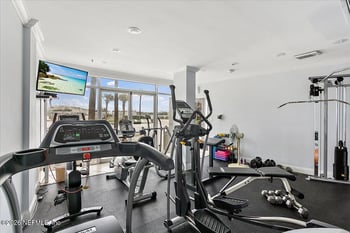
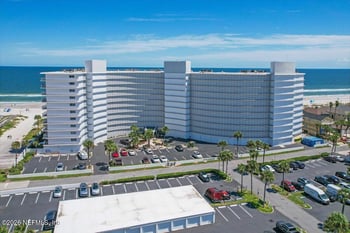
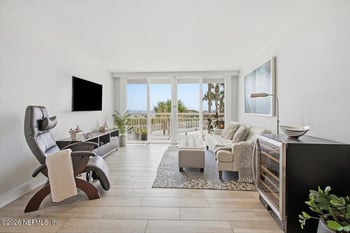
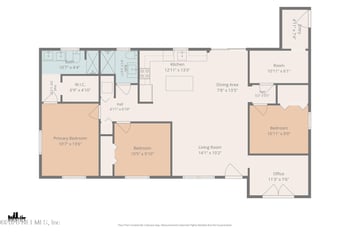
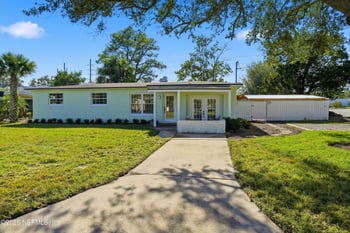
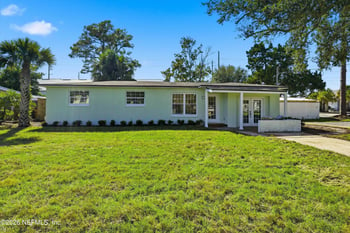


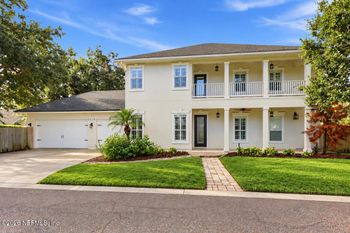


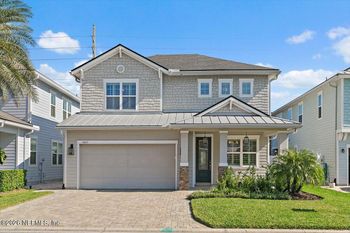


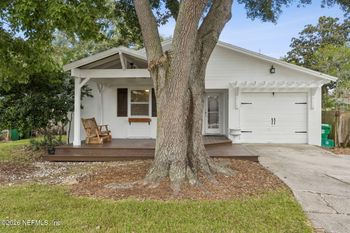
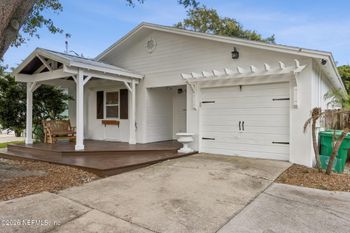


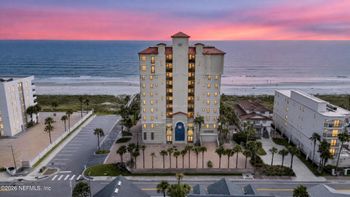

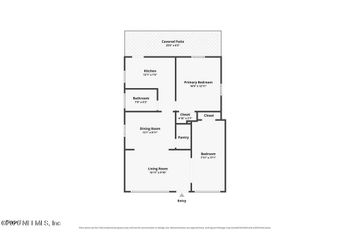

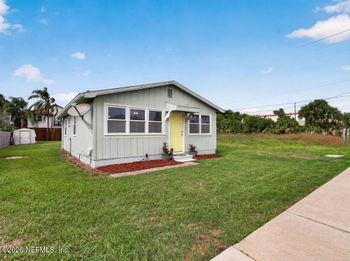


A lived-in beach town where the shoreline is part of daily routine, not a backdrop. The atmosphere stays casual, active, and neighborly rather than polished or resort-driven.
A mix of long-time beach locals, professionals commuting into Jacksonville or Mayo Clinic, and retirees who want the ocean woven into everyday life rather than reserved for weekends.
Daily life revolves around walkability, bikes, the beach, and nearby parks. Many residents organize routines around surf conditions, weather windows, and being outdoors before or after work.
Weekend crowds near the pier, block-by-block differences in drainage and elevation, and older coastal housing stock mean buyers need to evaluate location carefully—not just floor plans.
North Jax Beach and the Pier District; South Jax Beach with quieter residential blocks; inland streets near South Beach Park & Sunshine Playground; and newer townhomes west of 3rd Street.
A1A, Beach Boulevard, and Butler Boulevard connect residents to Jacksonville, Town Center, and Mayo Clinic. Inside the beach core, bikes and short drives cover most daily needs.
South Beach Park & Sunshine Playground anchors daily family life with courts, turf, skate features, and a seasonal splash pad. Details are maintained by the city at jacksonvillebeach.org.
The city manages beach conduct, cleanliness, and seasonal rules to keep the shoreline usable year-round. Current guidelines are published at jacksonvillebeach.org.
Conditions can change from one block to the next—especially for parking, elevation, and storm drainage. Similar-looking homes may perform very differently after heavy rain or during peak summer weekends.
Living in Jacksonville Beach feels less like a destination and more like a routine you fall into. Mornings often start with a walk or bike ride toward the ocean, not because it’s a novelty, but because it’s simply there. Some people check surf conditions the way others check traffic. Others time errands around the breeze and the sun rather than a strict schedule.
This is not a resort strip. It’s a real, functioning beach city with schools, parks, neighborhood streets, and a mix of homes that reflect decades of growth. You’ll see older beach cottages next to modern townhomes, long-time locals chatting near the pier, and families settling in for the afternoon at community parks. Life here is organized around daily use, not seasonal appeal.
Jacksonville Beach is compact, which shapes how people move through their day. Many residents bike or walk for short trips, especially east of A1A, where errands, schools, and beach access often overlap. Beach Boulevard and Butler Boulevard handle most commuting from Jacksonville Beach toward larger Jacksonville job centers, including the Town Center and Mayo Clinic, while neighborhood streets stay calmer once you’re a few blocks off the main corridors.
Weekdays tend to feel steady and predictable. On weekends—particularly near the pier—there’s more foot traffic and visitor activity. Most locals quickly learn which blocks stay quiet and which ones absorb the weekend energy, and they plan their routines accordingly.
Jacksonville Beach changes noticeably by block. Areas closer to the pier feel more active and walk-centric, while southern sections lean more residential with longer stretches of quieter streets. Inland pockets near parks and schools attract households that want green space and a little separation without leaving the beach environment.
These differences matter. Two homes that look similar on paper can live very differently depending on elevation, drainage patterns, parking access, and proximity to high-traffic streets. That’s why listings here range from older cottages and small multifamily buildings to newer townhomes, sometimes within a few blocks of each other. Locals tend to judge homes less by square footage and more by how the block behaves after a heavy rain or during a busy holiday weekend.
Families in Jacksonville Beach are served by Duval County public schools, with neighborhood options such as Fletcher High School forming a central part of the local community fabric. School assignments and enrollment patterns are an important consideration for buyers planning to stay long term, and address-level verification is a normal part of the process.
From a day-to-day standpoint, Jacksonville Beach operates as a small, self-contained city. Public spaces are actively used and clearly regulated, beach access rules are enforced, and parks see consistent family activity throughout the week. Most daily errands, school drop-offs, and park visits happen on foot or by bike, reinforcing the sense that this is a place designed for everyday living rather than occasional tourism.
Jacksonville Beach works best for people who want the ocean to be part of everyday life, not an occasional outing. It suits buyers who value walkability, outdoor routines, and a casual pace—and who are comfortable with the realities of coastal living in Jacksonville Beach, where age, exposure, and block layout matter.
It may not be the right fit for buyers who want large garages, uniform subdivisions, or consistently quiet weekends. Parking can be limited in certain areas, older homes require more hands-on ownership, and conditions can change from one street to the next. Most residents who choose to live here do so with a clear understanding of those trade-offs.
Owning in Jacksonville Beach is different than owning inland. Salt air, humidity, and weather exposure mean exterior maintenance carries more weight, and owners tend to think in terms of ongoing stewardship rather than one-time upgrades. Roofing, windows, drainage, and elevation often factor more heavily into decisions than purely cosmetic finishes.
Because Jacksonville Beach functions as a full-service residential city rather than a seasonal market, many owners view long-term demand as lifestyle-driven rather than trend-driven. Homes here are evaluated less as short-term assets and more as places that support consistent routines—ones that hold up even as the surrounding region continues to grow.
People stay in Jacksonville Beach because it’s usable. It doesn’t try to impress. It works. You can surf before work, walk to dinner, let kids run at the park, and still reach the rest of Jacksonville when needed. Over time, those everyday patterns matter more than amenities.
Buyers who also explore nearby beach towns often find that Jacksonville Beach feels more active and self-contained, while neighboring areas lean either quieter or more residential by comparison. For those who want a real beach community rather than a postcard version of one, Jacksonville Beach tends to make sense in ways that last.
Many residents walk or bike for daily routines, especially in areas closer to the beach and east of A1A where errands, parks, and beach access overlap. That said, most households still keep a car for commuting, grocery runs, and anything outside the beach core.
Yes. Elevation, storm drainage, and water behavior can change noticeably from one street to the next, even between nearby listings. Buyers typically review the flood zone, consider elevation and drainage patterns, and pay attention to how the street performs after heavy rain before making assumptions based on a map alone.
Jacksonville Beach includes a mix of older coastal cottages, renovated single-family homes, townhomes, and some small multifamily buildings. Because neighborhoods evolved over time, it’s normal to see very different styles and construction eras within a short distance of each other.
Day-to-day, it functions as a lived-in beach city with regular routines—schools, parks, neighborhood streets, and commuting patterns. Weekends and holidays can bring more visitors near the pier and the most walkable corridors, but many residential blocks stay quieter once you’re a few streets off the high-traffic areas.
Jacksonville Beach is served by Duval County Public Schools, and families often evaluate school assignment by address. Because options can vary based on zoning and enrollment, buyers typically confirm the current school path for a specific property rather than relying on general assumptions about the area.
Coastal ownership is more “stewardship” than set-it-and-forget-it. Buyers commonly look closely at roofing, windows, exterior materials, drainage, and signs of weather exposure. A home that’s well maintained and appropriately updated for the coastal environment often feels very different to own than one that was renovated without long-term durability in mind.