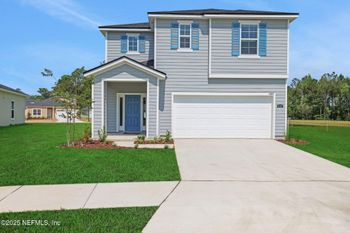
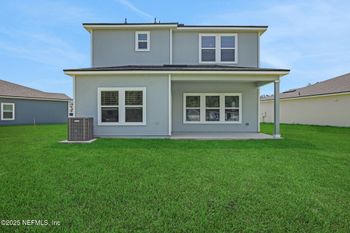
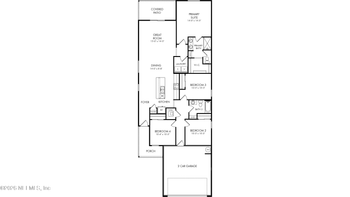
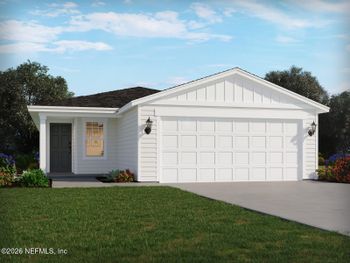
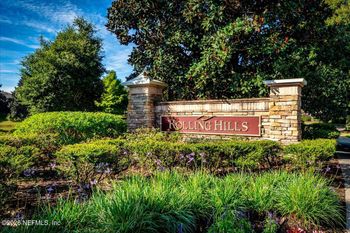
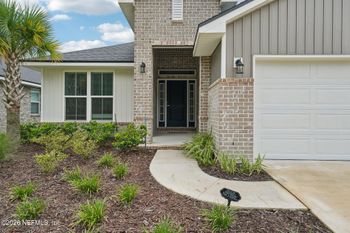
Green Cove Springs FL homes for sale come down to whether you want to be near Spring Park, the City Pier, and Walnut Street riverfront walks, or closer to US 17 and SR 16 for faster in-and-out days. Local reality check: run US 17 at peak time, then decide if you’d rather trade a few minutes of drive-time for a quieter street or stay closer to the riverfront for after-dinner air and community events.
If you’re shopping Green Cove Springs homes for sale, here’s the short, practical version—written like it’s run by a local real estate expert. Most Green Cove Springs real estate decisions come down to your daily drives, which side of “city services” a specific address lands on, and whether you want the riverfront town feel or more space outside the core. Use this to get oriented, then scroll listings with clearer expectations.
If you’re torn, a single tour day that includes one errand run, one school-zone check, and 10 minutes at Spring Park usually makes the choice feel clear.
Even if schools aren’t your main priority, they often shape how other homebuyers shop—so it’s still worth knowing what an address is assigned to before you decide.
If you’re trying to understand Green Cove Springs homes for sale beyond the photos, start with one simple test: spend ten minutes at Spring Park (200 Spring St). It’s the quickest way to feel the town in real time—river breeze, people walking the boardwalk, and that calm “small town on the water” vibe that either clicks for you or it doesn’t.
At the Green Cove Springs real estate level, the choice here usually comes down to three things: town feel, your daily drives, and a few address-level details that change how ownership feels once you move in. Green Cove Springs is the Clay County seat, so the downtown blocks can feel more active mid-day on weekdays when the courthouse and county offices are in full swing. Later in the day, it tends to settle back down, and the riverfront is where you’ll see more of the town’s regular life.
For day-to-day practicality, US-17 is the through-town route you’ll keep using—errands, appointments, and getting north toward Fleming Island and Orange Park when you want more options. That’s why homebuyers often cross-shop: some people love Green Cove Springs real estate for the quieter home base and the riverfront feel, while others realize they want the more convenience-forward setup they associate with Fleming Island.
Plain trade-off: Green Cove Springs real estate can give you a calmer home base with a true riverfront town-center feel, but the smartest short list comes from verifying the details by address—services, routes, and what your weekly drives will actually be.
This page is run by a local real estate expert. Still, the method stays the same: if Spring Park feels right and the US-17 drive doesn’t bother you, you’re ready to scroll listings with a clearer filter—and we’ll walk through schools, flood checks, utilities, and internet the same address-first way in the sections below.
The fastest way to understand Green Cove Springs real estate is to drive it like you already live here. Not a scenic lap—your actual routes. Where you’ll turn for errands, which road you’ll default to on work days, and what a river crossing feels like when you’re running late.
Homebuyers usually don’t end up describing the commute by mileage. They describe it by which road they’ll rely on and when they’ll be on it—because the “easy” drive here is the one that stays predictable for your routine. And once you settle into a route, there aren’t endless alternate ways around it.
Plain trade-off: navigation stays straightforward here—fewer complicated routes, fewer weird detours—but that also means fewer alternate options when the main roads feel busy. The best way to shop Green Cove Springs homes for sale is to verify your drive first, then short list listings that match the route you’re actually willing to live with.
This page is run by a local real estate expert, but the approach is simple: decide which route you’ll rely on most (US-17, SR-16 + Shands Bridge, or SR-21 direction), test it at real times, and let that result guide which part of Green Cove Springs real estate makes sense for your week.
The “week-to-week” version of Green Cove Springs real estate is simple: a lot of your basics are easy to handle in town, and then there’s a second layer—appointments and bigger errands—that tends to point you toward Middleburg or Orange Park depending on what you need.
Picture a normal weekday. You’re on US-17, you swing into Winn-Dixie (3260 Hwy 17), and the whole stop feels straightforward—park, grab what you need, back out, and you’re home without making it a production. That’s the upside of living in a town that still runs on a few familiar routes and a handful of practical stops.
The trade-off is just as real: for certain medical appointments or “bigger” needs, you’re usually choosing a direction. Some days that means heading toward Ascension St. Vincent’s Clay County (Middleburg). Other times, people default toward HCA Florida Orange Park Hospital (Orange Park) because it fits their schedule or where the rest of life is pulling them.
So what should you do next? When you scroll Green Cove Springs homes for sale, keep one filter in mind: pick the part of town that makes your “weekday basics” simple, then confirm you’re happy with the direction you’ll take for bigger needs before you get attached to a specific address.
If you’re touring Green Cove Springs homes for sale, there’s one stop that tells the truth fast: Spring Park (200 Spring St). You’ll see it in small moments—someone walking the boardwalk with a coffee, kids drifting toward the playground, a couple lingering by the river because the breeze is doing the work. It’s not staged. It’s just how this town uses its waterfront.
For a lot of homebuyers, this is the lifestyle “yes/no” question behind Green Cove Springs real estate: do you want a place where the default outing is a public riverfront park you’ll actually return to, or do you prefer a more convenience-forward setup where most weekend time happens in shopping areas a few towns over?
The good news is you don’t have to guess. The parks here are easy to test in one visit, and they tend to make the rest of your search feel clearer.
So what changes for your search: if Spring Park feels like a place you’d actually use, keep scrolling listings—but prioritize homes that make the US-17 errands and your most common appointments feel easy, not like a weekly chore.
Green Cove Springs real estate can look similar on a map until you stand in the middle of town for a minute. Start at Spring Park, look toward the river, and watch the downtown streets nearby: people walking, a few cars easing through, kids heading toward the playground. That’s the “in town” feel in real life, not a listing description.
From there, most homebuyers end up sorting Green Cove Springs homes for sale into a few lived-in categories: closer to Spring Park and the downtown streets, established neighborhoods just outside the core, and the distinct golf-community option at Magnolia Point. Each one changes your day-to-day drives, your home’s maintenance story, and how “easy” the week feels once the newness wears off.
One steady, evergreen note on future value: in Green Cove Springs real estate, the homes that tend to hold attention over time are usually the ones where the location feels convenient for the week you actually live, and where the rule/maintenance story is clear from the start.
So what changes next: decide which “feel” you’re aiming for (near Spring Park, established streets outside the core, or Magnolia Point), then filter Green Cove Springs homes for sale around that choice—because the right fit here is less about a pin on the map and more about the week you’re willing to live.
In Green Cove Springs real estate, the biggest “rules surprise” usually isn’t the home itself—it’s learning later that the neighborhood (or the jurisdiction) has opinions about how you live there. Parking, fences, sheds, exterior changes, and rentals can all be perfectly fine on one street and tightly managed on another.
The calm way to shop Green Cove Springs homes for sale is to treat rules as an address-level item, the same way you’ll treat utilities, flood maps, and school assignment later. Don’t guess based on the ZIP code or a neighborhood name—get the documents for the exact listing you’re considering and read the parts that affect weekly life.
If you’re trying to understand “city vs not” in practical terms, start by confirming whether the address is inside the City of Green Cove Springs limits (the Walnut Street / City Hall area is the obvious reference point), then keep the rules conversation grounded in what’s actually attached to the property: listing documents + HOA/CC&Rs.
Plain trade-off: some Green Cove Springs real estate comes with a managed, consistent look and feel, and some comes with more day-to-day flexibility. The way to short list confidently is simple—verify the rule set by address before you get attached, then keep shopping in the parts of Green Cove Springs that match how you actually live.
Here’s the part of Green Cove Springs real estate that doesn’t show up in listing photos: two homes can look similar, sit ten minutes apart, and still live differently once the bills and service setup start. It usually comes down to whether the address falls inside the City of Green Cove Springs utility service area or outside it.
The safest approach is simple: treat utilities like any other address-level due diligence item. Don’t guess based on ZIP code or neighborhood name. Verify the exact address early, before you get attached to the “perfect” house.
Plain trade-off: Green Cove Springs homes for sale can give you a calmer home base with a true town feel, but the smartest short list comes from confirming the “invisible” stuff early. Verify utilities by address, then keep shopping with confidence instead of guessing.
So what should you do next? Before you save five homes to tour, run the utility check above on the two you like most. If they pass, you can focus your showing time on layout, lot feel, and whether the location fits your week.
In Green Cove Springs real estate, internet and cell service is one of those “looks fine on paper” details that can feel very different once you’re inside the house. Even if you don’t work from home, it still shows up fast—streaming, school portals, video calls with family, smart-home systems, and just having reliable service when you’re not sitting in town.
The safest rule is simple: verify by address. Don’t rely on a neighborhood name, a ZIP code, or a listing remark that says “high-speed.” In practice, coverage can change from one street to the next—and sometimes from one side of the street to the other.
Plain trade-off: Green Cove Springs real estate can give you a calmer home base, but connectivity is one of those details that’s highly address-specific. The win is that you can verify it quickly—if you treat it like due diligence, not a hope.
So what changes next? Before you get attached to any one of the Green Cove Springs homes for sale on this page, run the FCC lookup, run one provider check, and only then decide which homes stay on your short list.
In Green Cove Springs real estate, flood and storm planning works best when you keep it calm and specific: treat it as an address-level check, not a town-wide label. Two homes can be a few minutes apart and still carry different map context, different insurance conversations, and different “what do we do first?” priorities after a heavy rain.
A good tour-day habit is simple: come back once after a real Florida downpour. Notice how the street drains, where water wants to sit, and whether yards shed water cleanly. It’s not about drama—just collecting reality while you’re still deciding.
So what changes in your search? Before you fall in love with finishes, run these three tools for your top two addresses. If anything looks unclear, pause and get an insurer quote and lender guidance tied to that specific property—then keep touring with confidence.
If schools matter to your move, Green Cove Springs real estate rewards one habit early: treat school assignment as an address-level fact, not a neighborhood label. Two listings can look similar on the map, but land in different attendance areas depending on the exact street and how the boundary lines are drawn at that moment.
Even if you do not have kids, this still matters as a homebuying decision. School zones shape how other homebuyers filter searches later, and they can also change how busy your weekday routes feel around drop-off and pickup times.
A small local tell: Clay County District Schools is headquartered at 900 Walnut Street, right in Green Cove Springs. On weekdays, the town’s “services” side is real and visible, and school-day traffic patterns are part of that.
Plain trade-off: Green Cove Springs can feel simple and grounded day to day, but school assignment is not something to guess at. Confirm the address first, then let that certainty guide which Green Cove Springs real estate listings deserve your time in person.
If you’re cross-shopping Green Cove Springs real estate, you’re usually not deciding between “towns” as much as you’re deciding between how your week will run: which direction your errands pull, how often you’ll cross the river, and whether you want a true town-center stop you’ll actually use.
A quick way to stay grounded is to compare by routes, not vibes. In this pocket of Clay County, the story is often US-17 for north/south life, SR-16 / Shands Bridge for crossing the St. Johns River, and SR-21 (Blanding Blvd direction) when your workdays and appointments lean toward Middleburg or Orange Park.
Plain trade-off: Green Cove Springs homes for sale often win on a calmer home base and a real riverfront town-center stop, while the other areas tend to win when your week needs bigger errand clusters and more “on-the-way” convenience. Drive the route you’ll rely on most first, then shortlist the listings that match the week you’re actually willing to live with.
These are the questions that tend to come up once you start saving listings. The theme in Green Cove Springs real estate is simple: a few details change by address, and the fastest way to stay confident is to verify early—before you get attached to a home.
It reads like a river town with a working downtown. If you want the quickest “does this fit me?” moment, go stand at Spring Park for ten minutes and just watch how people move through the boardwalk and riverfront.
On weekdays, the blocks near the Clay County courthouse and county offices can feel more active mid-day, then it settles down later. For most weekly errands, US-17 is the road you’ll keep using, so the town tends to feel as convenient as your comfort level with that drive.
A lot of your basics can stay simple. In-town, a concrete reference point is Winn-Dixie (3260 Hwy 17)—it’s the kind of stop that quickly tells you whether your “weekday convenience” expectations match the area.
For larger medical needs, homebuyers typically think in directions: Ascension St. Vincent’s Clay County in Middleburg is one common option, and HCA Florida Orange Park Hospital in Orange Park is the bigger regional alternative many people keep in mind.
One small tell that the town is services-forward: the Clay County District Schools central office area on Walnut Street sits right in the civic core. You’ll notice that “government-and-schools” presence when you’re driving through mid-day.
Treat this as an address-by-address step, not a “whole town” label. In Green Cove Springs, mapped flood risk can change quickly depending on proximity to the river and nearby drainage.
Start with the two official lookups: the Clay County Evacuation Zone Helper (for evacuation zone context) and the FEMA Flood Map Service Center (for flood map products).
Then do the practical follow-through: if a home stays on your shortlist, ask your insurer for a quote using the exact address. That quote is often the cleanest “real-world” confirmation of what the maps mean for ownership.
In Green Cove Springs real estate, this is one of the biggest “don’t assume” items. Two homes with the same ZIP code can have different utility setups, so the safest posture is: verify by address early in your search.
If a home is inside the city service footprint, the City’s utility billing information is a helpful starting point: Green Cove Springs Utility Billing / Payment Options. If you’re outside city service, Clay County’s utilities guidance is the clean “who do I call?” reference: Clay County Utilities.
When you’re serious about a property, ask for the most recent utility billing context (or provider info) tied to that address. It’s a small step that prevents the “wait, it’s not on city water?” surprise after you’ve already fallen in love with the place.
Do not rely on a listing line that says “high-speed internet available.” In this part of Clay County, the cleanest approach is a two-step check: an official map first, then a provider lookup using the exact address.
Start with the FCC National Broadband Map to see reported service at the location. Then run provider address checks (example: AT&T Availability).
If the map says one thing and the provider says another, treat it as a prompt to double-check before your inspection period ends. This is one of those quiet, practical real estate steps that matters a lot once you’re working from home or dealing with school portals.
If schools are part of your decision, keep it simple: verify the assignment for the exact address using the district’s tools, then re-check if your timeline is long enough that boundaries could change before closing.
Use Clay County District Schools’ official zoning resource: Find Your School Zone, and the directory support page: Find Your School.
The real estate takeaway is protection: school assignment is one of the most common reasons homebuyers switch areas late in the process. Confirming early keeps your shortlist clean.
The honest answer is: it varies a lot, and it’s not something you can solve with a general statement. Some areas are more managed and consistent (for example, Magnolia Point is often discussed as a distinct golf-community option), while other parts of town lean more “do your own thing.”
The clean way to handle it in your real estate search is to ask the question in a weekly-life way: Can I park what I own where I want it? That means reviewing listing documents, requesting the HOA/CC&Rs when applicable, and confirming any practical rules that create friction—driveway parking, trailers, fences, sheds, boat storage, and rental limits.
If you want to avoid surprises, make “parking/storage rules” part of your shortlist filter right alongside bedrooms and lot size. It’s a small habit that saves a lot of backtracking.
If you want the fastest next step: pick one saved listing, run the flood + school + utilities checks by address, and then drive US-17 at a time you’d actually be out. That combination tends to sort your shortlist quickly—and it keeps the decision grounded in real life.