New - 4 Hours Ago


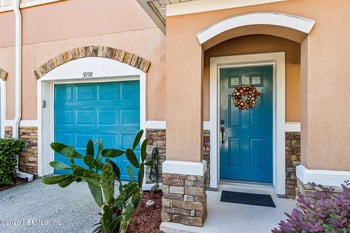
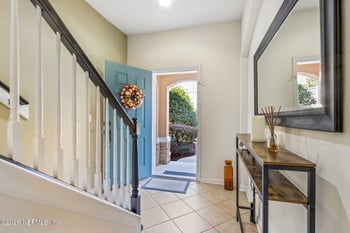


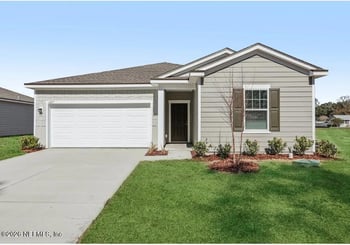
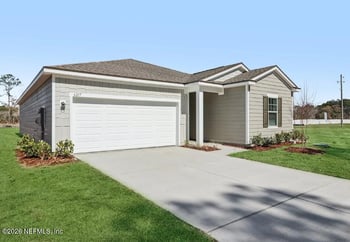
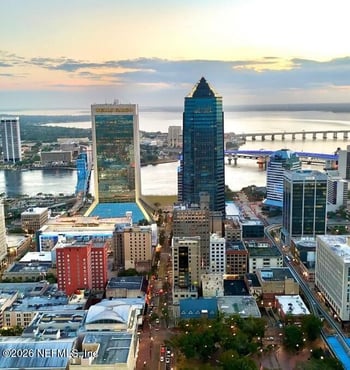

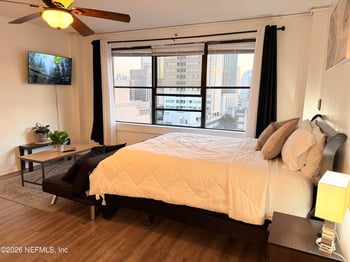
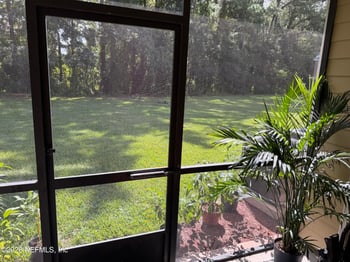
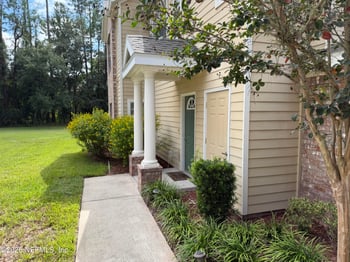
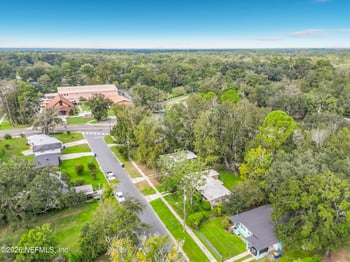
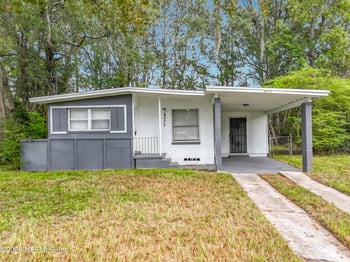
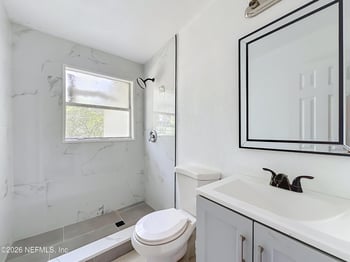
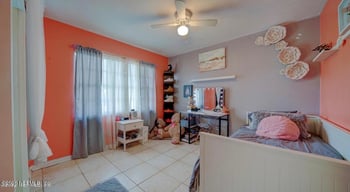
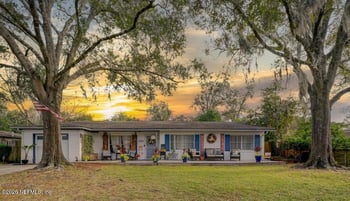

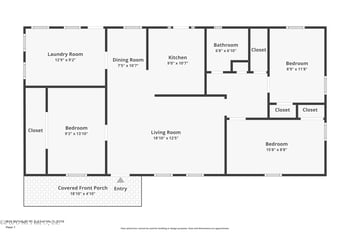
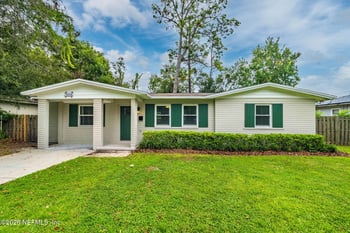
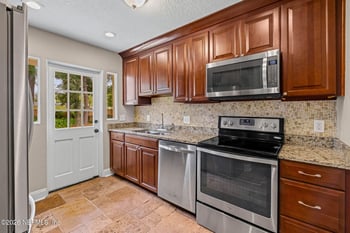
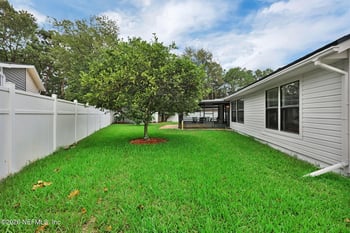
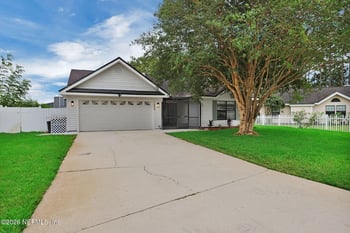
Jacksonville FL homes for sale aren’t one vibe, so most homebuyers start by picking a “daily map” first: Riverside and Avondale for historic streets near the core, San Marco for a quick hop over the river, or Southside by St. Johns Town Center if you live off I-295 and want errands to stay simple. Local reality check is route-driven, not hype-driven: sort by I-95 vs I-295, then decide whether JTB feels like your lifeline to the beaches or a commute you’d rather avoid on a workday.
If the listings feel all over the place, that’s normal—daily life really does change by side of town. The fastest way to narrow is choosing the side you’ll spend most weekdays, then filtering by bedrooms and price.
Locals say “the Beaches” or “Orange Park” like they’re Jacksonville, but those can be separate searches. If you expected Atlantic Beach, Neptune Beach, or Jacksonville Beach listings and don’t see them, it’s usually a boundary issue—not a shortage of homes.
Daily life is shaped more by the routes you drive than by the neighborhood name. I-295 and J. Turner Butler Blvd (JTB) matter, and so do bridge crossings — Buckman, Hart, Mathews, Acosta, and Dames Point — depending on where you live and where you go most days.
The cleanest shortcut is choosing a “home base” side — Urban Core, Southside, Mandarin, Arlington, Westside, or Northside — based on where you actually work, run errands, and spend weekends. The grid makes more sense once that decision is made.
Close-in areas tend to show more older homes and more variation house-to-house. Farther out often means more predictable subdivisions, more HOA rules, and more driving for everyday errands. “Near water” can mean river, intracoastal, or beachside — and those are three different lifestyles.
In Duval, choice and magnet options can make more neighborhoods workable than buyers assume. Even if you’re not chasing rankings, school options still affect day-to-day logistics and resale expectations—especially for locals moving across town.
If your schedule ties to Mayo Clinic (San Pablo area), NAS Jacksonville, or port-related work tied to JAXPORT, start on the side of town that matches those drives. Jacksonville is big enough that “close to work” changes how your whole week feels.
It doesn’t. Two listings can both say “Southside” and live very different lives. It might mean closer-in convenience near St. Johns Town Center, or a quieter, more established feel deeper into areas like Baymeadows or Deerwood. Use the address and nearby main roads before you decide it’s “the one.”
Close-in neighborhoods can be worth it — but older homes come with real homework. Buyer-protective move: ask early what your insurer will want to see. Some companies request a “4-point” style report on electrical, plumbing, roof, and HVAC before they’ll quote.
River, intracoastal, and beachside homes each come with different realities. Before you schedule tours, check the evacuation zone and flood map context, and get an insurance quote early if water is part of the picture.
HOA and deed restrictions can affect fences, parking, rentals, and boats. Ask for the rules early—before you’re emotionally committed. And if you’re close to downtown, big event weekends can change traffic and parking patterns near the stadium area, especially during major events and ongoing construction.
If the homes in the listings above look like they belong to totally different cities, you’re not imagining it. Jacksonville is less of a single metro and more of a collection of directions. Whether you lean east toward the salt air or south toward the established, oak-lined parts of town, that first choice usually dictates how your daily life will settle.
The quickest way to narrow your search is to figure out where you’ll spend your Tuesday mornings. In a city this spread out, things don’t naturally cluster together unless you choose for them to. Once you pick a “home base” side of the river, the listings start feeling like a lifestyle you can actually maintain.
Most moves here are just chapters. We see people start west for the space, then drift closer-in when they get tired of the drive, or head to the Beaches once they realize they’ll actually use the water after work. None of that is a wrong move—it’s just about matching the side of town to the chapter you’re in right now.
In Jacksonville, “miles” can be a pretty useless measurement. You can live five miles from work and hate the drive, or live fifteen miles away and feel fine. What shapes your day isn’t distance—it’s the river and the specific routes you use to get around.
Locals talk about timing as much as location. When your work, school, and errands stay on the same side of the river, Jacksonville feels easy. When they don’t, you start planning your week around bridge crossings and peak traffic. The goal is simple: pick an area where your most common drive feels normal, not like a daily fight.
Crossing the river isn’t “bad”—it just needs to be a choice you’re comfortable making often.
A lot of buyer regret here isn’t the house—it’s the route. Before you get attached, look at the drive you’ll do most often and ask one honest question: Am I usually driving with everyone else? If your normal schedule puts you on the same choke points as school pickup and late-afternoon traffic, you’ll feel it fast. If your route stays simpler—especially toward the Southside medical area, NAS Jacksonville, or the Northside logistics side of town—you’ve probably picked the right “home base.”
Do the drive once at 5:00 PM on a rainy weekday. If it still feels okay then, it’ll probably feel okay long-term.
In Jacksonville, “near the water” covers a lot of ground. River living doesn’t feel like beach living, and neither feels like having real boating access on the Intracoastal. The version you pick changes your weekends, your errands, and the kind of maintenance you’ll actually tolerate.
Once you decide whether you’re a sunset-and-view person, a boat-ramp regular, or someone who wants the sand close enough to use on a normal week, the map gets a whole lot smaller.
In Jacksonville, schools don’t just influence where you buy — they quietly decide how your mornings and afternoons feel. Once you’re doing drop-off, pickup, and activities, your “easy” side of town gets pretty clear.
The default path is the neighborhood school, but Duval also has magnet and choice options that can open up neighborhoods buyers rule out too early. It’s a real tool — as long as you’re honest about the drive. A great setup on paper can turn into daily stress if it requires a bridge crossing twice a day.
Keep it simple and predictable: confirm the zoning, then sanity-check the real route you’ll drive most often.
This is how a lot of locals expand their search radius without leaving the city — but you have to watch the calendar and do the account setup early.
Before you fall in love with a kitchen, ask: “What’s our plan if we close after the choice window?” In Jacksonville, the best school setup is the one you’ll still do willingly on a rainy weekday when traffic is annoying. If the route already feels like a chore during your tour week, it won’t magically feel easier later.
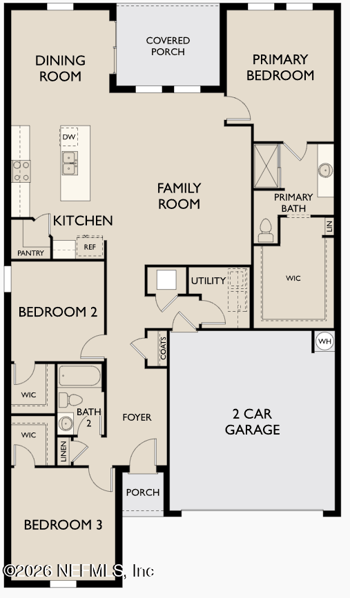
Jacksonville homes can look identical in a listing, but they live very differently once you get into the fine print. Before you fall in love with a floor plan, run these checks. It’s about knowing what you’re actually "subscribing" to.
Jacksonville rewards people who think in "daily life" instead of just square footage. Because the city is so spread out, even locals get caught by a few repeat surprises—mostly because the fine print changes the second you cross a bridge or a county line.
One of the first things you'll notice is that "five miles away" doesn't mean anything here. A short drive that crosses the river can feel twice as long as a fifteen-mile run that stays on your side. If your life revolves around the Buckman Bridge or the downtown crossings, you aren't just buying a house—you're joining a commute.
A Neighbor's Tip: With the stadium renovations running through 2028, the Hart Bridge and the surrounding surface roads are going to feel different for a while. If you’re looking at Arlington or the Northside, do a "stress test" drive during a sticky afternoon thunderstorm. That’s when the city shows you its true pace.
In most listings, "Southside" is used as a catch-all. For some, it’s the high-energy pulse around St. Johns Town Center. For others, it’s the wooded, quiet streets of Mandarin or the medical hubs near Mayo Clinic. They share a name, but they are completely different daily routines. When you see "Southside" on a listing, always ask what it’s actually near (San Pablo? Baymeadows? JTB?). It’ll save you a dozen wasted tours.
River life, Intracoastal life, and Beach life are three distinct lifestyles. The River is about views and staying tied to the city core. The Intracoastal—locally called "the ditch"—is for people who actually use their boats every Saturday. Beachside living is a sand-in-the-floorboards routine that often involves never crossing the bridge unless you have to. If you’re trying to split the difference, the San Pablo Road corridor is usually where people land when they want the coast nearby without the "vacation-mode" traffic.
In 2026, insurance and taxes aren't last-week details. If you’re looking at a home over $400k near the coast, new flood mandates might apply even in "low-risk" zones. Similarly, never budget based on the seller’s current tax bill. Their "Save Our Homes" cap is about to disappear, and your new bill will reset based on the purchase price. Use the Duval County Tax Estimator early so your "all-in" monthly number is real.
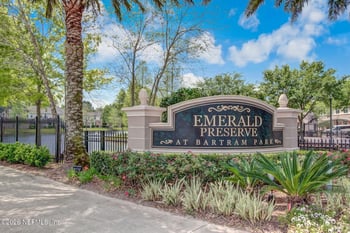
In newer growth areas like Oakleaf or Bartram Park, the surprises are usually the rules and the CDD fees. A CDD is essentially a "subscription" for the neighborhood's infrastructure that shows up on your tax bill. Before you get emotionally attached to a house, skim the HOA docs for the "hot buttons"—parking rules, fence colors, and whether you can park your boat in the driveway. It’s better to know the rules of the club before you pay the dues.
Jacksonville is a great place to settle, but it rewards the thorough. If a home "works on paper" but feels like a chore during your weekday test drive, it’ll stay a chore after closing. The goal is to find the spot that makes your normal week feel easy.
Jacksonville is massive enough that finding a house you like isn’t the hard part—it’s finding the daily routine that you won't want to change in two years. If you pick the part of town that matches your Tuesday morning flow first, the listings make sense a lot faster. Use this as a mental map to self-sort before you start chasing homes that look great online but land wrong in real life.
The Local Reality: Because these homes have been here for a century, the "personality" extends to the infrastructure. Treat your insurance planning and plumbing inspections as part of your early search—not a last-minute surprise.
The Local Reality: "Southside" is a broad label. You’ll want to check if you’re closer to the medical hubs of Gate Parkway or the wooded quiet of San Jose Blvd, as that five-mile difference completely changes your afternoon drive.
The Local Reality: The salt air is a constant neighbor here. It’s a beautiful place to live, but factor in the shorter maintenance cycles for things like HVAC units and exterior paint.
The Local Reality: These areas reward the "rainy Tuesday" drive test. If the route feels easy during a typical afternoon downpour, you’ve found a location that will work for you for years.
Ready to tighten the search? Use the Map Search to zoom into a specific pocket. The goal isn't just to find a house that looks good—it's to find the one that makes your real life feel easy.