New - 1 Day Ago


$535,000
Active
2
Beds
2
Baths
1530
Sqft
0.15
Acres
218 Kenan St, St Augustine Beach, FL 32080
MLS#: 2164883
St Augustine Beach FL homes for sale reflect a clear shift in pace from the rest of St. Johns County, where daily life tends to revolve around tides, weather, and what’s happening along the shoreline rather than schedules and traffic. Located on Anastasia Island just south of historic St. Augustine, the city is shaped by the Atlantic Ocean on one side and the Salt Run on the other, with most local movement flowing along A1A Beach Blvd, where surf shops, neighborhood coffee spots, and casual taco stands replace mainland big-box retail. Living here often means trading the steady crowds of St. George Street for morning beach walks, quieter residential streets, and evenings shaped by sunsets instead of plans, with golf carts a familiar sight alongside cars. While the Bridge of Lions keeps downtown dining, events, and history within easy reach, many residents find that everyday life stays comfortably rooted on the island. It appeals to buyers looking for a genuinely lived-in coastal town that feels calm, walkable, and unforced. Scroll below to view current St. Augustine Beach listings.


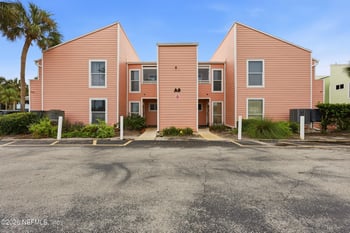


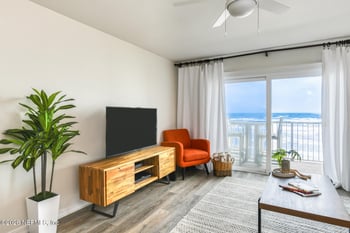


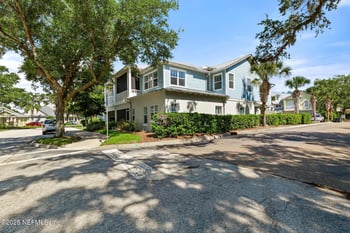


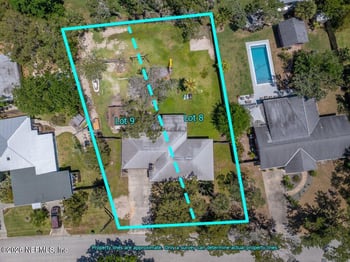


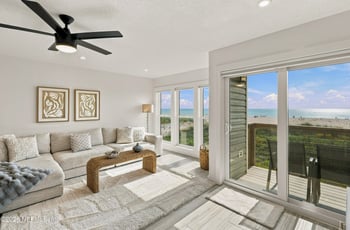
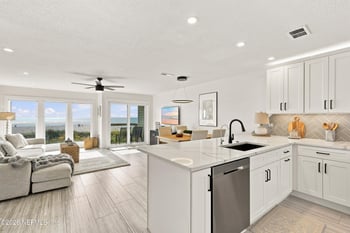


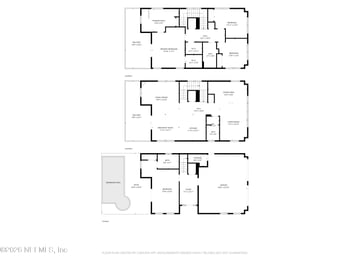
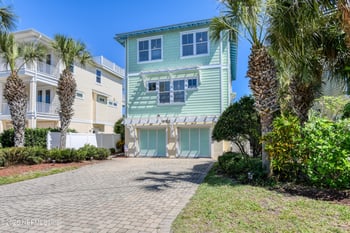
Locals treat A1A Beach Blvd as the dividing line. East of the boulevard is high-energy and vacation-focused; west of it is where the quiet residential neighborhoods settle in. Knowing which side of the "Boulevard" you fit into is the first step.
Beach access isn't uniform. Some streets (like A Street) are vehicle ramps where trucks line up for surf access. Others are pedestrian-only walkovers. Buyers usually decide early if they want the convenience of driving onto the sand or the quiet of a car-free zone.
"Coastal rules" here mean Sea Turtle codes. From May to October, beachfront lighting is strictly regulated. It’s a quirk of ownership that influences window tints, outdoor fixtures, and evening routines near the dunes.
This is critical: The island is a patchwork of zoning. Some streets allow nightly AirBnBs; others restrict rentals to 30 days minimum. You cannot tell by looking at the house. You must verify the zone, or you might end up living next to a rotating hotel.
This area suits buyers who want the ocean to be a Tuesday evening habit, not just a Saturday event. The culture prioritizes surf checks, sunrise walks, and using the sand as a backyard.
Residents often embrace the "Island Bubble," rarely crossing the Bridge of Lions into town unless necessary. It fits those who are happy having everything they need—grocery, hardware, dining—within a 3-mile strip.
While lively, the beach shuts down earlier than downtown. Buyers looking for dense nightlife or walkability to diverse entertainment often find the island pace a little too repetitive.
Homes right next to public walkovers or ramps see heavy foot traffic and parking overflow. Locals often prefer being two blocks back—close enough to walk, but far enough to avoid the weekend crowds on their lawn.
The housing stock is a mix of 1950s concrete block cottages (ground level) and modern multi-story builds. Understanding the flood insurance difference between "slab on grade" and "elevated" is critical here.
Buyers often overlook the Salt Run side of the island. It lacks waves, but offers kayaking, paddleboarding, and protection from Nor'easters that the oceanfront homes don't get.
St. Augustine Beach is less about “being at the beach” and more about having the beach folded into normal life.
On a typical morning, the pace is set by locals: people walking dogs toward the Pier area, surfers checking the break near the A Street access before work, and neighbors lingering at mailboxes while the breeze comes off the Atlantic. Visitor traffic can fill public lots by late morning on Saturdays, but it tends to cluster near the obvious access points instead of defining every street.
If you’re a few blocks off A1A Beach Blvd (A1A), the day can feel surprisingly residential—porch lights on at dusk, bikes rolling home, and that quiet moment when the sand traffic fades out.
Access vs. Proximity: What shapes routines here isn’t just being “close,” but how you get to the water.
The local version of “weekend plans” is repetitive in a good way. It’s the small anchors that stick: a Saturday morning stop at the St. Augustine Amphitheatre Farmers Market under the oaks, errands on the island, and delaying a run into downtown until traffic calms down—especially during peak visitor seasons when the Bridge of Lions and historic core can get heavily managed for congestion. When residents do need a practical cut-over, many default to SR 312 as the straightforward connector.
And “coastal rules” here aren’t abstract. During sea turtle nesting season (May 1–Oct 31), gate hours and lighting expectations become part of ownership—something that affects outdoor fixtures and evening habits near the dunes more than it affects day-to-day comfort.
Over time, that’s what the island delivers: a self-contained, routine-friendly beach town that works on a Tuesday, with just enough activity nearby to keep it from feeling isolated.
Beach access in St. Augustine Beach is practical and a little opinionated—people quickly develop “their” spot and stick with it.
The St. Johns County Ocean Pier Park (at 350 A1A Beach Blvd) is the obvious hub because it has real amenities—showers, restrooms, the splash pad, and a big public lot. It’s the default for easy beach days without planning. But locals learn the difference between “easy access” and making your street part of everyone else’s Saturday. If you live near the most convenient public lots, you feel the overflow first.
The other big divider is whether you want drive-on beach access or a quieter routine. St. Johns County’s drive-on points—A Street Ramp and Ocean Trace Road—shape the vibe nearby in a way maps don’t show.
If you do drive on, the county rules are straightforward, and enforcement is real.
You must stay in the designated driving lanes marked by cones and keep it slow (the limit is strictly 10 MPH). The little etiquette rules matter too: no saving spaces with chairs, and parking only on the correct side of the lane to maximize room.
Then there’s Sea Turtle Season (May 1 – Oct 31). During these months, nighttime vehicular access shuts down and the gates follow stricter hours (county-managed gates close at 7:30 p.m. and reopen at 8:00 a.m.). The A Street vehicular gate can also close earlier than other ramps, so locals plan evening beach time around which access point they’re using.
In St. Augustine Beach, “close to the ocean” isn’t just a distance—it’s a set of trade-offs you’ll feel the first weekend you live here.
The first reality is that A1A Beach Blvd (A1A) acts as a functional divider.
The second reality is that the most walkable streets are rarely the most peaceful ones.
There are dune walkovers at spots like 6th Street and 10th Street. They make daily beach walks easy, but they also act like magnets. Being right next to a popular walkover can mean a steady trickle of coolers, carts, and day-trippers using your curb as overflow parking.
The Local Strategy: Many long-time residents quietly aim for the “sweet spot”—close enough to walk over without thinking, but a couple blocks back so the street still feels like a neighborhood when the day winds down.
If you’re judging listings from a map, don’t just ask “How close is it?” Ask: “Which access point would the public use?” That small distinction separates the homes that feel easy to live in from the ones that feel like you’re sharing your front yard with the whole shoreline.
What makes St. Augustine Beach feel livable is that most weeks run on a handful of go-to places—simple stops that make weekends feel easy instead of complicated.
For a lot of people, the weekly reset is the St. Augustine Amphitheatre Farmers Market—the one locals describe as “under the oaks.” It’s not a special-occasion outing; it’s where you grab produce, coffee, and bump into the same faces year-round.
After that, most residents keep errands close: a quick swing through Anastasia Plaza on A1A Beach Blvd, then back toward the neighborhoods. That “stay on the island” habit is a real part of how people avoid turning a basic Saturday errand run into a traffic project.
Outdoors, the place that keeps showing up is Anastasia State Park. Locals use it less like a tourist destination and more like a dependable option when the public lots feel crowded.
This is the part newcomers don’t realize at first: many residents plan their days specifically to avoid crossing into downtown during peak visitor hours.
It’s not anti-town—it’s just practical. If you can handle groceries, coffee, and a walk without leaving Anastasia Island, you usually do. When locals do head off-island, they time it on purpose rather than treating the Bridge of Lions like a default route.
Real estate here isn’t one “look”—you’ll see mid-century concrete block cottages sitting right next to newer elevated coastal homes, and that contrast is a big part of island life.
In this environment, the details in the inspection report matter more than the marketing photos. Most buyers end up choosing between two practical realities:
The real difference isn’t just “new vs. old”—it’s how the house handles salt air and coastal rain. A home with impact-rated openings and corrosion-resistant hardware is a completely different ownership experience than a house that’s slowly getting chewed up by the beach environment.
Before you fall in love with a street, verify the rental rules.
In St. Augustine Beach, transient rentals are not a blanket “everywhere” thing—allowance depends on the land use/zoning and the city’s licensing rules. In many residential areas, short stays aren’t permitted the way buyers assume. Condos and HOAs can be even stricter, so it’s worth checking both the city’s rules and the association documents before you commit.
If you’re relocating, judge a listing by a “Tuesday reality,” not a “Saturday vacation.” The homes that feel easiest to live in are the ones that handle the small coastal realities without turning everything into a project.
In St. Augustine Beach, two things shape long-term comfort more than most buyers expect: school zoning and what the city actually allows on your street.
St. Augustine Beach sits inside the St. Johns County School District, a top-tier draw for relocating families. However, the most critical due-diligence step is confirming the specific attendance zone for a property before making an offer.
St. Augustine Beach is its own municipality, and that local control is visible every day. Residents enjoy a level of responsiveness that feels closer to a small town than a major county:
The "Transient Rental" Rule
In St. Augustine Beach, short-term rentals are restricted. Generally, they are only permitted in areas zoned Commercial or Medium-Density Residential (which has a city-wide cap). This is the "hidden" variable that determines if the house next door is a long-term neighbor or a rotating weekend vacation rental.
The takeaway is simple: confirm the school zone and the city's rental allowance before falling in love with the kitchen. It’s the only way to judge a property with full confidence.
Living in St. Augustine Beach is rewarding, but ownership here comes with a few non-negotiables that are easier to handle when you understand them up front.
Salt is a constant presence on Anastasia Island. It doesn't just stay at the shoreline; it drifts several blocks inland, affecting everything it touches.
Flood zones are part of the conversation, but the FEMA map label (Zone AE vs. Zone X) matters less than how the home was built to handle water.
Storms are part of life in coastal Florida. The homes that feel easiest to live in are those where "prep" isn't a weekend-long project.
Look for properties with impact-rated glass or easy-to-deploy shutter systems. Being able to secure the house in an hour rather than a day changes your relationship with hurricane season—it turns a potential crisis into a standard seasonal routine.
The Upside: When a home is set up correctly, daily life feels relaxed, not fragile. You aren't tip-toeing around the environment; you're working with it, just like the locals who have been here for forty years.
Choosing between these coastal pockets isn’t about the sand—it’s about how much friction you’re willing to tolerate during a Tuesday grocery run and what you get in return on a Friday night.
St. Augustine Beach fits buyers who want a self-contained setup. Between Pier Park, the stretch of everyday services along A1A Beach Blvd, and errands at Anastasia Plaza (where the Publix sits), most routines stay on the island. Nobody wants a simple errand turning into a traffic project—but that’s the trade-off for being able to walk to the Pier for the midweek farmers market or grab a casual dinner nearby without ever touching your car.
Vilano is the closest beach to downtown. That proximity can feel more like a corridor at times, with more pass-through movement—but it’s also the only place where you can watch the sunset from your deck and be downtown for dinner shortly after without planning your whole evening around traffic.
Head south and the tone changes. Crescent Beach and nearby Butler Beach feel less hub-based and more open. You’ll do a bit more planning for errands—but that’s exactly why nights feel darker, the stars show up, and the beach can feel like your own stretch of sand even in peak season.
The goal isn’t to find a perfect, maintenance-free place—that doesn’t exist on the coast. The goal is choosing the kind of beach life that makes the trade-offs feel like a small price to pay for the evenings and weekends you’re moving here to enjoy.
Yes. Unlike "resort only" towns, St. Augustine Beach has a stable, year-round population. While A1A Beach Blvd gets busy in July, the residential streets west of the boulevard maintain a quiet, neighborhood feel. Most locals rarely leave the island for daily needs, as the Anastasia Plaza hub provides everything from groceries to hardware.
Most residents avoid the Bridge of Lions on weekends to bypass tourist traffic. For mainland access, locals typically use the SR-312 Bridge, which is a more direct and less congested route to the medical centers and big-box shopping on US-1.
No. The City of St. Augustine Beach has strict "Transient Rental" zones. Short-term stays are generally limited to Commercial or Medium-Density zones and often require a city-issued license. Many residential "avenues" are strictly 30-day minimums, so verifying the specific address's land use is a critical due-diligence step.
Corrosion from salt air. It’s the "silent tax" of coastal living. Locals look for impact-rated glass and stainless steel hardware. A pro-tip used by long-time residents is to fresh-water rinse your HVAC condenser coils monthly to prevent the salt from eating through the aluminum fins.
The area is served by the St. Johns County School District, primarily R.B. Hunt Elementary. However, because these schools are highly rated, they often face enrollment caps. Even if a home is in the zone, you must verify seat availability with the district, as new students may occasionally be overflowed to nearby schools.
Yes. The A Street Ramp is often the first to reach capacity and can be the most congested. Ocean Trace is slightly further south and can sometimes offer a less frantic entry point, though both require 4WD depending on the soft sand conditions and tides.