


$335,000
Active
4
Beds
2
Baths
2082
Sqft
2.31
Acres
1776 Tustenuggee Ct, Bryceville, FL 32009
MLS#: 2168752
Bryceville real estate centers on wide-acreage properties and quiet rural homes along CR 121, Otis Road, and the pine-filled stretches leading toward US-301. Most Bryceville homes for sale sit on large parcels with room for workshops, garden plots, and agricultural use, giving the area its open-country character while still keeping Callahan, Baldwin, and West Jacksonville within easy reach. Afternoons move slowly here—farm trucks easing down the two-lane roads, neighbors tending animals, and the steady hush of wind moving through the longleaf pines. Scroll below to see current listings and get a sense of what everyday rural life looks like in Bryceville.


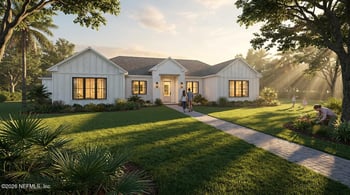
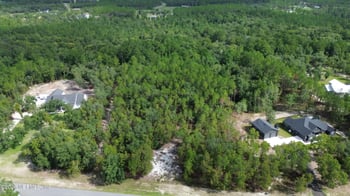
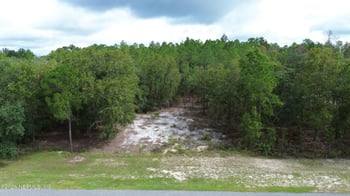
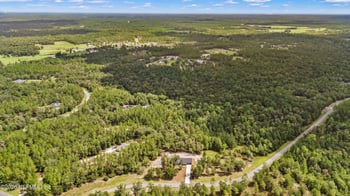
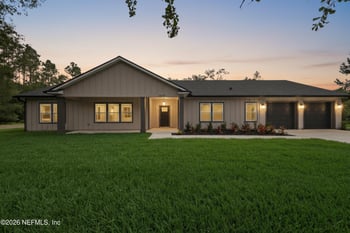
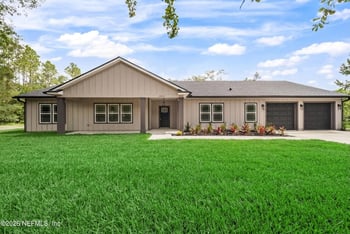
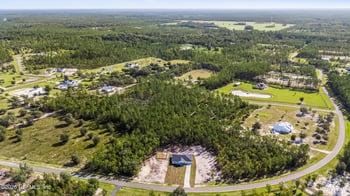
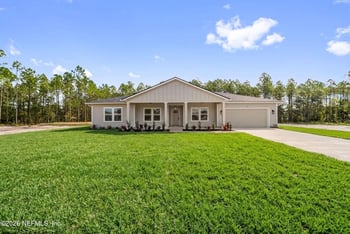
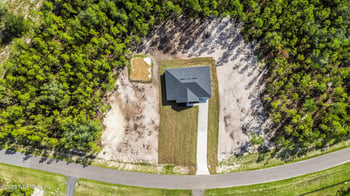
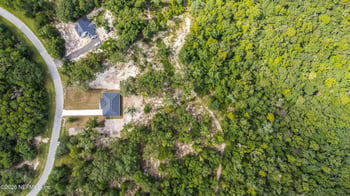
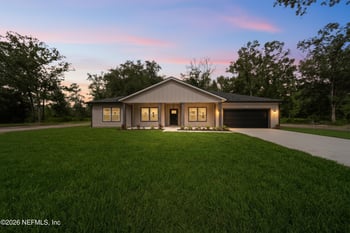
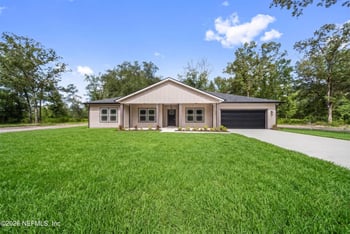
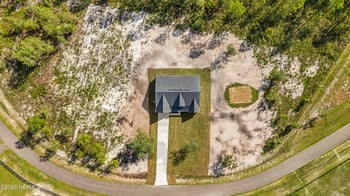
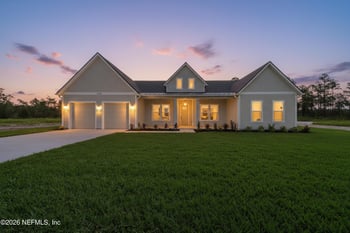
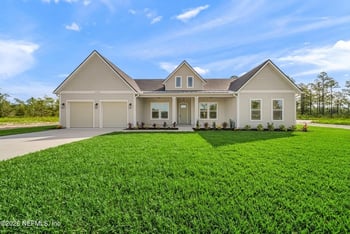


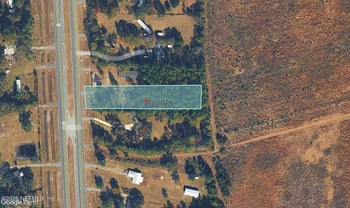


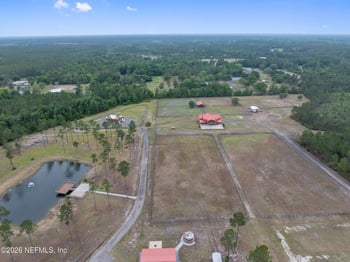
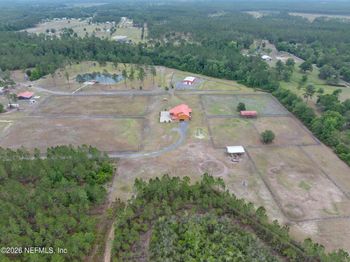


Unincorporated rural Nassau County community between Callahan and Baldwin, centered along CR 121, US-301, and Otis Road, with large wooded and pasture parcels.
Acreage tracts (1–20+ acres), single-family homes, manufactured homes, scattered custom builds, and agricultural-use parcels with outbuildings and fenced pasture.
Mix of paved county roads, hard-packed dirt corridors, and shaded timber stretches. Driveway culverts vary widely—erosion and washouts are common inspection items.
Nearly all homes use private wells, septic, and propane. Internet availability varies by exact road—fiber in pockets, cable in a few clusters, fixed wireless and Starlink elsewhere.
Deer, turkeys, seasonal hog movement, foxes, and periodic black-bear movement in deep timber stretches. Controlled forestry burns and seasonal smoke drift are normal.
Car-dependent living, long drive times for groceries and medical care, darker nights, generator use during storms, and regular land maintenance on larger tracts.
Rural routines shape daily life—quiet roads, land work, wildlife, and long drives for errands define the pace here.
Bryceville offers a distinctly inland North Florida lifestyle: long, quiet stretches of mixed-surface roads, deep tree canopy in timber-adjacent segments, and large open parcels where wind, shade, drainage, and soil type shape everyday routines. Nights are fully dark except near 301, and morning fog often hangs across low pasture edges. Most days follow a land-first rhythm—checking fences, clearing limbs after storms, maintaining culverts, or riding the property with a mower or small tractor. Grocery runs, medical visits, and school routines all involve real drive time, so residents build weekly patterns around distance rather than convenience.
Because parcels vary heavily by elevation, soil makeup, and drainage history, buyers often compare sandy upland ridges—quick drying, good percolation—to clay-heavy pockets along timber lines that hold water longer and require larger drain fields. These environmental differences heavily influence maintenance costs and the suitability of outbuildings, RV pads, and future splits.
Most errands sit 20–30 minutes away—Callahan, West Jacksonville, and Baldwin handle groceries, gas, schools, and urgent care needs.
Bryceville is not a commuter suburb—it's a rural corridor where distance is part of the lifestyle. Groceries, fuel, and medical care concentrate around Callahan and West Jacksonville, while school zoning typically routes K–5 students to Bryceville Elementary and older grades toward Callahan-area schools. Bus routes along deeper dirt stretches run long distances and often require parents to meet the bus at the main paved corridors. Fire and EMS response depends on road surface and distance from Station 60 and supporting units near Callahan; many buyers check routing times before purchasing.
Acreage, manufactured homes, scattered custom builds, AG-use parcels, and timber-edge tracts dominate the housing landscape.
Most Bryceville properties fall into four broad categories: wooded acreage tracts along shaded timber stretches, open pasture parcels with fencing and barns, manufactured homes on 1–10 acre lots, and occasional custom builds created from splits along CR 121 or Otis Road. Even the small platted communities maintain a rural layout—wide lots, gravel drives, minimal architectural conformity, and land-first orientation. Buyers often evaluate whether parcels qualify for agricultural exemptions and what fencing configurations work best for horses, goats, or cattle.
Private wells, septic systems, propane, and varied internet options define utility life—each requires address-level verification.
Nearly all homes rely on private wells and septic systems. Drain-field size and soil type matter significantly—upland sandy areas perc well, while clay-heavy pockets near timber edges may need larger systems. Many buyers order independent inspections (water quality, pump condition, tank age, and drain-field performance) and expect costs in the few-hundred-dollar range per service. Internet and cell coverage vary by exact parcel; pockets near US-301 may have cable or fiber, but fixed wireless and Starlink cover much of the rest. Power outages affect well pumps, so generators remain common. Trash service is private, propane delivery is common, and rural mailbox placement often requires address verification with USPS due to inconsistent map population.
Expect deer, turkeys, seasonal hogs, occasional timber-edge bear movement, and typical inland storm behavior with tree-driven outages.
Bryceville’s wildlife patterns follow the rhythms of timberland stretches and open pasture. Deer and turkeys are daily sightings; hog movement increases in cooler months; foxes travel fence lines; and bears appear only rarely along deeper forest sections. Residents typically fence dog yards and reinforce pasture boundaries depending on nearby livestock. Storm behavior mirrors inland North Florida—wind funnels through pine corridors, older oaks shed limbs, drainage ditches fill quickly, and outages can occur on long feeder lines. Controlled forestry burns create periodic smoke drift but follow established state and timber-company schedules.
Growth is sparse—small parcel splits occur, but most large tracts remain timberland or pasture with low development intensity.
Bryceville is not undergoing suburban-style expansion. Residential change occurs slowly and sporadically through individual parcel splits along CR 121 and Otis Road. Most large-acreage tracts continue as timberland or pasture, with minimal roadside commercial activity and low development intensity compared to Callahan or West Jacksonville. Buyers evaluating resale look at road type (paved vs. dirt), whether parcels can be subdivided, and proximity to major corridors for future flexibility.
More acreage than Callahan, less developed than Baldwin, and quieter than Hilliard—Bryceville is the most land-focused of the inland corridors.
Compared to Callahan, Bryceville has fewer services but more large-acreage parcels and deeper privacy. Compared to Baldwin, Bryceville is quieter with less roadside commercial development. Compared to Hilliard, it feels more timber-adjacent and less grid-like. Buyers comparing the corridors often evaluate commute expectations, parcel-use flexibility, elevation, and soil behavior before choosing the right fit.
Buyers verify utilities, soil, zoning, internet, road maintenance, drainage, and emergency routing before closing.
Yes—Bryceville is known for large parcels, privacy, mixed-surface roads, and flexible AG-use options. Buyers seeking land-first living often choose it over suburban alternatives.
Nearly all properties rely on private wells and septic systems. Soil type influences drain-field size, and buyers typically order independent well and septic inspections before closing.
Internet varies by exact road—some pockets have fiber or cable, while many rely on fixed wireless or Starlink. Coverage should always be verified by address.
Deer, turkeys, hogs, foxes, and occasional seasonal bear movement occur along timber-adjacent roads. Fencing is common for pets and livestock protection.
Most errands sit 20–30 minutes away in Callahan or West Jacksonville. Urgent care and primary care cluster along US-301 and the west-side corridors.
Most upland parcels drain well, but clay-heavy pockets near timber edges may hold water after storms. Buyers often review FEMA maps and walk the land after rain.