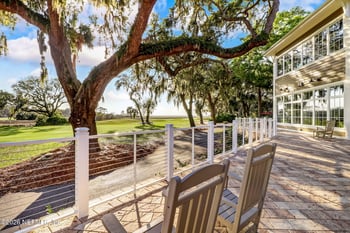
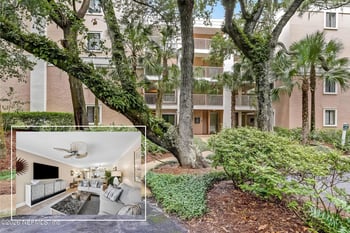
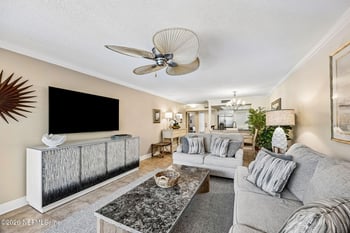
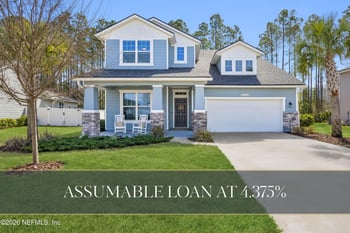
$519,000
Active
2
Beds
2
Baths
1210
Sqft
19.12
Acres
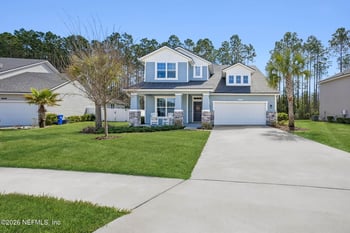
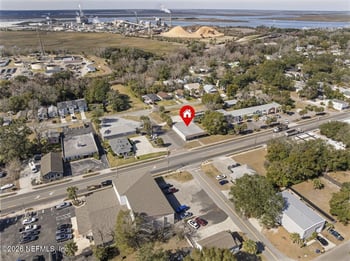
2117 Beach Wood Rd #2117, Fernandina Beach, FL 32034
MLS#: 2141119
Fernandina Beach homes for sale attract buyers who want a blend of island living, historic charm, and easy access to beaches stretching from Main Beach down to the South Fletcher oceanfront. Fernandina Beach real estate includes downtown historic cottages, north-end coastal homes, Egans Creek neighborhoods, and ocean-view condos set along quiet stretches of Fletcher Avenue. Most days feel relaxed—breezes rolling in from the Atlantic, morning walks beneath the oaks downtown, and evenings settling in as the sky glows over the marsh. It’s a lifestyle shaped by beaches, restaurants, marinas, and the slower rhythm of the north end of Amelia Island, so scroll below to see what’s available.
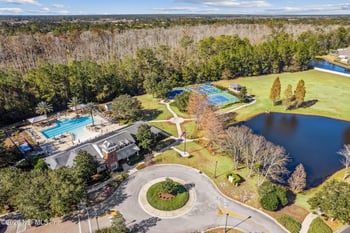
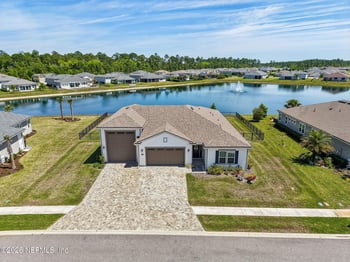
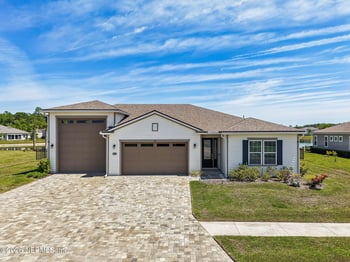
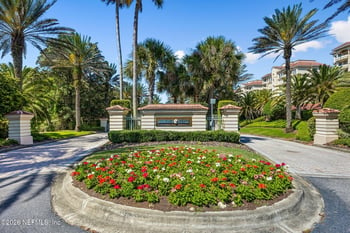
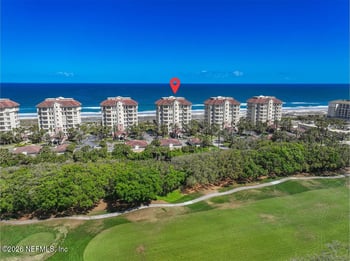
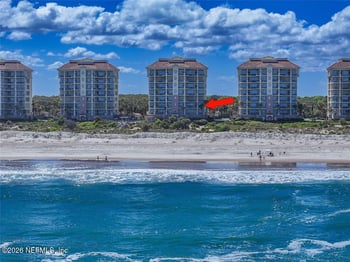
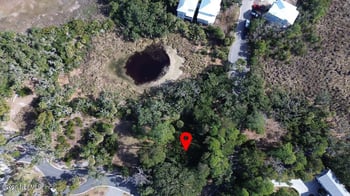
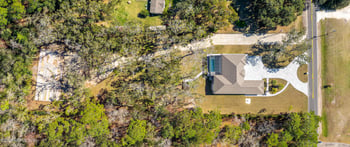
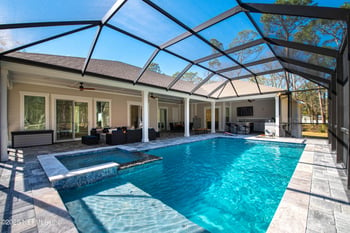
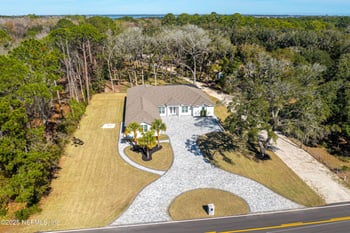
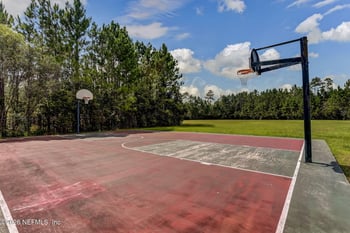
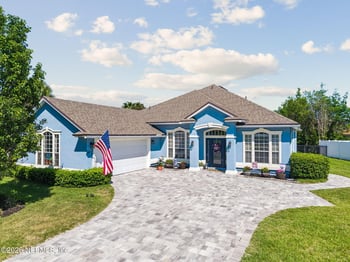

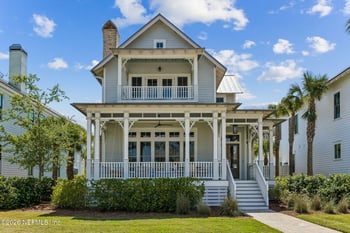


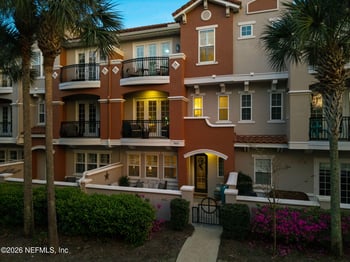

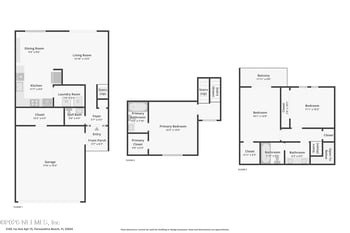
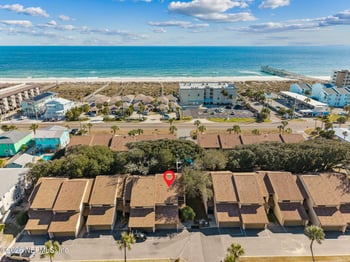


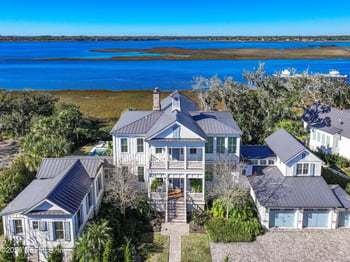


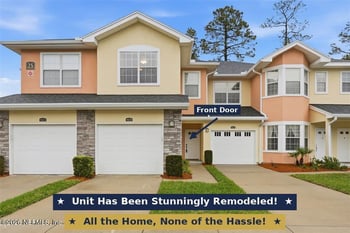

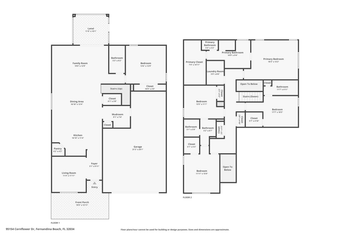



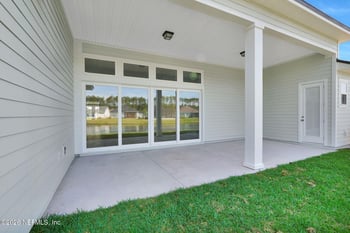
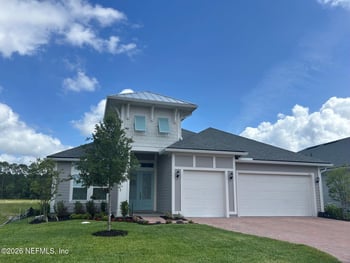


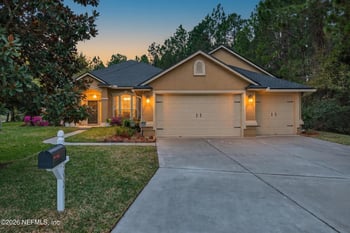

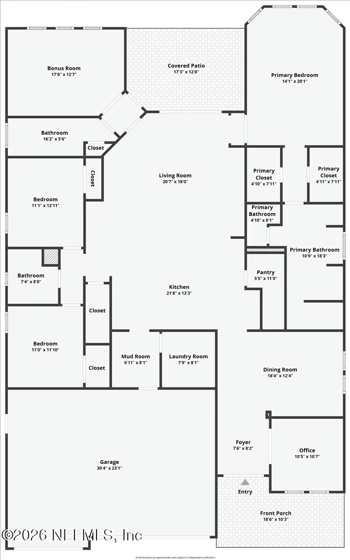
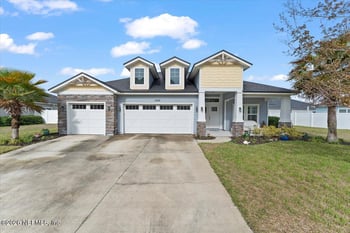

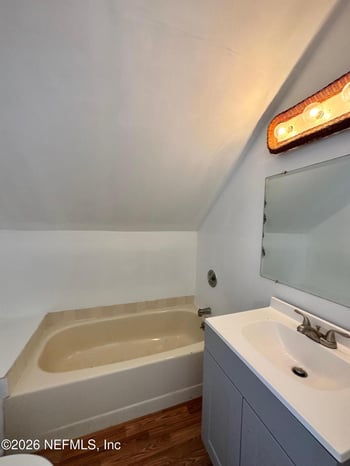
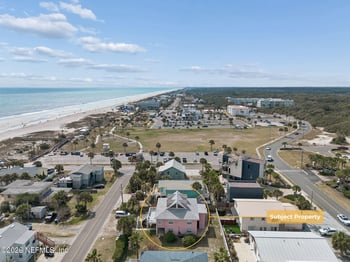
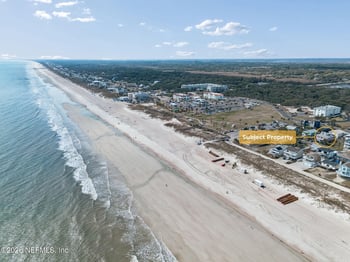
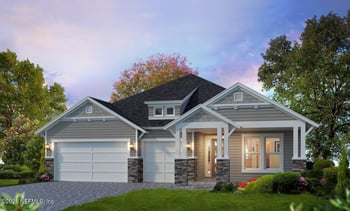
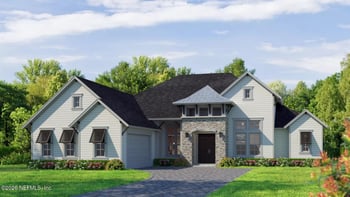
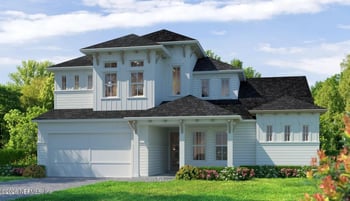
Most mornings in Fernandina Beach start quietly—early beach walkers near Main Beach, coffee on Centre Street before the shops fully open, and locals doing errands before the island wakes up. There’s a rhythm here that reveals itself over time. Weekdays feel calm and residential. Weekends bring visitors, bikes, golf carts, and fuller sidewalks downtown. Longtime residents don’t fight that rhythm—they plan around it.
Living here means knowing when Centre Street feels peaceful and when it’s better enjoyed later, which beach accesses stay quieter, and which routes make the most sense depending on the time of day. It’s not inconvenient. It’s simply island life, and once you settle in, those patterns become second nature.
Fernandina Beach spans the northern half of Amelia Island, and each area carries a distinct personality. Historic Downtown centers around Centre Street, where brick roads, porches, and storefronts create a walkable social core. Old Town sits closer to the river, quieter and more residential, with deeper roots and fewer visitors passing through.
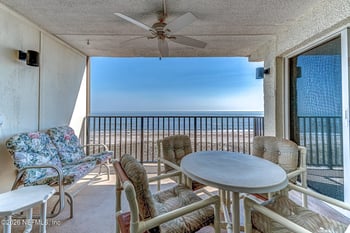
The North End leans more relaxed, with wider beaches, fewer short-term rentals, and quick access to Fort Clinch State Park. Homes near the Egans Creek Greenway trade ocean views for marsh scenery, wildlife, and long stretches of uninterrupted quiet. Along South Fletcher Avenue, oceanfront condos and homes line the beach, where sunrise views and coastal breezes are part of everyday life.
Locals tend to move through the island differently than visitors. Side streets, bikes, and walking paths often replace driving altogether, especially outside peak weekends.
Homes in Fernandina Beach range from historic cottages and coastal bungalows to newer marsh-view builds and oceanfront condos. Downtown homes often feature older construction details—metal roofs, wood siding, deep porches—while North End properties emphasize space, canopy, and lower density.
Ownership here comes with coastal realities, and most residents go into it with clear expectations. Buyers pay close attention to roof age, wind ratings, insurance options, and renovation guidelines—especially within the Historic District. The Historic District Council can add an extra step to exterior changes, but for most homeowners, the process becomes predictable once they understand the guidelines. Many see it as part of what protects the character and long-term value of the area.
As a result, buyers tend to focus on a few practical ownership considerations:
Living near the marsh or ocean also means understanding maintenance as part of normal stewardship. Locals don’t view these realities as drawbacks so much as the trade-offs that keep Fernandina Beach from feeling overbuilt or transient.
Fernandina Beach is not a sealed-off resort town. The port and paper mills are part of its working-town identity, and on certain days—depending on wind and weather—you may notice industrial activity or the faint smell locals jokingly call “the smell of money.” It’s something residents are aware of, but it’s not a constant presence, nor does it define daily life.
Similarly, freight trains still run through parts of town. For some streets, that means an occasional pause at a crossing or distant train sounds at night. Longtime residents tend to see this as background texture rather than a disruption—another reminder that Fernandina Beach is a real town with history, not a manufactured coastal enclave.
Outdoor access here isn’t an amenity—it’s built into daily routines. Main Beach serves as the social hub with boardwalk access, surf breaks, and community events, while quieter beach accesses on the North End offer long, uncrowded shoreline walks. The Egans Creek Greenway winds through the island with miles of trails where residents regularly spot deer, birds, and tidal wildlife.
Weekends often mean bikes along Atlantic Avenue, early-morning surf checks, fishing near the marina, or slow afternoons inside Fort Clinch State Park. For many residents, life here feels naturally outdoorsy without being curated or commercial.
Fernandina Beach families are served by Nassau County schools, including Emma Love Hardee, Southside, and Fernandina Beach Middle and High. School traffic flows predictably along Atlantic Avenue and Citrona Drive, and most daily errands stay within a short drive.
Mainland commuting happens via the Shave Bridge toward A1A and I-95. While Fernandina Beach isn’t ideal for long daily commutes, many remote workers, retirees, and military families value the island lifestyle enough to accept fewer highway conveniences in exchange for calmer surroundings.
Flood considerations vary widely across Fernandina Beach and often change from street to street. Marsh-adjacent areas near Egans Creek and parts of the North End can fall into higher-risk zones, while interior neighborhoods often sit higher. Oceanfront homes bring wind exposure and dune protections into the conversation.
Most residents approach these realities practically rather than emotionally. Over time, local decision-making tends to center on a few consistent habits:
These trade-offs are part of what preserves the island’s character and keeps development measured—something many residents see as a worthwhile exchange.
It depends on the time and location. Weekdays are generally calm and residential, while weekends, festivals, and holidays bring more activity—especially near Centre Street and Main Beach. Most residents adapt by timing errands and using quieter routes.
No. On certain days, depending on wind and weather, some residents notice an industrial odor, but it is not constant and does not define daily life. Longtime locals tend to view it as an occasional part of living in a working coastal town.
Yes. Freight trains still run through parts of town, which can mean brief delays at crossings or distant train sounds at night for certain streets. For most residents, this becomes background noise rather than a regular disruption.
Buying in the Historic District isn’t difficult, but exterior changes are reviewed by the Historic District Council. Most homeowners find the process predictable once they understand the guidelines, and many see it as a way the town protects its character and long-term value.
No. Flood risk varies significantly by street and elevation. Marsh-adjacent and oceanfront properties may fall into higher-risk zones, while many interior neighborhoods do not. Buyers typically review FEMA flood maps for the specific address they’re considering.
Fernandina Beach works best for remote workers, retirees, or those with flexible schedules. Mainland commuting is possible via the Shave Bridge and I-95, but many residents prioritize the island lifestyle over quick highway access.