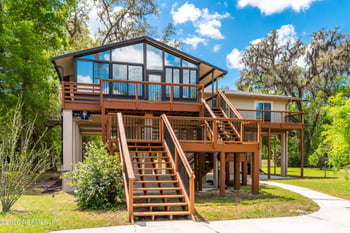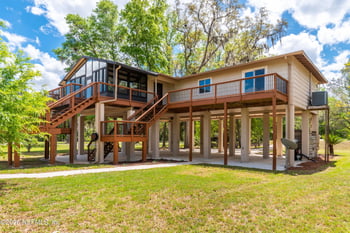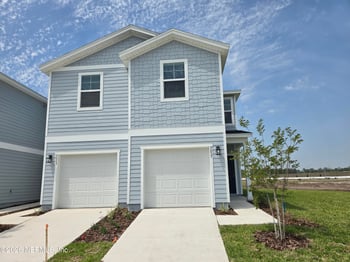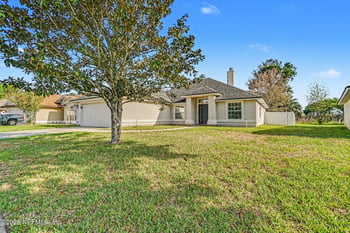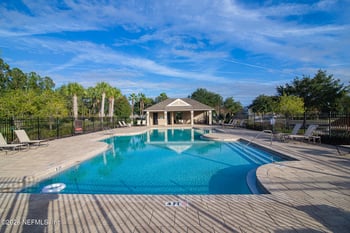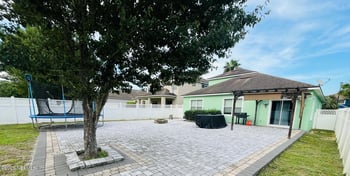
Listings
Market Stats
Popular Searches
Information

Middleburg FL Homes for Sale - Suburban & Rural Living Near Black Creek

Home

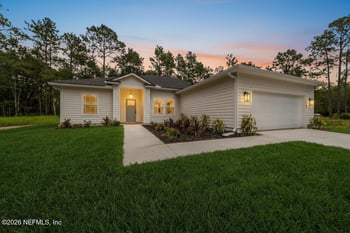
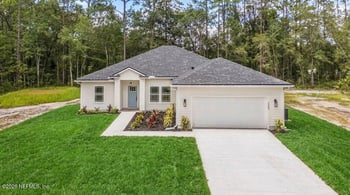
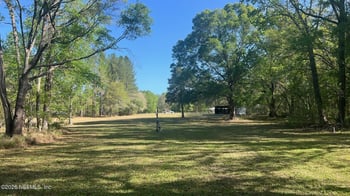
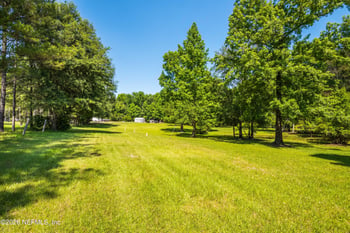
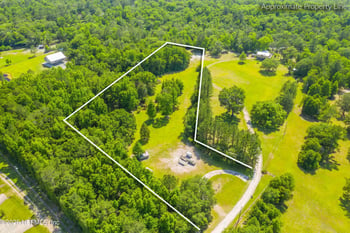
Middleburg homes for sale appeal to buyers who want more breathing room while staying close to the daily routes along Blanding Blvd and County Road 218. Homes for sale in Middleburg sit near wooded corridors, creek-fed pockets around Black Creek, and quiet residential roads where evening routines actually slow down and dog walkers move under the pines. This stretch of Clay County offers larger lots and a calmer rhythm, yet stays connected through RideOut Road and the Branan Field/First Coast Expressway corridor, creating a quiet but close balance that resonates with people craving space without feeling isolated. Middleburg real estate blends privacy, mature trees, and an easy, grounded pace—scroll below to see current listings and get a feel for the neighborhood’s daily flow.

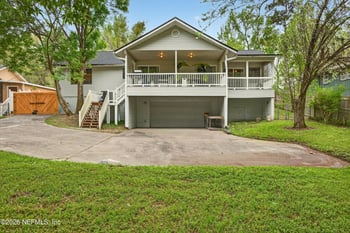
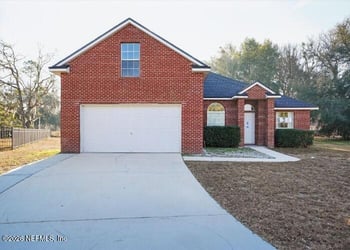
Latest Homes for Sale in Middleburg

518 Properties Found
Sort By:

Current Real Estate Statistics for Homes in Middleburg, FL

518
Homes Listed
46
Avg. Days on Site
$212
Avg. $ / Sq.Ft.
$423,528
Med. List Price

Middleburg, FL Homes for Sale: Quick Things to Know Before You Save Favorites

Middleburg Real Estate Is About “Usable Space”

A lot of Middleburg homes for sale appeal because the home and yard feel workable in real life—storage, parking, and room to breathe—without needing a perfect, staged lifestyle to make sense.

The Drive Decides the Fit

Your week is usually shaped by Blanding Blvd (SR 21). Two listings can be close on a map and still feel far if the route wears on you, so Middleburg real estate is best compared by “how the drive feels,” not just by photos.

SR 23 Can Help, But It’s a Toll Road
First Coast Expressway (SR 23) can make certain Jacksonville-area trips feel cleaner, but it’s not “free convenience.” Decide early whether you’d actually use it weekly, because it changes how Middleburg homes for sale feel day-to-day.

Black Creek Is a Real Lifestyle Feature

When a listing mentions Black Creek, it’s often pointing to a true weekend benefit—water nearby, a more outdoorsy feel, and a different pace once you’re off the main road.

School Confidence Comes From Address Verification

If schools matter for your Middleburg home search, confirm zoning by the exact address before you commit emotionally. OneClay’s official tool makes it simple: Find Your School Zone.

Space Often Comes With “Ownership Details”

Some Middleburg homes for sale include choices that matter long after closing—public water/sewer versus well/septic, drainage behavior after heavy rain, or rules that affect fences, sheds, and parking.

Middleburg Buyer Reality Check: What to Verify Early

Flood-Zone Map and Drainage (Plain English)

If a home is near water or the yard looks low, check the FEMA flood-zone map by address (the public map used for flood-risk screening) and ask how water behaves on the lot after heavy rain.

Roof + Insurance Questions Belong Up Front

In Florida, roof details can shape insurance options quickly. Ask early for roof age, any recent permits, and whether there’s a wind-mitigation inspection report insurers often request.

Public Water/Sewer vs. Well/Septic

Confirm which system the home uses and treat it as an inspection priority, not a footnote. It changes maintenance expectations and what “ownership” feels like over time in Middleburg real estate.

Property Rules That Affect Real Life

If there’s an HOA or deed restrictions, focus on friction points: fences, sheds, boat/RV parking, trailer storage, rentals, and exterior changes. Do not assume “no rules” just because the lot looks open.

Internet: Verify by Address

Do not rely on “the neighborhood has it.” Check the exact address for available providers, especially if you work from home or stream heavily.

Comfort and Safety: Validate the Buyer-Safe Way

Do one evening drive near your favorite homes. Notice lighting, traffic speed, and whether people are out walking dogs or sitting on porches. Pair that with official local resources instead of relying on rumors.

Resale Confidence Comes From Clean Answers

Middleburg homes for sale tend to hold up best when the basics are easy to explain: clear route access, verified schools, understood flood/insurance details, and property use that matches how most buyers live day-to-day.

What “Middleburg” Means When You’re Shopping Homes for Sale

Middleburg is one of those places where the map view doesn’t tell the whole story. In real estate searches, it’s not just “Clay County” on a pin—Middleburg homes for sale tend to live and die by the routes you’ll repeat: Blanding Blvd (State Road 21 / SR 21) for most day-to-day needs, and the nearby connectors that decide whether errands, school runs, and work drives feel simple or feel like a chore.

The feel is practical and outdoorsy without trying to sell itself that way. Listings that mention Black Creek usually aren’t doing it for decoration—water access and nearby trails are a real part of why people consider Middleburg real estate. At the same time, Middleburg often appeals for a quieter kind of “space that works”: yards you can actually use, room for storage, and neighborhoods that feel calmer once you’re off the main road.

The trade-off is straightforward: you can find a home you love here, but you also have to like the week you’ll live inside it. Two homes can be close on a map and still feel very different depending on how quickly you reach SR 21, whether SR 23 fits your commute pattern, and whether the property setup is simple (public water/sewer) or more hands-on (well/septic). This is why the best decisions in Middleburg usually come from comparing the “weekly reality,” not just the listing photos.

So what does that change for your search?
Compare listings by the roads you’ll actually use
When you’re narrowing it down, group your saved favorites by route comfort. A home that’s “technically close” can still feel far if SR 21 is a daily necessity and the timing doesn’t work for your household.
Verify schools by address
If schools are part of your Middleburg home search, don’t guess based on the neighborhood name. Confirm the exact address using Clay County District Schools (OneClay) tools before you get attached: Find Your School Zone.
Do the early “ownership checks” before you pick favorites
If a listing mentions water nearby, sits low, or has a lot that looks like it holds water after rain, treat flood-zone mapping and drainage questions as early steps. Do the same for roof/insurance details, and confirm whether the home is public water/sewer or well/septic so you know what kind of ownership you’re choosing.
A quick comfort check that saves time
Do one evening drive on the roads you’ll rely on and one pass after dark near the homes you’re saving. It’s a simple way to evaluate noise, traffic feel, and overall comfort without relying on assumptions.

Once “Middleburg” is clear as a day-to-day place—not just a pin—the next step is understanding the kinds of homes and setups you’ll keep seeing in listings, and what those patterns usually mean for living there.

The Types of Homes You’ll Keep Seeing in Middleburg Listings (and What Photos Don’t Tell You)

After you browse Middleburg homes for sale for a bit, you start noticing that listings fall into a few familiar “kinds.” In Middleburg real estate, that matters because the kind of listing usually predicts what ownership feels like: how many rules you live with, how much maintenance you personally manage, and whether the neighborhood is built around shared amenities or around having your own space.

This isn’t meant to label homes for the sake of it. It’s here to make your saved favorites easier to compare, so you don’t end up mixing together listings that look similar online but live very differently once you’re actually driving there and living there.

Type 1: Newer planned communities with amenities

If you keep seeing newer builds and uniform streetscapes, you’re likely looking at the planned-community side of Middleburg real estate. These areas can feel simpler day-to-day because the neighborhood is designed to be straightforward—sidewalks, pools, playgrounds, and a more predictable look and feel.

What photos rarely tell you is the ownership structure. Some communities have an HOA, and some also have a CDD (a local taxing district that can help fund roads, drainage, and amenities). It’s not automatically a problem—it’s just something you want clear, in writing, early.

Buyer-friendly question to ask early
“Does this neighborhood have an HOA, and is there a CDD—where can I see the rules and the district details in writing?”
Type 2: Established neighborhoods off SR 21 (the everyday Middleburg feel)

These listings often read as “normal life homes”: mature trees, larger driveways, and layouts built for everyday use. In Middleburg homes for sale, this is also where you’ll see the widest range of condition—some are turnkey, others are solid but dated, and the differences tend to show up in systems more than in photos.

What photos don’t show well is the Florida ownership stuff: roof history, how the yard holds water after heavy rain, and whether the home is public water/sewer or relies on well and septic.

Simple comparison move
When you save listings, label them by system type (public services vs. well/septic) and by lot feel (higher/drier vs. low spots). It makes Middleburg real estate much easier to compare later.
Type 3: Land-forward homes near conservation access

Middleburg real estate isn’t just subdivisions. You’ll also see listings that are clearly about the land: wider lots, longer driveways, room for equipment, and a more rural feel not far from places like Jennings State Forest and Black Creek Ravines. For the right buyer, this is the whole point—space, privacy, and weekends that look like trails, water, and a backyard that isn’t “just decorative.”

What photos don’t show is the practical side of land ownership: drainage after storms, the specifics of well and septic, and whether you’re comfortable with fewer plug-and-play neighborhood services.

Buyer-friendly question to ask early
“After heavy rain, where does water go on this lot—and what have the owners done (if anything) to manage drainage over time?”
Type 4: Homes near Black Creek (lifestyle upside, plus extra diligence)

If you keep seeing “Black Creek” in descriptions, that’s a real signal in Middleburg homes for sale. It can mean water is part of normal weekends, and it can also mean flood-zone awareness matters more than it does a few streets inland.

What photos don’t tell you is how the property handles Florida weather: elevation feel, drainage direction, and whether the lot has low areas that hold water after storms.

A quick reality check that’s worth doing
Pull the flood-zone map by address and do one visit after a rain. In Middleburg real estate, “near the creek” can be a great setup, but you want clarity before you commit.
A simple way to compare your saved favorites

Pick two homes you saved that look similar and compare them on three non-photo details: the route you’ll drive most days (SR 21 and the County Roads you’ll rely on), the ownership structure (HOA and possibly a CDD in newer communities), and the systems and water story (public services versus well/septic, plus flood-zone and drainage clarity). That one comparison usually makes the rest of your Middleburg home search feel much more focused.

If schools are part of your filter, confirm assignment by address early so you’re comparing Middleburg homes for sale with the right assumptions. And if comfort and safety matter (they usually do), one evening drive-by near your favorites is a buyer-safe reality check that photos can’t provide.

Getting Around: The Routes That Decide Your Week

Middleburg can feel surprisingly calm once you’re back in a neighborhood, but the “real” day-to-day still runs through a handful of roads. That’s why location in Middleburg real estate usually comes down to one practical question: how often you’ll be on Blanding (SR 21), and which County Roads you’ll take when you need to get to schools, groceries, and Jacksonville.

You’ll see “CR” on signs a lot here—that just means County Road. If you’re comparing Middleburg homes for sale, don’t treat the drive as an afterthought. The same house can feel perfect or feel exhausting depending on the turns you’ll repeat all week.

SR 21 / Blanding Blvd

This is the road you’ll form opinions about fast. A lot of Middleburg real estate choices end up living or dying by how you feel about SR 21 on a normal weekday, because it’s the main north–south route for errands and school runs.

CR 220 / Doctors Inlet Rd

If your weekly life pulls toward Fleming Island and U.S. 17, CR 220 is one of the big “does this feel easy?” roads. It’s a common connector buyers think about early because it decides which errands you’ll actually do without planning your whole day around them.

CR 218

CR 218 is one of the main ways Middleburg stretches out into “more space, fewer look-alike streets.” If you’re shopping homes with bigger yards or a more country feel, you’ll see CR 218 pop up in listing locations again and again.

Henley Rd + Old Jennings Rd (CR 220A)

These roads matter more than they look like they should. If a home sits near Henley or Old Jennings, it can change how your week flows because you’re not forced into the exact same trip every time you leave the driveway.

SR 23 / First Coast Expressway (toll road)

SR 23 can make certain Jacksonville trips feel a lot cleaner, especially when you’re trying to avoid fighting your way across town—but it’s a toll road. The question isn’t just “Is it nearby?” It’s whether you’d actually use it most weeks. :contentReference[oaicite:3]{index=3}

Two drive tests that save you from the wrong house
  • Do the “real weekday” drive once. Not a quiet midday run. Leave at the time you’d normally head out, and take the route you’d actually repeat from that house to SR 21, schools, and groceries.
  • Do one east-side errands test if you think you’ll live that way. If you expect to spend time toward Fleming Island or U.S. 17, do a CR 220 trip and notice whether it feels simple or like something you’ll avoid after a long day.
  • Do one quick pass after dark. You’re not looking for drama—just normal comfort cues: lighting, traffic speed, and whether the drive still feels straightforward when it’s not broad daylight.
Road work is normal

Clay County projects can temporarily change the easy way you thought you had. Before you commit to a specific part of Middleburg real estate, it’s smart to glance at current updates so you’re not surprised by a lane closure that changes your week. :contentReference[oaicite:4]{index=4}

Bottom line

Middleburg homes for sale can look similar online, but the drive setup is what decides daily comfort—and it’s one of the easiest things to explain later when you sell. If you’re torn between two homes, pick the one with the route you’d still tolerate on a random Tuesday.

Flood Zones, Drainage, and Insurance Reality for Middleburg Homes

This is the side of Middleburg real estate that’s easy to ignore until it isn’t. Two homes can look nearly identical online, but one sits on higher ground with clean drainage and simple insurance paperwork, and the other takes on water after a hard rain or comes with extra steps before you can get coverage in place.

The good news is you can get clarity early—by address—without guessing. Treat this section like a buyer’s reality check so you’re not learning the hard way after you get attached to a listing.

First, don’t mix up “flood zone” and “evacuation zone”

A FEMA flood zone is about flood risk for insurance mapping (what the map says about the property). An evacuation zone is about storm planning (where the county may ask people to leave). They overlap sometimes, but they’re not the same thing—and buyers mix them up all the time.

In Clay County, evacuation zones are labeled A through E and include areas around Black Creek. The county also treats manufactured and mobile homes as Zone A for evacuation planning, no matter where they are. That’s worth knowing if you’re looking at land-forward listings.

FEMA maps are the official starting point—and they can change

If you want the clean, official answer for a specific Middleburg home, use FEMA’s Flood Map Service Center and search the address. That gives you the mapping status and the flood zone that lenders and insurance carriers usually work from.

Clay County has also posted guidance about FEMA map updates, and some properties may shift flood zone status as those updates roll through. If a listing is near water or sits on low ground, it’s one more reason to verify by address instead of guessing from a neighborhood name.

Drainage is the quiet dealbreaker you notice after move-in

In Middleburg homes for sale, drainage shows up in small, everyday ways: puddles that hang around, soft spots in the yard, a driveway edge that washes out, or a side yard that always feels damp. A pretty lawn in listing photos doesn’t tell you how water moves across the lot.

When you tour, look for signs the owners have been managing water: swales, regraded soil, downspout extensions, newer gutters, French drains, or a yard that slopes toward a pond or drainage area by design. Those can be smart fixes—you just want to understand what they were solving.

Insurance reality: paperwork can matter as much as the house

Florida insurance shopping can feel like its own project. Even if a home is solid, carriers may want clear details on the roof, wind features, and prior claims before they’ll offer coverage. For Middleburg real estate, this is why you want the insurance conversation early—by address—so you don’t get surprised late in the process.

One document that comes up a lot is the state’s Uniform Mitigation Verification Inspection Form (OIR-B1-1802), which is the wind-mitigation inspection form insurers often ask for. It records features that can affect underwriting and discounts.

A simple, address-first check (do this before you get attached)
  • Check the FEMA flood zone by address. Use the official FEMA tool so you’re not relying on vague listing language.
  • Check Clay County’s flood and evacuation info. It helps you understand floodplain guidance and storm planning zones.
  • Ask one direct drainage question during the tour. “After heavy rain, where does water go on this lot?” If the answer is fuzzy, that’s your cue to dig deeper.
  • Ask your insurance agent what they need for that exact address. If they want a wind-mitigation form or roof documentation, you want to know before your timeline gets tight.
Official tools worth bookmarking
If a listing mentions Black Creek or sits near low ground, it’s worth doing one visit after a heavy rain. Middleburg real estate can change from “easy” to “annoying” based on how water behaves on the lot.

Black Creek and Water Access: Lifestyle Upside With Smart Due Diligence

Black Creek is one of the reasons Middleburg real estate feels different from “just another suburb.” It’s not a beach-town kind of water life—it’s more kayak mornings, quiet fishing, and a creek that can make a regular weekend feel like you actually left town.

The trade-off is simple: water access is a real lifestyle upgrade, but it also rewards buyers who do a little homework. If you’re looking at Middleburg homes for sale near Black Creek, this section helps you enjoy the upside without stepping into avoidable surprises.

Where people actually get on the water

For a simple, “show up and go” launch, the Middleburg (Main Street) Boat Ramp is the obvious one to know. It’s right on Black Creek, with ramp access and parking, so you’re not guessing where to put in.

Clay County also keeps a public list of boat ramps, piers, and kayak launches, which is helpful when you’re comparing “near the water” listings and trying to picture what you’d actually use on a normal weekend.

What Black Creek is like in real life

The “black” in Black Creek is about color, not cleanliness. The water often has an iced-tea look because of a natural stain from leaves and vegetation. If you’ve never paddled a creek like that before, it can be surprising at first—but it’s normal.

What changes week to week is water level. After big rains, the creek can feel faster and fuller. During drier stretches, some areas feel more like “choose your line” than “easy cruise.” If you’re planning paddles—or you’re comparing Middleburg homes for sale close to the creek—checking current water level is an easy habit that prevents bad surprises after a storm.

After heavy rain, the current can pick up, so it’s a good day to stay conservative with routes—especially if you’re new to paddling here.

A buyer lens for creek-adjacent homes

When a listing says “near Black Creek,” don’t stop at the vibe. Ask what that actually means: walkable access, a short drive to a ramp, or simply “nearby on a map.” Middleburg real estate descriptions can stretch water proximity, and the day-to-day benefit depends on the details.

And here’s the balanced truth: plenty of homes near the creek live perfectly fine. You just want clarity before you commit. Look for drainage clues in the yard, check the flood zone by address (covered in the prior section), and if a property sits on lower ground, try to see it once after a heavy rain if you can.

Trail + water access that surprises people

A lot of buyers come to Middleburg thinking it’s mostly neighborhoods and roads, then realize there’s real nature close by. Black Creek Ravines Conservation Area is one of those places—close enough to be a regular stop, with terrain that feels more like “real Florida” than a neighborhood sidewalk.

If you like the idea of mixing water time with quick trail time, that kind of access can matter as much as the kitchen updates in a listing—because it’s what you actually do on a normal weekend.

Two quick checks before you plan your first creek weekend
  • Confirm the launch that matches your plan. The Main Street ramp is easy to find, and Clay County’s list helps you match the right launch to what you want to do.
  • Check the water level first. A quick look at the USGS water-level gauge for North Fork Black Creek near Middleburg gives you a reality check on conditions—especially after heavy rain.
Official tools and pages worth bookmarking

If you’re filtering Middleburg homes for sale because you want more “do stuff outside” weekends, Black Creek access is one of the few lifestyle features that still feels valuable after the new-house excitement fades.

Trails and Conservation Land Nearby (Why This Matters for Daily Quality of Life and Resale)

When you’re comparing Middleburg homes for sale, it’s easy to focus on the house and forget the “where do we go on a normal Tuesday” part. Trails and conservation land solve that. They’re the kind of nearby feature that shows up quietly—after dinner walks, weekend bike rides, a quick reset outside—without needing a big plan.

It also matters for resale in a straightforward way: homes near well-known parks, trails, or public land are usually easier for future buyers to picture living in, because the weekend plan is already there. It’s the kind of place-based benefit you’ll actually use week after week—and you don’t have to “create” it after you move in.

Black Creek Ravines (the “wow, this is here?” spot)

If you want a real trail day without driving across the region, Black Creek Ravines Conservation Area is the one people mention first. It’s accessed off Green Road north of CR 218, and the terrain feels more like “north Florida hillside” than flat sidewalk walking.

For Middleburg real estate shoppers, this is a good gut-check: if you can picture yourself using this twice a month, you’ll feel the benefit long after move-in. If it’s a “nice once” thing, the shorter everyday trails closer to errands may matter more.

Black Creek Trail (easy miles you’ll actually use)

For everyday “grab the dog and go” movement, the Black Creek Trail is one of the most practical options nearby. When people say “Black Creek Trail” locally, they’re usually talking about the paved multi-use path Clay County maintains—so it’s worth checking the closest trailhead to the homes you’re touring.

This matters when you’re looking at Middleburg homes for sale because a short, reliable place to walk or bike can take pressure off the home itself. Not every weekend has to be an “outing” for you to feel like you got outside.

Jennings State Forest (big-land feel, different vibe)

Jennings State Forest is the “go bigger” option—more space, more routes, and more of that quiet that makes you lower your voice without thinking about it. If you like longer hikes or you want variety that doesn’t feel manicured, this is the kind of place that keeps paying you back.

One practical note: state forest land can be shared-use, including hunting seasons. It’s not a problem—just check the rules for the day you go so you pick the right area and feel comfortable.

Camp Chowenwaw + Ronnie Van Zant Park (easy nature for real life)

If you want trails that work for kids, strollers, or a quick walk before dinner, look at parks like Camp Chowenwaw Park (along Black Creek) and Ronnie Van Zant Park (Lake Asbury). They’re set up to be easy—parking, simple paths, and the kind of environment where a “short walk” still feels like you went somewhere.

For buyers comparing Middleburg real estate to other parts of Clay County, this is part of the appeal: you can have a more outdoorsy week without needing to live in a resort-style community to get it.

How to use this when you’re touring homes
  • Pick your “default walk” spot first. If you’ll only use trails when they’re convenient, prioritize the home that makes your easiest trail option feel effortless.
  • Do one quick drive to the trailhead you’d actually use. It removes guessing. If the drive feels annoying or parking feels tight, you’ll use it less than you think.
  • Ask one simple question during the showing. “Where do you like to walk around here?” Good answers usually point to parks, trails, or a quiet road network you can see and understand.
  • Think resale like a future buyer. Even if you’re not a “trail person,” the next buyer might be. Homes that sit near familiar public land and easy paths are often easier for buyers to picture living in.
Official pages to confirm access and trail info

If you’re trying to decide between two Middleburg homes for sale that feel similar, this is one of the cleanest tie-breakers: pick the one that makes it easiest to step outside and actually use the area.

Utilities and Systems: Water/Sewer vs. Well/Septic and What That Changes

This is one of those Middleburg real estate details that doesn’t show up in listing photos, but it changes how the home “lives.” In some areas you’ll be on public water and sewer. In others, you’ll be on a private well and septic. Neither is automatically better—it just changes what you own, what you maintain, and what you should verify before you get attached.

Buyers also feel this at resale. A home with clear, easy-to-find records for the well and septic tends to sell with less friction than one where everyone is guessing. The goal here is simple: confirm what the home is connected to, check the condition, and move forward with confidence.

If the home is on public water and sewer

In parts of Middleburg, the Clay County Utility Authority (CCUA) is a common provider. The first step is simple: confirm the utility provider for the exact address and whether the home is connected to water, sewer, or both.

  • Ask one direct question at the showing: “Is this home on public water and public sewer? If yes, who is the provider?” It removes a lot of guessing when you’re comparing Middleburg homes for sale.
  • If the listing mentions reclaimed water for irrigation, ask two things: how it’s billed and what equipment is part of the setup. It’s common in some Florida neighborhoods, but it’s not universal.
  • Resale benefit: future buyers usually understand public utilities quickly, so the value here is clean documentation and no unanswered questions.
If the home is on a well and septic

A private well and septic setup is very normal in parts of Middleburg. The upside is independence. The trade-off is that you should treat the well and septic like major systems—something you verify the same way you verify the roof or HVAC.

  • Well: plan on a water quality test and ask what equipment is there (pump, pressure tank, filtration/softener). If the home has a treatment system, find out what it’s addressing—taste, hardness, iron, or something else.
  • Septic: ask the age of the system and when the tank was last serviced. If the seller has a pumping receipt or inspection report, that’s one of the cleanest confidence boosters you can get.
  • Know where the drainfield is. You want to understand where you can’t place a pool, shed, or heavy parking, because that can affect how you use the yard.
  • Don’t guess—pull records. Clay County’s health department maintains septic and well records through its online system, which can remove a lot of anxiety fast.
Fast “what are we on?” check

Before you fall in love with a backyard, confirm: public water/public sewer, public water/septic, or well/septic. The answer changes your inspection plan and your future maintenance.

What to do during inspection

If it’s well/septic, plan for a well water test and a septic inspection (not just a casual look). For Middleburg homes for sale, this is one of the cleanest ways to prevent last-minute surprises.

If you’re thinking “can we connect later?”

Sometimes you can, sometimes you can’t, and sometimes it’s simply not worth it. If you want to explore connecting to public water or sewer, call the provider and ask a plain question: “Is service available at this address, and what would it take to connect?” Get that answer early, before you build it into your decision.

Why this matters for resale

Future buyers don’t usually fear well/septic—they fear unknowns. When records are easy to pull and the system has been maintained, Middleburg real estate tends to show with less hesitation and fewer “what if” questions.

Where to confirm records (so you’re not guessing)

If you’re stuck between two Middleburg homes for sale that both feel right, utilities can be a clean tie-breaker. Choose the one where the systems are clearly documented and easy to understand—because that’s what makes ownership feel simple after move-in.

HOAs, Deed Rules, and Yard Use (Fences, Sheds, Boats, and Trailers)

In Middleburg real estate, “HOA or not” isn’t just a fee question. It’s a lifestyle question. It affects whether you can put up a fence without a committee, drop a shed in the back corner, park a boat trailer for a week, or keep work gear where you can actually use it.

The confusing part is that some Middleburg homes for sale have an HOA with clear rules, some have recorded deed restrictions where day-to-day enforcement can vary, and some have neither. The key is figuring out which situation you’re walking into before you make the yard part of your decision.

Three common setups you’ll see
  • HOA community: rules are usually written down, and there’s often an architectural review process for fences, sheds, paint, and visible storage.
  • Recorded deed restrictions (even if it doesn’t “feel” like an HOA): covenants still matter at resale, even if daily enforcement feels quiet or inconsistent.
  • No HOA / minimal restrictions: more freedom, but you still want to confirm basics like setbacks, easements, and whether sheds or other accessory structures need permits in that area.
The “yard use” items that trip buyers up

The rules that matter most aren’t the ones about mailbox colors. They’re the ones that change how you actually live:

  • Fences: height, material, where the fence can go, and whether you need approval first.
  • Sheds and workshops: size limits, placement rules, and whether it has to “match the home.”
  • Boats, trailers, RVs: whether they can be visible in the driveway, whether they must be behind a fence, and how long guests can park.
  • Visible storage: work trucks, equipment, bins—anything that can turn into an issue in stricter communities.
A simple way to think about it

If space and practical freedom are part of why you’re looking at Middleburg homes for sale, HOA and deed rules should be a first-round filter—right alongside flood zone and your weekly drive. It’s a lot easier to pick the right neighborhood than it is to “fight the rules” after you close.

If the home is in an HOA

In HOA neighborhoods, assume fences, sheds, and visible storage are governed by written rules and an approval process. That doesn’t mean it’s “bad.” It just means you buy with your real life in mind, not the listing photos.

  • Ask for the documents early (before inspection if possible). You’re looking for recorded covenants (often called CC&Rs) plus any architectural rules—those are what control fences, sheds, and visible storage.
  • Ask the exact question you care about. “Can we keep a boat trailer on-site?” gets a clearer answer than “How strict is the HOA?”
  • Watch for storage language. Some communities allow boats and trailers only behind a privacy fence or inside a garage, and some don’t allow them at all.
If the home is not in an HOA

“No HOA” can mean more freedom, but it doesn’t always mean “no rules.” Some properties still have recorded deed restrictions, and the county can still enforce requirements for permitted structures, setbacks, and code issues that spill into the street view.

  • Confirm recorded restrictions. If there are recorded covenants, you want to know before you plan a shed, workshop, or visible storage.
  • Confirm the basics that affect the yard. Setbacks, easements, and whether a shed or other accessory structure needs a permit can decide what you can actually do later.
  • Resale angle: future buyers love freedom, but they love clarity more. “No HOA” shows best when the property’s rules are easy to explain and easy to verify.
How to verify yard rules without guessing
Step 1: Confirm HOA vs. no HOA

Ask directly: “Is there an HOA, and are there recorded covenants?” If the answer is “yes,” request the documents early so you can treat the yard rules as real information, not a guess.

Step 2: Pull recorded restrictions

Use Clay County’s official records search and look for recorded covenants and restrictions tied to the subdivision name or parcel. This is the cleanest way to confirm what’s actually recorded.

Step 3: Read it like a homeowner

Don’t read documents like a lawyer. Read them like a homeowner. Fence rules, shed limits, boat/trailer storage, work vehicles, and guest parking are the lines that matter.

If you’re filtering Middleburg homes for sale because you want a fenced yard, a shed, or space for a trailer, getting these answers early reduces stress later. It also keeps you from falling in love with a house that can’t support your day-to-day.

Official pages that help you verify what’s enforceable

The best Middleburg real estate decision usually feels simple after you do the unglamorous checks. Yard rules are one of those checks—quick to confirm, expensive to ignore.

Internet and Cell Coverage: Verify by Address, Not by Assumption

In Middleburg real estate, internet and cell service can feel “fine” on one street and frustrating a few turns later—especially with wooded lots, homes set back from the road, and construction that blocks signal indoors. The easy mistake is relying on a neighborhood reputation or a coverage map zoomed out.

Treat connectivity like a due-diligence item, the same way you treat utilities and flood zone. If you work from home, stream a lot, or depend on Wi-Fi calling, verify it by the exact address while you still have options.

What “availability” really means

Middleburg has a mix: some addresses qualify for cable or fiber, some are limited to DSL or fixed wireless, and some households lean on satellite. The only answer that matters is: what can be installed at this address, and how it performs inside the home where you’ll actually use it.

The common mistake

“My phone has bars at the showing” isn’t the same as “my office will hold a video call on a Monday morning.” Indoor signal can drop fast—walls, metal roofs, and trees all matter—and internet performance can look different once the house is occupied and everything is connected.

Resale angle (quiet but real)

Connectivity is one of those “unsexy” things that creates smooth sales later. A Middleburg home with clear provider options and proven performance tends to feel easier for the next buyer to say yes to.

Fast checks you can do during a showing
Step 1: Run a quick speed test (if Wi-Fi is on)

If the home is occupied and Wi-Fi is available, ask permission and run a simple speed test in two spots: the main living area and the room you’d use as an office. It’s not a lab test, but it catches obvious problems early.

Step 2: Check cell service indoors (not just outside)

Stand in the kitchen, the office room, and the back bedroom area. Send a text, load a page, and place a quick call. If you rely on Wi-Fi calling, confirm your phone switches cleanly without dropping.

Step 3: Look for “setup clues”

Ask where the modem/router sits and whether there are wired connections (Ethernet) anywhere. If everything is stuffed in a back closet, the fix might be simple—better placement or a mesh system—but you want to know what you’re starting with.

Verify internet by address (the clean way)
  • Use the FCC National Broadband Map. Enter the exact address and see what providers report they can serve there.
  • Confirm directly with the provider’s address checker. Service can change by side of the street, and availability tools update faster than word-of-mouth.
  • Ask the seller what’s installed right now. “What do you use today, and does it stay stable during busy times?” is usually the most useful real-world answer.
A Middleburg reality worth knowing

Broadband options in Clay County are improving over time, but coverage and installability still vary house by house—especially once you get off the main roads or into lots that sit deep from the street.

Translation: verify this home, at this address, with the providers you’d actually use.

Questions that save you headaches later
Internet
  • Who is the current provider, and what type of service is it (cable, fiber, fixed wireless, satellite)?
  • Where is the modem/router placed, and are there Ethernet runs to any rooms?
  • Any regular issues during peak hours or after heavy weather?
Cell service
  • Do the owners use Wi-Fi calling inside, or is cell signal strong on its own?
  • Any known dead spots in the house (back bedrooms, garage, back yard)?
  • If a booster is used, is it staying with the home?
If you work from home
  • Can you place your office where service is stable, not just where the room looks nice?
  • Is there a practical backup plan (hotspot, second provider option, fixed wireless) if service is down?
  • If the house sits far off the road, ask what installs have required (longer line runs and trenching can matter).

If connectivity is a must-have, don’t rely on hope. Confirm it early, in the rooms you’ll actually use, so your first month in a Middleburg home feels settled instead of frustrating.

Tools worth using before you commit
FCC National Broadband Map
Clay County broadband project info
Florida broadband availability map
Local option (where available)

If you’re deciding between two Middleburg homes for sale that both feel right, connectivity can be a real tie-breaker. Pick the house where service is verifiable, stable, and easy to explain—because that’s what keeps daily life simpler now and keeps the real estate easier to sell later.

Schools and School Zones: How to Verify Early and Stay Confident

If schools are part of why you’re looking at Middleburg homes for sale, treat school zoning like flood zone or well/septic: verify it early, verify it by address, and keep a record of what you found. A neighborhood name, a listing description, or a friend’s experience can be close—but close isn’t the same as correct when you’re making a real estate decision.

Middleburg is served by Clay County District Schools (OneClay). The district provides official tools that let you confirm the zoned schools fast, without guessing.

The school-zone check that actually holds up
Do these in order and you’ll feel confident early—before you get emotionally attached to a house.
Step 1: Verify zoned schools by address

Use the district’s “Find Your School Zone” tool and enter the exact property address. Screenshot the result and save it. That single step prevents most of the “we thought this house went to that school” surprises.

If a listing doesn’t name specific schools, that’s normal. Your job is to name them using the district source, not a guess.

Step 2: Cross-check the boundary maps

After you confirm the assignment, open the district’s zone maps and make sure the result makes sense geographically. This helps when you’re comparing two nearby Middleburg homes and the zoned schools differ.

Step 3: Decide how “locked in” you need this to be

Some buyers want the zoned assignment to be the plan. Others are comfortable with choice options if seats are available. Be honest about which camp you’re in before you buy, because it changes which homes for sale in Middleburg truly fit.

If you want the most predictable outcome, prioritize homes that are clearly inside the zone you want—rather than a house that’s “close to” the school.

Zoned schools vs. choice options (plain English)

Clay County District Schools offers Controlled Open Enrollment, which can let families apply for a school other than the one assigned by address when space is available. That can be a great option, but it isn’t the same thing as being zoned for a school.

If your comfort depends on certainty, treat Controlled Open Enrollment as a bonus—not the foundation of the plan.

If you’re trying to judge “school quality” without hype

Keep it simple: confirm the assigned schools first, then use Florida’s official report card tools to compare schools on a map. You’re not trying to win an argument—you’re trying to make a calm decision you can explain later.

That approach stays useful whether you have kids now, plan to later, or just care about future resale in Middleburg real estate.

Questions worth asking before you commit
  • What are the zoned elementary, middle, and high schools for this exact address? (Verify using the district tool.)
  • Is this address near a boundary line? If yes, cross-check the district maps so you understand the assignment.
  • If Controlled Open Enrollment is on the table, what’s the timeline and what’s the rule? (Seat availability matters, and placement isn’t guaranteed.)
  • What’s the transportation reality? Check bus eligibility and routing early so the “easy school plan” doesn’t turn into a daily logistics problem.
Official tools to use (the ones that settle it fast)

Once you’ve verified the schools and saved the proof, you can relax and focus on the parts of Middleburg homes for sale that are harder to measure—how the street feels in the evening, how the yard lays out, and whether the home fits your everyday.

Safety and Day-to-Day Feel: A Buyer-Safe Way to Validate

This section isn’t a “safe / not safe” label. That kind of claim isn’t fair to any neighborhood, and it’s not how smart buyers shop. What you can do—without guessing or repeating hearsay—is validate the day-to-day feel the same way you validate flood zones or utilities: observe, verify using official sources, and keep a simple record of what you learned.

In Middleburg real estate, the goal is predictability: does the street feel calm enough for how you live, and can you confirm the basics without relying on opinions.

What you can validate in one short visit
Drive it twice—once in daylight, once after dark

You’re not hunting for drama. You’re checking basics: lighting, sightlines at intersections, how fast cars actually move, and whether the street still feels comfortable once the sun is down.

Listen for the “normal noise” level

Stand outside the home for a couple minutes and just listen. Cut-through traffic, dogs that don’t settle, or a backyard hangout house aren’t automatic deal-breakers—what matters is whether it fits how you want to live.

Look for everyday cues (not “vibes”)
  • Do cars treat the street like a shortcut, or does it slow down naturally?
  • Is street parking handled cleanly, or does it regularly choke the road?
  • Do you see the kind of everyday life you want next door—quiet evenings, kids riding bikes, people actually using their porches—or does it feel tense and closed off?
What you can verify without making claims
Use an incident map for awareness (not labels)

Maps are not “safety scores.” They show reported events for a selected area and date range, and coverage can vary by agency participation. Use the map to compare two addresses you’re cross-shopping in Middleburg—then follow up with observation and practical questions.

Use statewide and federal reporting for broader context

If you want “big picture” context grounded in official reporting, use FDLE and the FBI’s Crime Data Explorer. This won’t tell you how one street feels at dusk, but it keeps your research rooted in primary sources instead of rumors.

Know the official route for quality-of-life issues

For issues buyers actually care about day-to-day—noise complaints, street parking, repeat disturbances—use official channels. It creates a paper trail, and it’s more useful than neighborhood chatter.

Clay County Sheriff’s Office (Non-Emergency / General Info): (904) 264-6512
Buyer-safe questions that keep it factual
To the seller (or listing agent)
  • Any recurring noise issues we should be aware of (late-night music, frequent traffic, barking dogs)?
  • Any ongoing disputes with neighbors, HOA, or the county?
  • Any known issues with trespassing, dumping, or repeated disturbances on or near the property?
To yourself (fit check)
  • Would I feel comfortable arriving home here after dark, on a normal weeknight?
  • Does the street feel calm enough for how we actually live?
  • If something feels off, can I name what it is (lighting, traffic, noise), or is it just unfamiliar?
Practical verification
  • Check reported events by date range around the address (don’t judge a place on a single day).
  • Visit when you’ll actually live there: morning rush, after-work, weekend evening.
  • If you’re uncertain, schedule a second showing near dusk. It answers more than you’d expect.
Why this matters for resale (without overreaching)

In real estate, buyers often use the word “safety” when they really mean predictability: how the street feels, whether issues are occasional or constant, and whether the home is easy to explain to the next buyer. If you validate the day-to-day feel with observation and primary sources now, you’re protecting yourself today and keeping the Middleburg home easier to sell later—without making sweeping claims about any neighborhood.

Newer Builds vs. Established Neighborhoods (What “New” Usually Comes With)

In Middleburg real estate, “new” doesn’t just mean a newer roof and cleaner finishes. It often changes how you live day to day—how close your neighbors are, how strict the rules feel, how much yard you actually get, and whether the neighborhood is still settling in or already feels lived-in.

A lot of buyers cross-shop newer builds and established neighborhoods because both can be great—just for different reasons. The win is knowing the trade-offs early, before you fall in love with a kitchen and ignore the rest of the equation.

What newer builds often get right
  • More modern layouts—open kitchens, larger primary suites, and better closet space.
  • Newer systems and materials that can make early ownership feel simpler and more predictable.
  • Amenities that are built for daily life—sidewalks, playgrounds, pools, and shared spaces.
  • A more uniform look and feel across the street, which some buyers find calming.
What “new” can come with (that surprises people)
  • Tighter lots and closer neighbors, even when the home feels spacious inside.
  • More rules—HOA standards, parking limits, fence approvals, and limits on sheds, boats, or trailers.
  • Construction phases nearby: work trucks, temporary road patches, and a neighborhood that still feels like it’s forming.
  • Landscaping that looks clean on day one but takes a few seasons to feel shady and settled.
What established neighborhoods often get right
  • Mature trees, more shade, and a “been here a while” feel you can’t build overnight.
  • More lot variety—bigger yards, different setbacks, and less uniform home styles.
  • More flexibility in areas without an HOA, especially for fences, parking, and storage.
  • A clearer sense of how the street lives—traffic, noise, and day-to-day routines are already what they are.
What older neighborhoods can come with (not bad, just real)
  • Older systems—HVAC, roof age, plumbing materials—where inspection matters more.
  • Floorplans that reflect a different era: smaller closets, tighter kitchens, or rooms that feel more separated.
  • More variation house-to-house, which is great when it fits you and annoying when it doesn’t.
  • Drainage and yard grading quirks you can often spot because the lot has had time to settle and show how it handles heavy rain.
A simple way to choose (based on how you actually live)
Newer build usually fits you if…
  • You want a modern layout and lower early-life maintenance surprises.
  • You like sidewalks, amenities, and a more uniform neighborhood feel.
  • You’re comfortable living with HOA rules if it means consistency.
Established neighborhood usually fits you if…
  • You want trees, shade, and more lot variety.
  • You need flexibility for parking, storage, fences, or a workshop setup.
  • You don’t mind inspecting older systems to get the feel and breathing room you want.
Either way, do these two checks
  • Ask about rules (HOA docs, deed restrictions, and county rules that affect your lifestyle).
  • Confirm schools and commute reality by address—zoned schools, bus routing, and your drive at the times you’ll actually live it.

The best Middleburg homes for sale aren’t always “newer” or “older.” They’re the ones where the rules, the lot, and the day-to-day feel match your life—so you aren’t fighting the house six months after you move in.

Resale angle (the calm version)

In real estate, resale tends to be simpler when you can clearly explain the “why” to the next buyer—why the street feels settled, why the rules are manageable, why the lot works, or why the newer build is genuinely low hassle for your lifestyle. Choosing for fit instead of just finishes usually holds up.

Do a Test Drive at the Times You’d Actually Drive

If someone tells you “Middleburg is an easy drive,” the next question is simple: easy when? A lot of places feel fine at late morning. The real question for Middleburg real estate is what your drive feels like during school traffic, after-work congestion, and weekend errand time—because that’s the version of the area you’ll live with.

Before you commit to any Middleburg home for sale, do one simple thing: run the drive the way you’ll actually run it. Not once. A couple times, at the hours that matter to you. It turns “this seems fine” into “I know what this is.”

Run the “weekday reality” drive

Pick a normal weekday and drive the route you’d take most: out to Blanding Boulevard (SR-21), over to I-295, or toward where you actually work. The point isn’t the fastest route—it’s the route you’ll repeat without thinking.

  • Try it once at morning commute time.
  • Try it once after work.
  • Notice where it slows down and where it stays smooth.
Run the “school and errands” drive

Whether or not schools are part of your plan, school traffic can still shape your timing in Middleburg—especially near major school routes and the busier stretches of Blanding. Do a loop that includes your likely stop list: grocery, pharmacy, coffee, hardware store, and the place you’ll end up on a random Tuesday.

  • Try it during drop-off or pickup hours.
  • Try it on a Saturday late morning.
  • Pay attention to turn lanes, stoplight timing, and bottlenecks.
Test the “shortcuts” you’d be tempted to use

Most people end up with a few go-to back ways—roads that feel quicker when traffic is heavy. Try them now, not later, so you know whether they’re calm and practical or just stressful in a different way.

  • Are there narrow stretches where two cars barely pass?
  • Do you hit long lines at one specific turn?
  • Would you feel fine driving it at night in the rain?
A simple way to do this without overthinking it
Bring one “must do” destination

Your workplace, the kids’ school, the gym you’ll actually use—pick the place that will decide your week. If that drive feels heavy, the house has to be a great fit to overcome it.

Bring one “random Tuesday” errand run

Grocery, pharmacy, and a quick food stop. You’re checking whether the area feels convenient or whether every small task turns into a drive you’d rather avoid.

Bring one “after dark” check

Come back in the evening. Check street lighting, how traffic behaves, and whether you’d feel relaxed pulling into the driveway after a long day.

This is one of the quickest ways to protect yourself when you’re shopping Middleburg homes for sale. Photos can sell you on a house. A real test drive tells you if the location will still feel like a good decision after the move.

Why this matters for resale (quietly)

In real estate, resale is easier when the home is easy to live in and easy to explain. If you can say, “We tested the drive at the times that mattered, and it still worked,” you’re buying with clarity—not hope.

If You’re Also Touring Orange Park/Oakleaf or Fleming Island

A lot of buyers don’t tour Middleburg in isolation. They compare it against Orange Park homes for sale, the Oakleaf area, and Fleming Island homes for sale because they’re all part of the same practical decision: where your drive, errands, and weekday timing actually land.

The helpful way to think about it for real estate is simple: you’re not picking a town name. You’re picking what your week feels like—how often you’re on Blanding Boulevard (SR-21), whether I-295 access feels straightforward, and whether neighborhood rules match your lifestyle.

Middleburg (why buyers keep it in the mix)
  • You’ll often find more “space-first” options—bigger yards, room for projects, and a little more breathing room in many areas.
  • You can still connect out to the main routes (SR-21 to I-295, and in places SR-23) without automatically living in the busiest retail stretch.
  • The real estate trade-off is address-specific: two Middleburg listings can live very differently depending on where you enter SR-21 and where your errands actually are.
Orange Park / Oakleaf (when access and errands matter most)
  • These areas tend to feel more “plugged in” for day-to-day needs—services, shopping, and easier hops to I-295.
  • The lifestyle trade-off is more traffic friction at peak times and, in many neighborhoods, closer spacing between homes.
  • For real estate due diligence, verify by address: Oakleaf is widely known as one community, but parts sit in Clay County and parts touch Jacksonville city limits (Duval), which can affect schools and services depending on the exact street.
Fleming Island (when “planned” feels easier)
  • Fleming Island often fits buyers who want a more organized, master-planned feel—clear neighborhood entrances, established amenities, and a consistent look.
  • The trade-off is that deed rules and HOAs can be more common, which matters if you care about fences, sheds, boats, or trailer parking.
  • From a real estate fit standpoint, it usually comes down to your drive: CR-220 and US-17 connections can feel easy on some days and slow on others, so it’s worth testing at your real hours.
How to cross-shop these areas without getting lost
Pick the one drive that decides your week

Work, a recurring appointment, school drop-off (if that’s part of your plan)—pick the destination that you’ll repeat. Run it from one Middleburg address and one Orange Park/Oakleaf or Fleming Island address, at the time you would actually drive it.

Use an errands test instead of opinions

Grocery, pharmacy, coffee, and a quick meal. If one area turns simple errands into a production, you’ll feel it fast—no debate required.

Verify the non-negotiables by address

Zoned schools, flood zone/insurance reality, HOA or deed restrictions, and internet provider availability can change from neighborhood to neighborhood. Confirm early so you don’t waste time touring homes that can’t work for you.

The simplest way to decide

If you want more breathing room and a more “property-forward” feel, Middleburg real estate tends to stay attractive. If you want errands and connectors to feel closer, Orange Park and Oakleaf usually earn the look. If you want a more planned, amenity-driven neighborhood feel and you’re fine living within clearer rules, Fleming Island often makes life easier. Tour a few in each, run the drives that matter, and you’ll feel the fit without needing a sales pitch.

Middleburg, FL Homes for Sale: Buyer FAQs

What’s the smartest way to judge the commute from a Middleburg address?

Judge the commute by the exact address, not the town name. Middleburg real estate can sit close to a main route or feel a few turns removed, and that difference shows up every weekday. The buyer-safe method is simple: do a test drive at the times you would actually drive (morning, late afternoon, and one weekend errand window). Pay attention to the slow stretch you can’t avoid—because that becomes your “every week” reality.

Are Middleburg homes on city water/sewer, or well/septic?

You’ll see both, and it can change from one neighborhood to the next. The buyer-safe move is to confirm utilities early for the specific address. If a listing says the home is on public water/sewer, verify service directly with the provider (in many Middleburg areas that’s the Clay County Utility Authority): CCUA Contact (verify service). If the home is on well and septic, treat inspections and maintenance history as standard real estate due diligence, not something you “assume is fine.”

Do I need flood insurance for a Middleburg home, and how do I verify risk?

Flood and drainage risk is address-specific, so verify it with the official map and an insurance quote for that same address. Start with the FEMA Flood Map Service Center address search: FEMA Flood Map Service Center (Search by Address). Then walk the lot during a showing and look for obvious clues—low spots, swales, and where water would naturally drain. If you can, revisit after heavy rain. The goal is not to guess; it’s to confirm what applies to this real estate before you commit.

How can I confirm school zoning for a specific Middleburg address?

Verify schools by address using Clay County District Schools’ official zoning tool, then confirm with the district if you’re near a boundary line or have a specific program need: Clay County District Schools: Find Your School Zone. If schools matter for your purchase, do this early—because it’s much easier to change your short list of homes than to unwind a contract after a surprise zoning detail.

Are there HOAs or deed restrictions in Middleburg—and will they affect fences, sheds, boats, or trailers?

It depends on the neighborhood and sometimes the exact street. Some Middleburg real estate is governed by HOA rules; other areas have no HOA but still have deed restrictions recorded with the property. If fences, sheds, workshops, boats, or trailer parking matter to you, request the rules early (HOA docs and any recorded restrictions) so you’re not touring homes that can’t fit your day-to-day life.

If a home is near Black Creek, what should I check before assuming “water access”?

Start by separating “near water” from “usable access.” Confirm whether the home has private frontage, deeded access, or simply proximity you can see on a map. Then connect it back to real estate due diligence: check the flood map for that address, ask what insurance looks like for that specific property, and look at drainage on the lot. If you picture weekends on the water, drive to the public access point you would realistically use, once, with your real timing—not an idealized plan.

How do I verify internet and cell coverage for a Middleburg home?

Verify by address, not by neighborhood reputation. Start with the FCC National Broadband Map for an address-level view of reported service: FCC National Broadband Map. Then confirm directly with the provider for that exact address (including install timelines). During a showing, do a quick reality check: place a call indoors, test data in the backyard, and see whether Wi-Fi calling behaves normally. For work-from-home buyers, this is a real estate must-check, not a “later” item.

What’s the buyer-safe way to evaluate newer builds versus established neighborhoods in Middleburg?

Think in everyday trade-offs you can verify. Newer builds can mean newer systems and modern layouts, but they can also come with closer lot lines, more HOA rules, and nearby construction activity. Established neighborhoods can feel more settled and may offer more lot variety, but inspections matter more for roofs, HVAC, drainage, and past maintenance decisions. For real estate resale, the safer play is choosing the version of daily life you will actually like—rules you can live with, a yard you will use, and a location you have test-driven.

What’s a buyer-safe way to evaluate neighborhood safety without relying on rumors?

Don’t rely on blanket claims—validate what matters to you. Visit the street at different times (weekday evening, early morning, and a weekend window) and pay attention to lighting, traffic behavior, and general upkeep. For local context, you can review public information resources like: Clay County Sheriff’s Office: Calls for Service. For statewide reporting context, FDLE maintains Uniform Crime Reports: FDLE Uniform Crime Reports. The goal in real estate is not a perfect promise—it’s doing enough verification that you feel calm about the day-to-day environment you’re buying into.

What tends to hold up best over time in Middleburg real estate?

The “holds up” factors are usually the practical ones buyers keep rediscovering: an address that makes the week workable, utilities and systems you confirmed (not assumed), and fewer hidden constraints around how you can use the property. Homes that are easier to insure based on the property’s documented flood map position, easier to live with based on verified internet and utilities, and easier to reach based on a real test drive tend to stay desirable as buyer priorities shift. If you want a buyer-safe approach to future resale, solve the practical fit first, then let the finishes be the bonus.

Middleburg Real Estate, Life, Living, News & Advice

Get Your Home’s Real Value — Verified by a Local Expert
Have a top local Realtor give you a FREE Comparative Market Analysis
How We Helped Our Clients
Panel only seen by widget owner
Raleigh Realty HomesRaleigh Realty Homes
Company
Home904.com logo

United Real Estate Gallery – Park Ave
1832 Park Avenue, Orange Park, FL 32073
First Coast Cities

Home904.com was built to make home searching in Jacksonville and across Northeast Florida clearer, calmer, and more accurate—pairing real-time MLS data with on-the-ground local context so decisions feel grounded, not rushed.

The site is run by Susie Takara, REALTOR®, a Northeast Florida real estate professional with United Real Estate Gallery known for steady communication, strong negotiation, and a relationships-first approach.

Whether you’re comparing communities in Jacksonville, Orange Park, Fleming Island, Middleburg, St. Johns, or Green Cove Springs, Home904 is designed to help you understand how a home and neighborhood will actually function day to day—at your pace, with guidance available when you want it.


© 2026 Northeast Florida Multiple Listing Service, Inc. All rights reserved. The data relating to real estate for sale on this web site comes in part from the Internet Data Exchange (IDX) program of the Northeast Florida Multiple Listing Service, Inc. Real estate listings held by brokerage firms other than United Real Estate Gallery are marked with the listing broker’s name and detailed information about such listings includes the name of the listing brokers. Data provided is deemed reliable but is not guaranteed.