Listings
Market Stats
Popular Searches
Information

Homes & Real Estate - Oakleaf Plantation, Orange Park, FL

HomeOrange Park
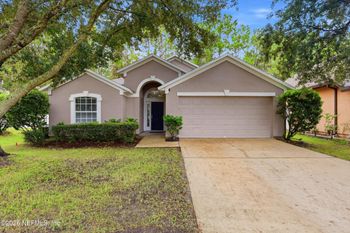
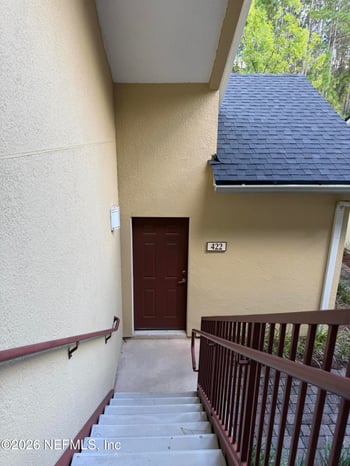
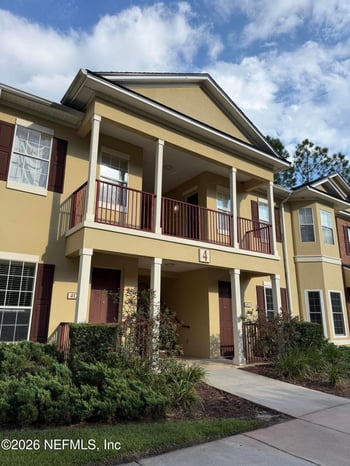
27 Properties Found
Sort By:

Current Real Estate Statistics for Homes in Orange Park, FL (Community: Oakleaf Plantation)

27
Homes Listed
47
Avg. Days on Site
$164
Avg. $ / Sq.Ft.
$350,785
Med. List Price

Quick Scan: What Living in Oakleaf Usually Feels Like

If you're already leaning toward Oakleaf, this is the "week one" stuff—how the area moves, where life lands, and what's worth a quick reality check before you get attached to a house.

Who it fits

Oakleaf tends to feel right if you want a planned-community setup where parks, amenities, and errands are close enough that you'll actually use them in a normal week.

Quick check: Do a weeknight drive (around dinner) and see if the pace matches what you want day-to-day.

Getting around

Most routines funnel through the same connectors—Blanding (SR-21), Argyle Forest, I-295, and SR-23—so "easy" vs "friction" often comes down to which route you naturally end up using.

Quick check: Pull traffic during your real drive windows before you tour.

Errands & dinner

A lot of default life lands near Oakleaf Town Center—quick groceries, pharmacy stops, casual dinner—without needing a "whole trip" across town.

Quick check: Do your real list (grocery + one extra stop) around 5–7 pm and see how it feels.

Amenities in real life

The amenities can be a real lifestyle upgrade if you'll use pools, fitness, and weekend hangout space—just don't assume access and policies are identical across every part of Oakleaf.

Quick check: Ask what applies to the specific community you're touring (hours, guest rules, access).

Parks & sports nights

Oakleaf Community Park is one of those places that tells you a lot—quiet on some nights, lively on others, especially during sports seasons.

Quick check: Drive by on a weeknight and look at parking and field activity.

Homes you'll see

Oakleaf isn't one single "house look." You'll see a mix of eras and layouts, and that changes driveway space, storage, yard feel, and how "turnkey" a home really is.

Quick check: If "updated" is the headline, confirm what work was actually documented (roof/HVAC/additions).

Rules & fees

Oakleaf can have more than one layer here (community association rules and CDDs). It's not "good" or "bad," it's just something you want clear before you commit.

Quick check: Pull the current docs early so you're not guessing about what applies to the home you like.

Schools, if it matters

If schools are part of your decision, treat zoning as something you confirm—because assignments can be specific and can change over time.

Quick check: Use the official "find my school" tool for the home you're touring, then re-check before an offer.

Water & drainage

Drainage and flood posture can vary more than people expect even within the same broad community. This is one quick check that can prevent a future headache.

Quick check: Run the home through the FEMA flood map and (ideally) see the street after a heavy rain.

NAS Jax reality (if relevant)

If NAS Jacksonville is part of your week, what matters is how the drive feels during your actual hours—and which gate you'll realistically use.

Quick check: Confirm current gate info, then test your route during your normal drive window.

Useful links (when you want to confirm details):

Where Oakleaf Sits: Orange Park + Clay County

Oakleaf Plantation often feels like its own “little town” on the map, but the simplest way to picture it is this: you’re in the Orange Park mailing area, and your day-to-day decisions (schools, county services, permits, parks) typically run through Clay County. That matters less as trivia and more as a practical baseline—who you call, where you verify things, and which public systems your home is tied to.

In normal-life terms, Oakleaf’s center of gravity is around Oakleaf Plantation Parkway and the surrounding retail cluster—where a lot of errands naturally land without you thinking too hard about it. It’s one of those places where you’ll recognize the same turns quickly: school drop-offs, the grocery run, an after-dinner ice cream stop, and weekend sports at the park.

If NAS Jacksonville is part of your week (or may be), Oakleaf is often on the short list because you’re generally on the west/southwest side of the Jacksonville metro, with I-295 doing a lot of the heavy lifting depending on which gate you’re aiming for. The practical move isn’t guessing—just run the drive once in the same window you’d normally travel.

Quick bearings
  • County reality: most “official checks” run through Clay County systems.
  • Errand default: the Oakleaf retail cluster is where a lot of routines settle.
  • Weeknight pulse: sports and park traffic can shape how the area feels after work.
If you’re getting oriented

Start with the park and the main errand nodes. Oakleaf Community Park is a useful “real place” reference point (not just a map pin), and the main shopping cluster is the other point you’ll keep circling back to.

Worth checking links

Getting Around: The Roads That Shape Your Week

Oakleaf day-to-day usually comes down to a handful of routes you’ll start using without thinking: Oakleaf Plantation Pkwy for most “inside Oakleaf” life, Argyle Forest Blvd for a lot of the connecting, and Blanding Blvd (SR-21) when you’re heading out for bigger errands or a longer drive. Add I-295 to link into other parts of Jacksonville, and SR-23 (First Coast Expressway) as an alternate option depending on where you’re headed.

The helpful way to think about this isn’t “traffic” as a concept. It’s whether your normal life fits the way these roads behave at the times you’d actually drive them. If your weekdays are flexible, Oakleaf can feel easy. If your schedule is locked into specific windows, the same route can feel very different. The only reliable move is to test it with your own routine in mind.

Two quick drive tests
small effort, big clarity
  • Weekday early evening: run the exact route you’d drive most often (work tie-ins, activities, dinner).
  • Weekend late morning: do a normal errand run (grocery + one extra stop) and pay attention to turns, parking, and in-and-out ease.

While you’re out, notice the small friction points: long left turns, awkward merges, and the spots where it’s simply easier to go one light down and circle back.

How the main roads tend to get used
plain-language map
  • Oakleaf Plantation Pkwy: the “inside life” connector (schools, parks, shopping cluster).
  • Argyle Forest Blvd: the practical connector when you’re moving between nearby pockets.
  • Blanding Blvd (SR-21): the bigger retail and “out of Oakleaf” move.
  • I-295: the beltway option for tying into Jacksonville.
  • SR-23 (First Coast Expressway): an alternate route option—useful for some drives, not all, and it’s worth knowing the toll basics early.
A “no guessing” check
before a tour day

If the drive matters to you, don’t rely on a good day. Check live conditions in the same window you’ll normally travel, then check again on the day you’re out touring.

Useful links

Errands: Where Life Naturally Lands

One of the quiet advantages in Oakleaf is that you don’t have to “plan a trip” for most everyday needs. A lot of the week-to-week stuff naturally funnels into a few repeat stops—grocery, pharmacy, a quick pickup, an easy dinner—so you start recognizing your own patterns fast. If you’re new to the area, this section is less about memorizing names and more about knowing where your routines are likely to settle.

The trade-off is that the same convenience can also create a “same handful of turns” feeling—especially on busier afternoons. That’s not a dealbreaker for most people, but it’s worth noticing early: do you want everything close and familiar, or do you prefer being a little farther out so errands feel quieter?

Everyday groceries
the “quick stop” test

Most people end up with a default grocery run here. In Oakleaf, that often means Publix at OakLeaf Commons (Oakleaf Plantation Pkwy) for the routine pickup, and Publix at OakLeaf Plantation Center (Argyle Forest Blvd) depending on which side of the area you’re already on.

  • Notice the parking feel at the time you’d normally go (not just mid-morning on a quiet day).
  • Pay attention to “easy in / easy out” turns—small frictions are what add up over months.
  • If walkability matters to you, check whether your favorite stops feel truly reachable from your pocket.
The bigger shopping run
where “one stop” happens

When you want more than a quick pickup, Oakleaf Town Center (near Argyle Forest Blvd and Old Middleburg Rd) is the “bundle your errands” place—big retail, home goods, and the kind of stops where you can knock out a few things in one go.

What to notice on a visit
  • Is it calm enough to feel like a normal errand, or does it feel like a weekend-only destination?
  • Do the left turns and entry points feel smooth in your usual time window?
  • Does it feel like “your default,” or would you still drive elsewhere out of habit?
When you head out
the “Blanding” reality

For a lot of people, Blanding Blvd (SR-21) becomes the main “outside Oakleaf” direction—more retail choices, more services, and more of that classic Florida main-road feel. If a traditional mall matters to you, Orange Park Mall (Wells Rd) is a common option when you want a bigger selection in one place.

  • Good: lots of options when you need something specific.
  • Trade-off: it can feel more “busy road” than “neighborhood street,” depending on the time of day.
  • Simple test: do one errand out-and-back on a weekday afternoon and see how it feels.

Real-Life Amenities: What You’ll Actually Use

Oakleaf’s amenities can be a real quality-of-life perk, but they only matter if they fit your real week. A pool that’s convenient on paper is a different thing when you’re arriving after work, trying to find a spot to park, and deciding whether you’re actually going to go in—or just keep driving.

The most useful way to judge Oakleaf amenities is simple: picture the exact windows you’d use them. Weekday evenings. Weekend mornings. The times when kids’ sports and community activity are actually happening. That’s when you learn whether the gym feels easy, the pool feels like a treat, and the overall setup stays part of your life after the first month.

The “will we go?” test
weekday reality
  • Weekday evenings: parking and crowds matter more than the brochure photos.
  • Weekend mornings: you’ll see the true “regular use” pattern—who’s there and how smooth it feels.
  • Seasonal spikes: pools and sports seasons can change the feel quickly.

A quick swing-by during a busier window tells you more than a midday tour ever will.

Not every street gets the same setup
good to know early

Oakleaf isn’t one single set of rules and amenities across every street. The practical reality is that access, passes, and fees can depend on which part of Oakleaf you’re buying in and which governing group applies to that home.

Three quick questions to ask
  • Which amenity centers are included for this home?
  • Are there current guest rules or pass/card requirements?
  • Are there any restrictions that would change how you’d use the amenities (hours, policies, reservations)?
Where to confirm the current rules
straight from the source

If amenities are part of why you’re choosing Oakleaf, it’s worth a quick look at the official sites. Policies and details can change over time, and this keeps you from assuming a feature applies to a home when it doesn’t.

On tour days, it also helps to drive past the amenity centers once during a busier window, just to see parking and the overall pace.

Weeknight Energy: Parks, Fields, and Fresh Air That’s Easy to Use

If “being outside” is part of why Oakleaf is on your shortlist, the helpful question isn’t whether there are parks on a map. It’s whether you’ll actually use them on a normal Tuesday—after dinner, between errands, or when you want a quick reset without planning a whole outing.

Oakleaf has a mix of everyday neighborhood green space and a larger sports-park setup. The difference matters, because one feels like “walk over whenever,” and the other is more of a destination—especially when youth sports seasons are in full swing.

Big-park reality
sports seasons matter

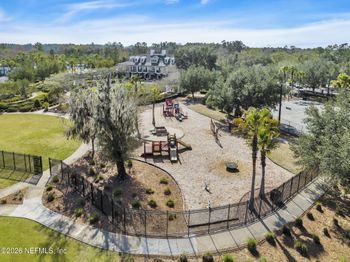
Oakleaf Community Park is the “fields and weekend schedule” kind of park—baseball/football/multi-purpose fields, concessions, and a playground. It’s a great asset if you’ll actually use it, but it also means certain evenings and weekends can feel busier than a quiet neighborhood pocket.

If this matters to your week
  • Drive through once during a busier window to see parking and overall pace.
  • Notice how close it feels from the streets you’re touring (easy habit vs. “we’ll go someday”).
  • If you have kids in sports, ask what leagues typically use the park.

Oakleaf Community Park (Clay County listing): 3979 Plantation Oaks Blvd, Orange Park. Confirm park details

Everyday green space
the quick reset

The part of Oakleaf that tends to “stick” for people is the everyday stuff: pocket playgrounds, small green spaces, and places where you can get outside without turning it into a whole plan. If you’re touring, it’s worth noticing whether the street you’re on feels like it naturally connects to a park or play area.

What to notice on a tour
  • Is there a simple walk/bike path feel, or does everything require loading back into the car?
  • Do the nearby playgrounds look like “daily use” spaces, or more like a once-in-a-while stop?
  • Does the area feel comfortable for a quick evening stroll, not just a weekend outing?

Oakleaf’s resident site describes a large network of playgrounds/green space and amenity areas. See the resident amenities overview

When you want “real nature”
easy weekend escape

If your idea of outdoors is more pine-flatwoods and quiet trails than ballfields, you’re not stuck with only neighborhood parks. Branan Field Wildlife & Environmental Area is one nearby option with marked trails through sandhills/flatwoods—more of a “get a little space” place than a playground stop.

Is it worth the drive?
  • If you’d actually do this monthly, test the drive once from Oakleaf at the time you’d go.
  • Look for parking ease and whether the trail experience feels worth repeating.

Official trail info: Florida Fish and Wildlife (Branan Field)

Street Feel: How Oakleaf Changes Block to Block

Oakleaf can look “uniform” in listing photos, but it doesn’t feel uniform once you start driving it. Some pockets feel more mature and settled, with the kind of shade and visual privacy that makes an evening walk feel calmer. Other pockets feel newer and brighter, with a more open look and a little more of that clean, planned feel.

This matters because your day-to-day experience usually comes down to small things: how tight the street feels when cars are parked, whether driveways comfortably fit two cars, how close your neighbors feel from the back patio, and whether guest parking becomes easy or “a whole thing” when people visit.

What you’ll notice first
the “street test”
  • Street width + parked cars: does it still feel comfortable to drive through at night or on a busy weekend?
  • Driveway reality: do two cars fit without blocking the sidewalk or feeling cramped?
  • Lot spacing: do backyards feel usable and private, or more “close quarters”?
  • Shade and tree cover: some streets feel noticeably cooler and calmer than others.

If you’re touring multiple homes, step out of the car and walk to the end of the street once. That tiny reset tells you more than another round of listing photos.

Home types you’ll run into
density & space reality

Oakleaf has a mix of housing styles—single-family homes, townhomes, and attached options—so the “feel” can change quickly from one turn to the next. The practical differences usually show up in parking, storage, and how much outdoor space you truly get.

Small questions that prevent big surprises
  • Where do guests actually park on this street when it’s busy?
  • Is there real storage space (garage depth, closets), or does it feel tighter in person?
  • Does the backyard/patio feel like somewhere you’d use, not just maintain?
Touring “updated” homes
what usually holds up

You’ll see a lot of listings described as “updated.” Sometimes that means truly meaningful work (roof, HVAC, windows, major systems). Sometimes it means cosmetic changes that photograph well. The smartest move is to treat “updated” as a question: what exactly was done, and is there a record of it?

  • Ask for specifics: roof year, HVAC age, water heater, and any major remodel scope.
  • Look for consistency: a beautiful kitchen with very tired big-ticket systems is a common mismatch.
  • Check the paper trail: permits won’t tell you everything, but they can confirm major work was pulled and closed out.
Useful public lookups

The Rules: CDDs, the POA, and What Actually Touches Daily Life

Oakleaf is the kind of community where the “who runs what” part matters more than people expect—not because it’s complicated, but because it quietly shapes the stuff you feel week-to-week: which amenities you can use, what the neighborhood standards look like, and how changes and questions usually get handled.

The simplest way to think about it is this: there are public-district pieces (CDDs) that exist to manage certain community infrastructure, and there’s the property-owners side (POA) that covers neighborhood standards and association items. What matters for a homebuyer is how that shows up in real life for this home—not the general idea.

What you’ll feel financially
tax bill vs dues

In many Florida communities, CDD costs show up on the property tax bill, while association dues are handled separately. The “surprise” usually isn’t that costs exist—it’s where they appear and how they’re labeled.

A quick check that prevents confusion
  • Pull the parcel record first so you’re looking at the correct property.
  • Use the Clay County Tax Collector search to see what appears on the bill.
  • If something looks unfamiliar, match it back to the official district/association sites.
Public lookups
What you’ll feel day-to-day
the “real rules”

Most people don’t care about governance as a concept—they care about the things it controls. In Oakleaf, the practical “rules” usually show up in a few predictable places: visible home changes, amenity policies, and how consistent the neighborhood looks and feels over time.

  • Outside changes: fences, paint colors, sheds, and visible additions often have guidelines.
  • Amenity use: passes/cards, guest rules, hours, and policies can shift.
  • Neighborhood consistency: standards and enforcement shape how “kept” the streets feel.

If a home is a serious contender, skimming the most recent official updates is a small step that can save you a bigger surprise later.

Matching the home to the right pages
fast clarity

If you’re new to Oakleaf, the names can feel like inside-baseball at first. The easiest approach is to start with the public records (parcel + tax) so you know what’s tied to the property, then use the official sites for the current policies, budgets, and notices.

Official starting points

If a listing description is vague, the parcel record is usually the cleanest place to start—before you rely on anyone’s shorthand.

Water & Drainage: Stormwater Patterns & Flood Map Checks

Oakleaf has a lot of visible stormwater design—ponds, swales, and wide drainage areas that are part of the everyday scenery here. On a sunny tour, it’s easy to treat all of that as “just landscaping.” The smarter move is to make one calm check now, so you’re not learning the hard way after you close.

This isn’t about trying to predict the weather or label a neighborhood. It’s about getting a simple, repeatable read on how water behaves around the specific home you’re considering—and knowing which official maps to trust when opinions start flying around.

The quick map check
3 minutes

Before you fall in love with the kitchen, pull up the official flood map and see what it says for this exact location. If the listing text is vague, this is where clarity starts.

  • Run the location through FEMA’s map search and save the panel result for your notes.
  • Cross-check on Clay County’s map viewer with flood layers turned on if you want the local view.
  • If anything looks unclear, flag it early and ask your insurance agent for a quote tied to that address.
What to notice on the street

Oakleaf streets can look “finished” and tidy, which makes it easy to miss the small water cues that matter week-to-week. If you can, do one drive-by after a good rain—nothing dramatic, just real conditions.

  • Low spots: look for areas where water tends to linger near curbs, drains, or mailbox clusters.
  • Yard grading: does the lot naturally send water away from the home, or toward it?
  • Swales & ponds: check whether they look like working drainage features, not just pretty scenery.
  • Driveway + sidewalk edges: these often show early signs of persistent runoff patterns.

If you can’t catch it after rain, the backup plan is simple: ask your inspector to pay special attention to grading and drainage at the home’s perimeter.

The paperwork that settles it

When people talk past each other about water, the easiest way to stay calm is to focus on documents tied to the property—things that don’t rely on memory or opinions.

  • Survey: confirms lot lines and can reveal easements or drainage areas you’ll want to understand.
  • Elevation certificate (if available): not every home has one, but if it exists it’s useful context.
  • Insurance quote tied to the location: turns “I think it’s fine” into “here’s what it costs.”
  • Seller disclosure: read it slowly—then ask follow-ups if anything feels vague.

If the map result surprises you, it doesn’t automatically mean “no.” It just means you get clarity early and decide with your eyes open.

Who maintains what

In a master-planned area, stormwater features are often “somebody’s responsibility,” but that “somebody” can vary. It’s worth knowing whether you’re looking at county-maintained systems, community district infrastructure, or something that effectively falls under neighborhood rules.

  • Use Clay County’s resources to understand the broader stormwater system and public works scope.
  • For community-district infrastructure, confirm what the district covers (and what it doesn’t) in current documents.
  • If you’re unsure, treat it like a normal due diligence question: “Who maintains this pond/ditch/drainage feature?”
A simple “no surprises” checklist
  • Pull the FEMA map result for the specific home and keep it with your tour notes.
  • If you can, swing by once after rain to see how the street and yard actually behave.
  • Get an insurance quote tied to the location early—especially if the map result raises questions.
  • Ask directly who maintains nearby drainage features so you’re not guessing later.

Schools in Oakleaf: What Applies Here (and Where to Confirm It)

If schools matter to your decision—now or later—Oakleaf is one of those areas where it pays to get clarity early, without turning it into a stressful rabbit hole. This part of Orange Park is in Clay County, and the district source-of-truth is Clay County District Schools (OneClay). The simple goal here isn’t to “research schools.” It’s to confirm what applies to this home, then re-check once more before you’re fully committed.

The “no assumptions” approach

Listings and casual conversations sometimes use school names loosely. Treat anything you hear as a starting point, then confirm using OneClay’s official tools. That keeps your decision grounded without needing rankings, rumors, or guesswork.

Useful pages
Start with district clarity
Quick orientation

Oakleaf’s day-to-day school district context is Clay County District Schools (OneClay). If you’re also comparing nearby areas with Jacksonville addresses, keep in mind the district can change across county lines—so it’s worth confirming before you get emotionally attached to a specific street.

  • Use OneClay’s tools as your source-of-truth, not the listing text.
  • If schools aren’t a driver for you, you can skim this section and move on.
Confirm the assignment for the exact home
Keeps it simple

The practical move is to run the address through OneClay’s “Find Your School” tool and save the result (screenshot, note, whatever you’ll actually keep). That way, you’re not relying on memory later when you’re comparing multiple listings.

What to check (in plain language)
  • The zoned elementary / junior high / high school names for that address.
  • Whether the district lists any program-pathway notes that matter to your household.
  • If transportation or after-school logistics matter, treat this as your prompt to ask the district/school directly.
Re-check timing before you commit
Prevents surprises

School boundaries and assignments can be updated over time. The low-effort habit that keeps you protected is to check once early, then check again closer to your decision point (especially if you’re buying months ahead or evaluating multiple homes).

  • Use the district maps when you need a bigger-picture view of zones.
  • If you’re comparing “Oakleaf” to nearby areas, confirm the district change before you assume it’s the same setup.
  • If anything feels unclear, the safest move is a quick call/email to the district or the school itself.
Helpful for zone context
OneClay School District Maps

Connectivity: Why “Zip Code Coverage” Isn’t Enough

Oakleaf is big enough—and built out over enough years—that “it’s fine in this ZIP code” doesn’t always tell the full story. Most people don’t think about connectivity until the first week after closing, when a video call freezes in the back bedroom or the phone drops to one bar right where you’d normally sit after dinner.

The good news is this is one of the easiest regrets to avoid, because it’s checkable. You don’t need to become an internet expert—you just need a quick way to confirm what this home can actually get, and a simple on-site test when you’re touring.

Internet isn’t “area-wide”
street-level reality

Two homes that look identical online can have very different options depending on what’s already built out on that street. Even when service is available, the plan you can actually order can differ by address.

  • What this changes week to week: work calls, streaming, smart-home reliability, and how “easy” the setup feels.
  • What to keep simple: confirm availability first, then compare plans. Don’t try to guess from a listing description.
The two checks that prevent surprises
fast + practical
A quick, grounded way to confirm
  • Check the home’s location on the FCC Broadband Map to see what’s reported as available.
  • If you tour the home, run a real-world test in more than one spot (front room vs back room) using your phone or laptop.
Helpful link
Cell signal is a “where you stand” thing
test it in real spots

One reason this surprises people in Florida is that some homes use concrete block/stucco construction, which can weaken cell signal indoors. That’s why you can have solid bars in the driveway, then notice a drop in the back of the house. The simple fix is to test it inside the rooms you’ll actually use.

  • Do this while touring: make one call inside (back bedroom if there is one) and one outside where you’d actually hang out.
  • If it matters for work: treat this like a non-negotiable check, not a “we’ll figure it out later” thing.
  • If you want extra confidence: compare what the FCC map shows for mobile coverage, then trust your on-site test most.

Comfort Checks: Traffic Noise, Construction, & the Evening Drive

Oakleaf can feel calm once you’re a few turns inside a neighborhood—then you pop back out to Blanding Blvd (SR-21) or Argyle Forest Blvd and remember you’re in a busy part of the Orange Park area. For most homebuyers, this isn’t about labeling anything as “good” or “bad.” It’s about whether your normal week feels easy—porch time, sleep, work calls, school mornings, weeknight errands—or whether a few small frictions add up.

The comfort difference inside Oakleaf is often street-specific: how close you are to Oakleaf Plantation Pkwy, how your pocket connects to the main exits (I-295 or SR-23 / First Coast Expressway), and whether your backyard faces a buffer, a pond, a collector road, or the back side of a shopping corridor. Two homes with the same floor plan can feel completely different at 7:30 pm.

Noise edges

Sound changes fast by street

If you’re near the busier stretches of Blanding or Argyle, you may hear more “road hum” than you expect—especially in backyards that face open space without much buffering. One turn deeper, the same evening can feel noticeably quieter. The point is to notice the direction a home faces and what’s behind it, not just the inside finishes.

  • Stand in the backyard and listen for steady road noise vs. occasional bursts.
  • Look for natural buffers: tree lines, berms, ponds, and how fencing is laid out.
  • Pay attention to cut-through movement on the street during the early evening.
Evening feel

The first 10 minutes home matter

A neighborhood can be great, and you can still end up dreading the daily “getting in and out” part if your route stacks up at the wrong intersections. In Oakleaf, that usually shows up around how you approach Oakleaf Plantation Pkwy, where you jump onto Argyle or Blanding, and whether your life regularly pulls you toward I-295, NAS Jax, or the Westside/Jacksonville side of town.

  • Do one real “after work” run: pull in, park, then go back out and return again.
  • Notice where the slow-down actually starts (not just where it ends).
  • If your week includes evening errands, test the approach near Oakleaf Town Center.
What can shift

Construction isn’t “bad”—it’s just noisy

Oakleaf is established, but the broader Clay County / Westside growth story is still moving. That can mean road work, lane closures, and active build areas that change the way a street sounds on weekday mornings. If you’re touring near open pads or newer edges, it’s worth treating “quiet” as something you verify at the times you’ll actually be home—not something you assume from a midday showing.

  • Look for signs of active work nearby: equipment storage, fresh grading, new curbs.
  • Ask what’s currently under construction close to the street (roads or new phases).
  • Re-check project updates before you commit if timing matters to you.
Quick comfort test

The “sit-and-listen” minute

This is the simplest way to avoid a “why didn’t I notice this?” surprise: treat the home like you already live there. Not in a dramatic way—just enough to catch the stuff photos never show.

  • Park, turn the car off, and sit quietly for 60 seconds.
  • Walk to the back of the lot and listen again—sounds can change dramatically.
  • Look down the street: where do extra cars go, and how tight does it feel?
  • Come back once near dusk if you can—lighting and activity patterns read differently.
Helpful sources when you want to confirm what’s changing

Tour Test: A Simple Drive That Tells You If Oakleaf Fits

Oakleaf can look perfect on a listing page and still feel “off” once you’re living it—mostly because the day-to-day here is shaped by a handful of repeat drives. This isn’t a complicated tour plan. It’s just a quick way to test whether Oakleaf feels easy in the moments that matter: getting out, getting back in, grabbing what you need, and settling in at the end of the day.

Do this when you can see real life: one pass in the early evening on a weekday, and one pass late morning on a weekend. You’re not looking for a “best route.” You’re checking whether the flow matches how you actually live.

Step 1
Run the “two exits” reality check
  • Start inside Oakleaf and take your usual path out toward I-295.
  • On the second pass, route yourself toward SR-23 (First Coast Expressway) and notice how it feels getting there.
  • If your week includes NAS Jax, try one pass that leans into Blanding Blvd (SR-21) so you can feel that drive with your own eyes.
What this tells you
  • Whether “getting out” feels straightforward or like a daily negotiation.
  • Which route you’d choose on a normal weekday without thinking about it.
Step 2
Do one “normal” errand stop on purpose
  • Pick one quick stop at Oakleaf Town Center (even if it’s just a coffee or a walk-through).
  • Then do one stop that pushes you out toward the Blanding strip so you can compare the “in-and-out” feel.
  • Pay attention to parking, turns, and whether you feel relaxed or rushed.
What this tells you
  • Where you’ll naturally “default” when it’s a regular weeknight.
  • Whether errands stay contained—or you’ll feel like you’re always spilling out to the same few roads.
Step 3
Check “after work” feel near a park or active spot
  • Swing by Oakleaf Community Park on a weekday evening.
  • Notice how easy it is to park, turn around, and get back out.
  • If you’re touring near townhomes, take 60 seconds and look for how guest parking works in real life—curb space, driveways, and the “where would friends go” question.
What this tells you
  • Whether the area feels lively in a good way—or just busy when you’re tired.
  • How “close to the action” will feel once it’s your normal week, not a tour day.
Step 4
End with a quick “would I do this twice a week?” gut check
  • Pick one destination you’ll repeat often (work route, gym, a frequent store, a regular visit) and drive it from your likely pocket of Oakleaf.
  • On the way back in, notice the last two turns. That’s the part you’ll feel the most over time.
  • If you can, do a short walk from the house to the end of the street and back. Photos don’t tell you street feel—standing there does.
What this tells you
  • Whether Oakleaf feels like a calm home base—or a place you’re always “driving away from.”
  • If the day-to-day convenience matches the excitement of the listing.
Helpful links for this tour

Small detail that surprises people: if you end up using SR-23 regularly, it’s an all-electronic toll road. It’s worth confirming toll details for your exact ramp-to-ramp habit so it doesn’t become a background annoyance later.

Cross-Shop Shortlist: Nearby Alternatives & What Changes

If Oakleaf is already on your list, a quick cross-shop isn’t about second-guessing. It’s about confirming the week you’re buying: where you’ll drive most often, where errands naturally land, and whether the neighborhood “feel” still works once you’re not touring in daylight.

These are common nearby comparisons homebuyers make. The goal isn’t “better.” It’s getting clear on what changes when you shift just a few miles: county services, school districts, road habits, and the kind of streets you’ll come home to.

Fleming Island
Clay County alternative

This is a frequent comparison when someone wants to stay in Clay County but prefers the US-17 / CR-220 side of life—different errand patterns, different “where do we naturally end up” spots, and often a more water-adjacent feel around Doctors Lake.

  • What changes: your default shopping/dining strips and which roads you “lean on” all week.
  • What to look for: neighborhood-by-neighborhood differences in HOA rules, amenities, and how busy the main corridors feel after work.
  • Quick reality check: do one normal evening errand run (pharmacy + groceries) and see if it feels simple or like a lot of turns.
Middleburg
more space focus

Middleburg comes up when someone likes Oakleaf’s general side of town but wants a different “space” trade-off—sometimes larger lots, sometimes newer pockets, often a more spread-out everyday layout that can feel calmer (and sometimes just… farther from everything).

  • What changes: fewer “all-in-one” errand stops; you may do more single-purpose trips.
  • What to look for: drainage after rain and how the street feels at night (lighting, driveways, parking habits).
  • Quick reality check: drive the route you’d use most at early-evening timing—see if it feels repeatable.
Argyle / Westside Jacksonville
Duval County side

This is the “same general road network, different county” comparison. It can feel close on a map, but the practical differences show up in school districts, permitting records, and which public services you’re actually under.

  • What changes: county systems and schools—plus where your errands naturally collect.
  • What to look for: how close you are to the roads you’ll hear and use (not just the neighborhood name).
  • Quick reality check: do a “come-home” drive after work hours and listen with the windows down once.
Mandarin
established feel

Mandarin tends to appeal to people who want a more established Jacksonville feel—bigger tree canopy in many pockets, a different mix of home eras, and an errand pattern that usually leans toward the San Jose corridor rather than Blanding.

  • What changes: your “default roads,” your shopping nodes, and which side of Jacksonville you naturally move through.
  • What to look for: home age range (systems) and how the neighborhood handles stormwater after heavy rain.
  • Quick reality check: test the routes you’d use for weekday life, not a Saturday morning tour.
Julington Creek / Fruit Cove
St. Johns County

This comes up when the school district conversation matters, or when someone wants a different “suburban center of gravity” closer to SR-13 / Racetrack Road. The day-to-day can feel more tied into St. Johns County routines than Clay County ones.

  • What changes: school district, county systems, and which errands become your defaults.
  • What to look for: HOA structure and how amenities are run neighborhood-to-neighborhood.
  • Quick reality check: run one early-evening “normal life” drive across the river and see how it feels.
Nocatee
amenity-first feel

Nocatee is the cross-shop when someone wants a more “built-around-amenities” master-planned experience and is comfortable with a more structured HOA environment. It can feel very polished—and it’s a different kind of week than Oakleaf.

  • What changes: where you spend time (community hubs), and how rules/standards show up day-to-day.
  • What to look for: how “contained” your life feels—great for some people, restrictive for others.
  • Quick reality check: visit in the early evening and watch parking, traffic flow, and how busy it feels.
Keep it simple: the few tools that answer “which system am I under?”
If you only do one cross-shop move: tour Oakleaf, then tour one alternative on a different day at early-evening timing. The contrast usually makes your preference obvious—without you having to overthink it.
Get Your Home’s Real Value — Verified by a Local Expert
Have a top local Realtor give you a FREE Comparative Market Analysis
How We Helped Our Clients
Panel only seen by widget owner
Raleigh Realty HomesRaleigh Realty Homes
Company
Home904.com logo

United Real Estate Gallery – Park Ave
1832 Park Avenue, Orange Park, FL 32073
First Coast Cities

Home904.com was built to make home searching in Jacksonville and across Northeast Florida clearer, calmer, and more accurate—pairing real-time MLS data with on-the-ground local context so decisions feel grounded, not rushed.

The site is run by Susie Takara, REALTOR®, a Northeast Florida real estate professional with United Real Estate Gallery known for steady communication, strong negotiation, and a relationships-first approach.

Whether you’re comparing communities in Jacksonville, Orange Park, Fleming Island, Middleburg, St. Johns, or Green Cove Springs, Home904 is designed to help you understand how a home and neighborhood will actually function day to day—at your pace, with guidance available when you want it.


© 2026 Northeast Florida Multiple Listing Service, Inc. All rights reserved. The data relating to real estate for sale on this web site comes in part from the Internet Data Exchange (IDX) program of the Northeast Florida Multiple Listing Service, Inc. Real estate listings held by brokerage firms other than United Real Estate Gallery are marked with the listing broker’s name and detailed information about such listings includes the name of the listing brokers. Data provided is deemed reliable but is not guaranteed.