Listings
Market Stats
Popular Searches
Information

Ponte Vedra Homes for Sale - Coastal, Golf & Intracoastal Living

Home

Ponte Vedra homes for sale draw buyers who want coastal access, established golf communities, and the marsh-backed neighborhoods that line A1A and Palm Valley Road. Morning light comes in over the dunes near Mickler’s Landing, while afternoons move toward the Intracoastal, school traffic around Landrum and Ponte Vedra High, and the steady flow of golf carts heading toward TPC Sawgrass. Many homes feature coastal layouts, outdoor living areas, and neighborhood paths that link parks, beaches, and shaded residential pockets. It’s a blend of relaxed beach living and everyday convenience, so scroll below to see current listings and get a sense of how Ponte Vedra feels day to day.

Latest Homes for Sale in Ponte Vedra FL

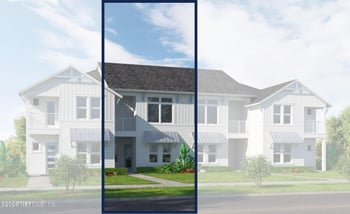
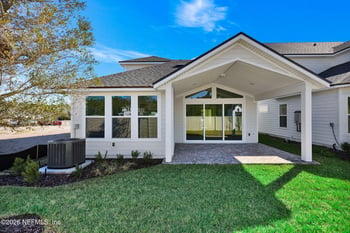
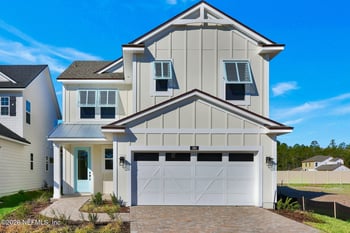
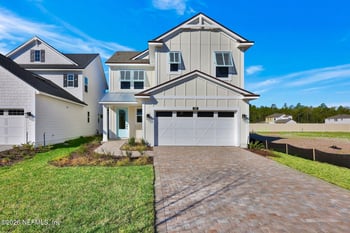
459 Properties Found
Sort By:

Current Real Estate Statistics for Homes in Ponte Vedra, FL

459
Homes Listed
49
Avg. Days on Site
$315
Avg. $ / Sq.Ft.
$823,751
Med. List Price

Ponte Vedra Buyer Reality Check — What Usually Decides “Yes” or “No”

Town Center Convenience Is the Day-to-Day

The “fit” usually shows up on a normal weekday—groceries, coffee, kids’ activities, a quick workout, dinner that doesn’t feel like a drive. Homes can look similar on paper, but daily life changes fast depending on how close you are to the places you’ll actually use.

Amenities Aren’t “Extras” — They’re the Week

In Ponte Vedra’s planned neighborhoods, pools and water parks aren’t a “special outing.” They become the default plan after school, on hot weekends, and on the days you want to stay close to home without getting bored.

The Cart + Path Network Is a Real Advantage

This is one of the few places where golf carts and internal paths are a legitimate way to move—school runs, quick stops, meeting friends, getting to activities—without hopping onto the main roads. If you’ll use it weekly, buy where it’s easy.

CDD vs HOA: What You’re Really Opting Into

Buyers tend to fall in love with the lifestyle first—then ask how it’s funded and how it’s enforced. Understanding what’s tied to CDD assessments versus HOA rules helps you avoid surprises after you’re already emotionally committed.

Verify School Assignment by Address

St. Johns County schools are a major driver here, but zoning is address-specific. Treat “zoned for” in a listing as a prompt to verify, not a guarantee—check the exact address early so you’re not guessing later.

Station Field Is Where the “Neighbor Effect” Happens

Planned living can feel separate until you find the gathering points. A lot of community life shows up around Station Field and the bigger amenity hubs—food trucks, markets, kid sports, and the routines that make you start recognizing people without trying.

Ponte Vedra Homes for Sale: Where the “Easy Week” Is the Real Upgrade

When people say they’re looking in Ponte Vedra, what they usually mean is this: they want a place where a normal week feels smoother. Not vacation-smooth — just “we’re not constantly in the car” smooth. This side of Ponte Vedra lives around planned neighborhoods, parks, and the kind of amenities you actually use once you move in. The goal isn’t to impress guests. It’s to make Tuesday and Thursday feel less like a logistics problem.

And here’s the part buyers don’t always realize at first: two homes can be close on a map and still live totally differently. One feels effortless because the stops you’ll make anyway are right there — groceries, coffee, kids’ activities, the pool on a hot afternoon — and the other feels like you’re always “heading out.” Even the way you enter the community matters. If you’re on the wrong side of your own routine, you notice it fast.

A quick “fit check” locals see play out all the time:
  • If you’re paying for amenities, will you actually use them — or do you prefer quieter neighborhoods with less structure?
  • Are you the kind of household that will use carts and paths for short trips, or will everything still be a car ride?
  • If schools are a driver, are you willing to verify the exact address early (instead of trusting “zoned for” in the listing remarks)?
  • Think about your real errands. When you picture groceries and a quick dinner, does it feel close — or like you’re always planning a drive?

Up next, we’ll break down how the main villages and neighborhoods differ — then we’ll get practical about amenities, carts and paths, neighborhood structure, and the few verification steps that protect you from an expensive assumption.

Ponte Vedra Neighborhoods: How Daily Life Changes by Village

Here’s the truth locals learn fast: “Ponte Vedra” isn’t one interchangeable experience. People who live on this side of the market tend to talk in villages because that’s how your week actually plays out. One area feels calmer and tucked-in. Another feels like the activity center, where kids are always moving and neighbors are always out. Another is convenience-first, where quick errands stay quick and you don’t have to plan your whole day around traffic windows.

A simple mental map buyers use (and it’s usually accurate)
Twenty Mile: calmer, more “tucked-in”

This is the part that tends to feel the most established. Streets are quieter, it reads more residential, and it’s the village a lot of buyers pick when they want planned living without a constant “activity hub” feel. Twenty Mile Park is one of the tells — it’s used like a real neighborhood park, not a showpiece.

Best fit for: buyers who want privacy, calmer evenings, and a neighborhood that feels settled.

Crosswater: the family activity center

If you picture kids riding bikes, after-school plans stacking up, and neighbors actually being outside, this is usually where that picture matches reality. It’s a common landing spot for households that want a built-in social layer and shorter internal trips to parks and amenities.

Best fit for: buyers who want energy, community programming, and a “we’re always doing something” week.

Town Center proximity: errands feel easy

This is the convenience-first version of Ponte Vedra — the one where you can handle real life without it turning into a project. Areas near Town Center (including West End at Town Center) tend to appeal to people who want services, dining, and community amenities close enough that you actually use them.

Best fit for: buyers who value quick stops, less driving, and “we’ll just go” flexibility.

The practical takeaway is simple: don’t compare floor plans until you’ve compared villages. Once you pick the daily-life pattern you want — quieter and tucked-in, activity-heavy and social, or convenience-first near Town Center — the right listings usually start to stand out on their own.

Amenities in Ponte Vedra: What You’ll Actually Use After You Move In

The easiest way to understand this side of Ponte Vedra is to stop thinking of amenities as “nice to have” and start thinking of them as the default plan when you don’t want to drive. That’s the whole point. When it’s a random Wednesday and it’s still hot at 6:00, families aren’t debating where to go — they’re going to the same places again and again because it’s simple.

And that’s why this matters for home shopping: you’re not just picking a house, you’re choosing how your household decompresses. If you’re the type that will use pools, slides, kid play areas, and open green space weekly, it changes what “good location” means inside Ponte Vedra.

The simplest way locals describe it:
Splash feels like the “big day” option.

It’s the one families talk about when relatives visit or when you’re trying to burn off extra energy. If your kids are water-park kids, this is the amenity that becomes part of your summer identity.

Spray fits the quick, regular routine.

This is the “we have an hour” choice. The one you hit after school, after practice, or on a weekend when you want to keep the day simple and still feel like you did something.

The quiet advantage is that you don’t have to plan entertainment.

The parks, fields, and amenity hubs create built-in options — which is exactly why buyers who move here often say their week feels smoother, not busier.

Local tip you only learn by missing it once: Splash is typically closed on Mondays, and Spray is typically closed on Tuesdays (holiday schedules can vary).

If you’re touring homes, here’s a good test: ask yourself whether you’d actually use these amenities when the move is over — not just during the “new house excitement.” If the answer is yes, you’ll want to prioritize neighborhoods where getting to them feels effortless, because that’s what turns amenities into real quality of life.

Golf Cart Life and EV Paths: The Shortcut That Changes Your Week

One of the biggest “this is different” moments for new buyers here is realizing how often you can skip the main roads. The EV path system isn’t just for exercise — it’s how a lot of residents move between villages, amenities, and Town Center when they want the day to feel lighter.

Here’s what to pay attention to as a buyer: being “close” isn’t the point. Being path-close is. Two homes can be similar on paper, but if one gives you an easy cart ride to the places you’ll actually use, it tends to feel more convenient in everyday life.

If carts and paths aren’t your thing, that’s fine — it just changes what you prioritize. Some buyers love being near the connectors. Others prefer a street that stays quieter, even if it means more driving.

If you want a “real life” preview, look at where people gather for community events — places like Station Field are a good example of how this area functions as a community, not just a set of neighborhoods. The paths are part of why those events are easy to drop into, even when you don’t want to turn it into a whole production.

Getting In and Out: The Routes That Decide Your “Easy Week”

One of the most useful things you can do when shopping Ponte Vedra is ignore the map pin and think about your exits. This area is built around a few primary connectors, and your day feels different depending on how quickly you can reach the one you’ll use most. In practice, that usually means understanding how your neighborhood relates to Nocatee Parkway (CR-210), Crosswater Parkway, and the US-1 gateways.

A simple “route match” most locals do without thinking:
Jacksonville / 9B / I-95: Nocatee Parkway is your default US-1 corridor: plan around the Race Track / Nocatee Parkway area South / CR-210 & beyond: your Crosswater / CR-210 positioning matters

The buyer takeaway is straightforward: a home can look “close” to everything and still feel inconvenient if you have to cut across the community to reach your main exit. That’s why two listings in Ponte Vedra can feel completely different in real life even when the specs look similar.

If you want the most honest test, do it the way residents do: after a showing, drive your real route toward US-1 or the parkway at the time you’d normally leave the house. You’ll learn more from that ten-minute drive than from another set of listing photos.

CDD vs. HOA in Ponte Vedra: What You’re Really Paying For (and What It Controls)

This is the part of the Ponte Vedra search where buyers either feel confident — or feel like they’re missing something. You’ll see an HOA fee, and you’ll also hear “CDD.” On paper it can look like double-paying. In real life, they usually cover different pieces of the lifestyle you’re moving for.

The simplest way to think about it: CDD is the community infrastructure and amenities (it shows up on the tax bill), and HOA is the neighborhood-level rules and upkeep (it’s managed by your village association). Both can be totally reasonable — you just want to know what each one does before you fall in love with a floor plan.

The plain-English breakdown
CDD (Community Development District)

Typically appears on your property tax bill as a non-ad valorem assessment. It’s tied to the bigger community build-out — things like the major amenities and the internal infrastructure that make planned living work. You’ll often hear people talk about “bond” versus “operations and maintenance” because those are two different parts of what you’re funding.

HOA (Homeowners Association)

Paid to your specific neighborhood/village association. This is where architectural rules, exterior standards, neighborhood landscaping, and day-to-day enforcement typically live. Two neighborhoods can feel totally different here — not in a dramatic way, but in the small stuff that affects how “easy” the house is to own.

What buyers usually miss is that the same Ponte Vedra address can come with very different rule sets depending on the village. One neighborhood may be relaxed about things like fences or exterior changes, while another is very particular — and neither is “bad,” but the fit matters.

Buyer protection checklist (use this before you commit)
  • Ask for the actual costs tied to that address: don’t rely on a listing summary. Request the HOA details and look at the “non-ad valorem” section of the prior tax bill for the property so you see what’s really carried.
  • Skim the rules that affect your life: rentals, parking, fences, exterior paint, sheds, and any restrictions that would annoy you six months after closing.
  • Confirm what your neighborhood covers: some HOAs include more maintenance expectations than others, and that changes how hands-on ownership feels.
  • Verify amenity access: if the amenities are part of why you’re buying here, make sure you understand what access looks like for your village and what’s included versus optional.

The goal isn’t to “avoid” CDD or HOA — it’s to understand the structure so the lifestyle matches what you think you’re buying. Once the paperwork is clear, picking between neighborhoods gets a lot easier.

Schools and Zoning: How Buyers Verify the Right Fit (Without Guessing)

On this side of Ponte Vedra, schools are often the quiet “why” behind the whole move — even when buyers don’t lead with that on day one. But here’s the part that trips people up: school assignment is address-specific. It’s not enough to hear “this neighborhood feeds into ___” or to trust a quick note in the listing remarks. You want the current, official answer tied to the exact street address you’re considering.

If you’re buying with a school plan in mind, treat this like due diligence, not a vibe check. A floor plan can be swapped. A school assignment can’t — and a surprise there is one of the fastest ways to turn a “perfect house” into a regret.

  1. Verify the address in the official district locator.
    Start with the school district’s attendance zone tool using the exact property address. If you’re comparing two homes, run both addresses back-to-back and save the results.
  2. Check for boundary updates before you assume anything is “stable.”
    Growing areas change over time. If schools are the driver for your purchase, skim recent district updates or board notes so you’re not relying on old neighborhood assumptions.
  3. Ask the questions that matter for your household.
    Magnet options, special programs, transportation, and grade configurations can affect daily logistics. It’s worth confirming what applies to that address so you’re planning the right “normal week.”
  4. Use listing claims as prompts, not proof.
    If you see “zoned for” in a listing, treat it like a reminder to verify — not a guarantee. The safe move is always: address first, then confirmation.

Local reality: two homes that feel like the same neighborhood can land on different sides of a line. If schools are a non-negotiable, verify early so you’re shopping with the right map.

Town Center and Everyday Errands: The Places You’ll Actually Use

This is where Ponte Vedra starts to make sense for people who don’t want their life to feel spread out. A lot of communities can sell you “amenities.” Fewer can give you a real, repeatable errand pattern where the basics stay close and you’re not constantly planning your day around traffic or distance.

Most buyers figure out their fit here by doing one simple thing after a showing: they drive over to Town Center and run a normal stop. Not a celebration dinner. Just the kind of place you’d go on a random Tuesday when you don’t want to think too hard.

  • Do the “Tuesday test.” Park, walk around for five minutes, and ask yourself if this feels like a place you’d actually use without talking yourself into it.
  • Notice how people are moving. You’ll see carts, bikes, strollers, and families stacking quick stops — that’s the day-to-day benefit buyers are really paying for.
  • Pay attention to effort, not distance. If it feels easy to grab groceries, coffee, and handle a quick dinner without it becoming a production, you’re positioned well.
  • Compare two neighborhoods by this trip. If one location makes this stop feel natural and the other makes it feel like a drive you’ll avoid, you’ve learned something important.

Town Center is also where a lot of the “community” becomes visible. Places like Station Field aren’t just event marketing — they’re a real gathering point when you want something to do that still feels low-effort. If you can get there easily, you’re more likely to use it, and that’s when planned living starts to feel like a benefit instead of a brochure.

The takeaway: if you want Ponte Vedra to feel convenient, you want to be positioned so your default stops are close enough that you don’t have to negotiate with yourself to go.

Homes and Neighborhood Feel: What Changes Street by Street

Once you’ve picked the “daily life” pattern you want, the next question is what kind of neighborhood structure actually fits you. In this part of Ponte Vedra, the differences aren’t dramatic in a brochure way — they show up in the small, lived-in stuff: how consistent the streets look, how strict the rules feel, whether you see people out in the evenings, and whether maintenance feels simple or like a second job.

If you’ve toured a few homes already, you’ve probably felt it: two properties can have similar finishes and still feel totally different because the neighborhood context isn’t the same. This is the section where buyers usually stop asking “which house is nicest?” and start asking “which setup would I still enjoy in two years?”

If you want it to feel “finished” and predictable

You’ll usually prefer villages where exterior standards are tight and the overall look stays consistent. The trade-off is less flexibility — but many buyers love the simplicity of knowing the neighborhood won’t drift.

If you want more personal flexibility

Some neighborhoods feel less “managed,” which can be a relief if you don’t want to ask permission for every exterior change. The trade-off can be more variation from house to house, and sometimes more owner responsibility.

A simple tour-day “tell” that works:
Drive it after dark

You’ll feel the difference between “quiet and settled” versus “quiet because nobody’s out.”

Look at the driveways

Are people using their homes comfortably — or does everything feel tightly controlled?

Check the “weekend footprint”

Parks, paths, and corners where people gather tell you if the neighborhood has real life in it.

The buyer-protective angle here is simple: be honest about the kind of structure you enjoy. Some people feel calmer with standards and consistency. Others feel boxed in by rules. Neither is wrong — but choosing the wrong environment is how a “perfect house” turns into a slow frustration.

New Construction vs. Resale: Picking Your Timeline

A lot of buyers land here with a simple question they don’t always say out loud: do we want something that’s done, or do we want something newer even if it takes longer? In Ponte Vedra, that choice changes more than your move date. It changes your daily friction — what you’ll deal with early on, what’s predictable, and what you’ll likely update over time.

A quick way to decide (without overthinking it)

If your priority is moving smoothly, resale often wins. If your priority is newer systems, newer layouts, and less immediate updating, new construction can make sense — as long as you’re comfortable with the timeline.

Resale homes: easier to read, easier to time
  • You can test the neighborhood immediately. Street noise, parking habits, path traffic, and how “active” the area feels are visible right now.
  • The move date is clearer. For buyers coordinating jobs, schools, or a sale back home, that predictability matters.
  • You may inherit someone else’s choices. Paint, flooring, landscaping, or a floor plan that works but isn’t “perfect.” The upside is you can often live in it first and update with intention.
New construction: newer feel, but you’re buying a process
  • Layouts and systems tend to feel current. For buyers who don’t want projects, that’s the appeal.
  • Timeline and selection choices matter. The “house” can be great, but the experience depends on build stages, finishes, and what’s available when you sign.
  • It can feel less settled at first. You might live around ongoing construction, fewer mature landscapes, and neighbors moving in at different times — which is fine if you expect it.

The most useful way to shop this is to decide what you’re optimizing for: certainty (resale), or newness (new construction). Either can be the right call here — just don’t accidentally choose a timeline that fights your real life.

Is Ponte Vedra the Right Fit for You? A Quick Reality Check

Ponte Vedra tends to make people very happy when they’re buying the lifestyle on purpose — not just the square footage. If you like days that feel organized, where the defaults are close and there’s always an “easy option” for after school, weekends, and quick errands, this place usually clicks fast.

But it’s not universally perfect, and that’s worth saying out loud. If you don’t enjoy planned-community structure, or you’re the kind of buyer who wants total flexibility and zero layers of rules, you can end up paying for a setup you don’t actually use.

Usually a strong fit if you:
  • Want planned convenience — parks, amenities, and everyday stops that stay close.
  • Actually like using paths and carts to make short trips feel easier.
  • Prefer neighborhoods that feel kept up and consistent instead of “anything goes.”
  • Have a household schedule where after-school time and weekends benefit from built-in options.
You may feel better elsewhere if you:
  • Want maximum freedom on exterior rules, parking, rentals, or property use.
  • Don’t see yourself using amenities and would rather prioritize simplicity.
  • Prefer a neighborhood feel that’s less managed and more varied house to house.
  • Know you’ll still drive everywhere and don’t care about being path-close.

The fastest way to decide is to picture a normal week. If Town Center convenience, parks, paths, and easy options sound like something you’d use without thinking, Ponte Vedra tends to feel effortless. If you’re already imagining avoiding all of that, it’s a sign you should shop a setup that matches how you actually live.

The Bottom Line: Shop the Week First, Then the House

Ponte Vedra tends to click when you’re buying the day-to-day on purpose — not just a floor plan. If your exits make sense, the paths actually save you time, and your default stops feel close, the whole area starts to feel easy in a way that shows up on a random Tuesday, not just the weekend.

Final Reality Check

Pick your day-to-day feel: quieter and more tucked-in, or more active and connected. The right village is the one that matches your weeknight energy.

Verify the non-negotiables early: if schools matter, confirm the exact address assignment; if costs matter, confirm HOA/CDD details tied to that specific listing.

Run one real test after a showing: head toward your usual route out or stop at Town Center. If it feels easy on a normal day, that’s usually your answer.

Jump back to current listings Tip: favorite a few options first, then sanity-check them against the routine sections above.

Frequently Asked Questions About Ponte Vedra Homes for Sale

Is “Ponte Vedra” the same thing as “Ponte Vedra Beach” when you’re searching for homes?

Not always. In real estate search results, those names can point to different clusters of neighborhoods and different day-to-day patterns. The safest move is to treat the listing location as the source of truth and verify what’s actually nearby (schools, parks, shopping, and your most-used routes) before assuming you’re shopping the same area.

What’s the real difference between HOA fees and a CDD here?

They’re two different buckets that often get lumped together:

  • HOA: Your village/neighborhood rules and standards—things like architectural guidelines, common-area upkeep, and neighborhood-level expectations.
  • CDD (if applicable): An assessment that typically shows on the property tax bill (often under “non-ad valorem”). It’s commonly tied to broader infrastructure and amenity systems.

Buyer-protective move: don’t rely on listing remarks. Review the HOA documents and look at the prior year’s tax bill for the address so you can see any non-ad valorem assessments clearly.

How do I verify school zoning for a specific home (without guessing)?

Verify by exact address using the official St. Johns County School District zoning tools—don’t rely on “zoned for” in listing remarks. This matters even more with the district’s 2026–2027 attendance zoning materials tied to new K-8 campuses, including K-8 School “RR” near the Seabrook side of the community.

If schools are a primary driver, do this early—before you fall in love with a floor plan—because zoning is address-specific and can change from one section of a neighborhood to the next.

Are golf carts “normal transportation” here, and what are the rules?

In many planned neighborhoods, carts are a practical way to handle short trips. Just know the current Florida law (Florida Statute 316.212) for operating a golf cart on public roads/streets where carts are allowed:

  • Under 18: Must have a valid learner’s permit or driver license.
  • 18 and older: Must carry a government-issued photo ID.
  • Community rules still apply: private neighborhood paths and internal routes can have their own rules. Confirm designated cart routes and any HOA restrictions before you assume every path is cart-accessible for your household.

Reference: Florida Statute 316.212.

Do I need flood insurance in Ponte Vedra?

It depends on the address, the mapped flood zone, and your lender’s requirements. Don’t rely on neighborhood generalizations—check the specific property: FEMA Flood Map Service Center.

For storm readiness, it’s also smart to know evacuation guidance by address: St. Johns County Evacuation Information.

How do I confirm the true yearly taxes and assessments for a specific address?

Use the prior year’s tax bill for that exact property and review both standard taxes and any “non-ad valorem” line items. Start here: St. Johns County Tax Collector – Real Estate Taxes.

If a home is in a CDD, confirm the district details through the official documents for that address rather than relying on a summary in listing remarks.

What should I look for when comparing new construction to resale homes here?

The best choice usually comes down to how you want your first year to feel:

  • New construction: more predictable systems and fewer near-term repairs, but you may live alongside ongoing nearby construction and final-phase landscaping.
  • Resale: often more established streets and mature landscaping, but you’ll want to pay close attention to roof/HVAC age, windows, drainage, and the HOA’s rules and enforcement history.

Either way, match the home to your timeline: if you need the move to feel calm and immediate, prioritize true move-in-ready reality over “perfect later.”

What’s one buyer mistake to avoid when shopping Ponte Vedra?

Don’t assume the lifestyle claims are automatic. Verify the three things that change how the home lives: (1) school assignment by address, (2) HOA/CDD obligations in writing, and (3) your real weekly routes for errands and getting out of the community. A home can be beautiful and still feel like work if it’s on the wrong side of your everyday habits.

Frequently Asked Questions About Ponte Vedra Homes

Is “Ponte Vedra” the same as “Ponte Vedra Beach” when searching for homes?

Not always. In search results, these names point to two different areas. "Ponte Vedra Beach" (32082) is the coastal corridor with older streets and beach access. "Ponte Vedra" (32081) usually refers to the inland side featuring newer, master-planned villages with EV paths and major water parks. Verify the zip code to ensure the lifestyle matches your search.

What’s the real difference between HOA fees and a CDD here?

Think of them as two separate buckets:

  • HOA: Covers neighborhood-specific rules, architectural standards, and village upkeep.
  • CDD: Appears on the property tax bill (Non-Ad Valorem). It funds community-wide infrastructure like the major amenity systems and path networks.

How do I verify school zoning for a specific home (without guessing)?

Verify by exact address using official district tools. This is critical for 2026 due to the new K-8 School "RR" zoning near Seabrook. Never trust "zoned for" in listing remarks.

Official SJCSD Attendance Zone Locator

Are golf carts “normal transportation” here, and what are the rules?

Yes, they are a staple for local errands. Under current Florida law (Statute 316.212):

  • Under 18: Must have a valid learner's permit or driver license.
  • 18+: Must carry a government-issued photo ID.
  • Private Paths: Neighborhood-specific rules still apply. Verify your village's cart accessibility before buying.

Do I need flood insurance in Ponte Vedra?

It is address-specific. Even in inland areas (Zone X), many residents opt for a preferred-rate policy for peace of mind. Check your specific lot at the FEMA Flood Map Service Center to confirm lender requirements.

How do I confirm the true yearly taxes for a specific address?

Review the prior year’s bill at the St. Johns County Tax Collector website. Check the “non-ad valorem” section for CDD assessments, as these are often omitted from estimated monthly payments on national search sites.

Should I look for new construction or resale homes here?

New construction offers modern energy tech and builder incentives, but resale homes in established villages offer mature landscaping and "finished" streets. Match the home to your timeline: buy resale for certainty, or new construction for the 2026 aesthetics and systems.

What’s one major buyer mistake to avoid in Ponte Vedra?

Shopping by house instead of by routine. A beautiful home can feel like a chore if it’s on the wrong side of your daily commute or school run. Verify the address, then drive your "normal Tuesday" routes before committing.

Ponte Vedra, FL Living and Lifestyle News & Advice

Get Your Home’s Real Value — Verified by a Local Expert
Have a top local Realtor give you a FREE Comparative Market Analysis
How We Helped Our Clients
Panel only seen by widget owner
Raleigh Realty HomesRaleigh Realty Homes
Company
Home904.com logo

United Real Estate Gallery – Park Ave
1832 Park Avenue, Orange Park, FL 32073
First Coast Cities

Home904.com was built to make home searching in Jacksonville and across Northeast Florida clearer, calmer, and more accurate—pairing real-time MLS data with on-the-ground local context so decisions feel grounded, not rushed.

The site is run by Susie Takara, REALTOR®, a Northeast Florida real estate professional with United Real Estate Gallery known for steady communication, strong negotiation, and a relationships-first approach.

Whether you’re comparing communities in Jacksonville, Orange Park, Fleming Island, Middleburg, St. Johns, or Green Cove Springs, Home904 is designed to help you understand how a home and neighborhood will actually function day to day—at your pace, with guidance available when you want it.


© 2026 Northeast Florida Multiple Listing Service, Inc. All rights reserved. The data relating to real estate for sale on this web site comes in part from the Internet Data Exchange (IDX) program of the Northeast Florida Multiple Listing Service, Inc. Real estate listings held by brokerage firms other than United Real Estate Gallery are marked with the listing broker’s name and detailed information about such listings includes the name of the listing brokers. Data provided is deemed reliable but is not guaranteed.