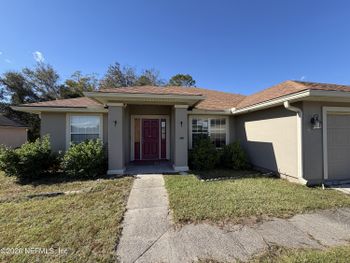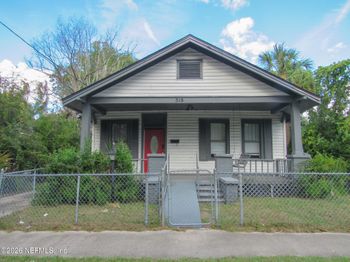


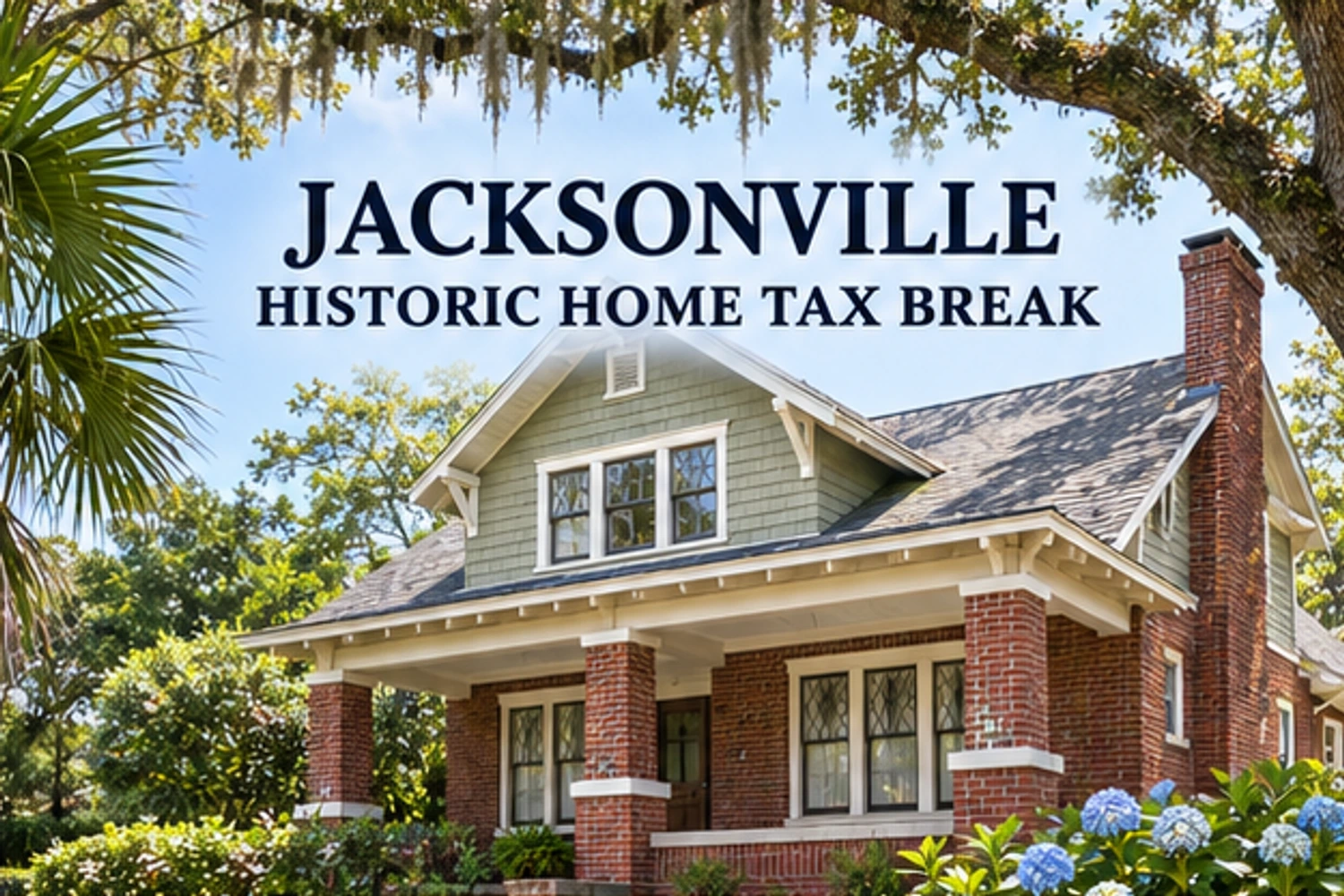
Jacksonville is considering a 10-year property-tax exemption for qualifying rehabilitation at 2131 St. Johns Avenue, a contributing structure in the St. Johns Quarter Historic District. The proposal would exempt 100% of the renovation-related increase in assessed value from eligible city property taxes.
That could make a meaningful difference to an owner's renovation budget. But the tax benefit depends on how much assessed value the improvements add, which may be quite different from what the owner spends.
Ordinance 2026-0900 was introduced November 10 and remained pending as of November 13, with a public hearing scheduled for November 24. The proposal offers a useful example for buyers and owners considering historic Jacksonville properties.
1. How much of a historic renovation gets the tax break?
Under the proposed ordinance, the exemption would apply to the added assessed value attributable to qualifying rehabilitation.
The property's existing assessed-value base would remain taxable. Other taxing authorities could still tax the improvements. The benefit applies to eligible city property taxes for 10 years, rather than eliminating the entire tax bill.
And renovation spending isn't the same as increased assessed value.
An owner might spend heavily on structural repairs, a roof and interior improvements without adding that same dollar amount to the property's assessment. The Property Appraiser determines the value attributable to the qualifying work.
The city's November 10 staff summary identifies January 1, 2027, through December 31, 2036, as the proposed exemption period if the ordinance is enacted in 2026. Under the bill, the 10-year period begins January 1 following enactment.
Before counting on savings, ask what increase in assessed value would qualify and which city tax rate applies. The proposal doesn't establish an actual dollar benefit, provide a cash renovation grant or guarantee a federal tax credit.
2. Can you qualify for the exemption after starting renovations?
Here's where timing can change the financial decision.
Jacksonville's historic preservation incentive program requires the proposed rehabilitation to be reviewed before work begins. City Council approval is also required for the exemption.
An older building doesn't automatically qualify.
The city's program focuses on locally designated historic properties, including designated landmarks and contributing structures in local historic districts. Those designations need to be distinguished from a building's age or its appearance on a national historic listing. Florida's broader statutory eligibility categories don't automatically establish qualification under Jacksonville's local program.
Start with the city's historic property address search, then review its historic designation guidance.
Before hiring contractors or starting demolition, ask the Historic Preservation Section to confirm the property's designation, review the proposed improvements and explain the required approvals. Find out which work qualifies and what preservation obligations will remain afterward.
That conversation belongs near the beginning of a renovation budget, while the scope of work can still change.
3. Does a historic rehabilitation tax exemption survive a sale?
Suppose you're considering an older Jacksonville property that already received a historic rehabilitation exemption. Can you benefit from the remaining years?
Under Florida Statutes Section 196.1997, an approved exemption can continue after ownership changes, provided the property's historic character and qualifying improvements are maintained.
The benefit comes with a binding preservation covenant.
That covenant applies to subsequent purchasers. Violating it can result in repayment of previously exempted taxes plus interest, making the maintenance obligations important to anyone evaluating the purchase.
Before including an existing exemption in your ownership budget, request the approval and recorded covenant. Confirm the remaining exemption period, required maintenance and property-specific tax treatment with the city's preservation staff and Property Appraiser.
A historic designation alone doesn't establish that an exemption was approved.
If you're exploring historic homes for sale in Jacksonville, check each property's designation, renovation history and applicable approvals. Home904 can help buyers compare properties and identify questions to resolve before an offer, while the city and Property Appraiser confirm the official exemption and tax treatment.