



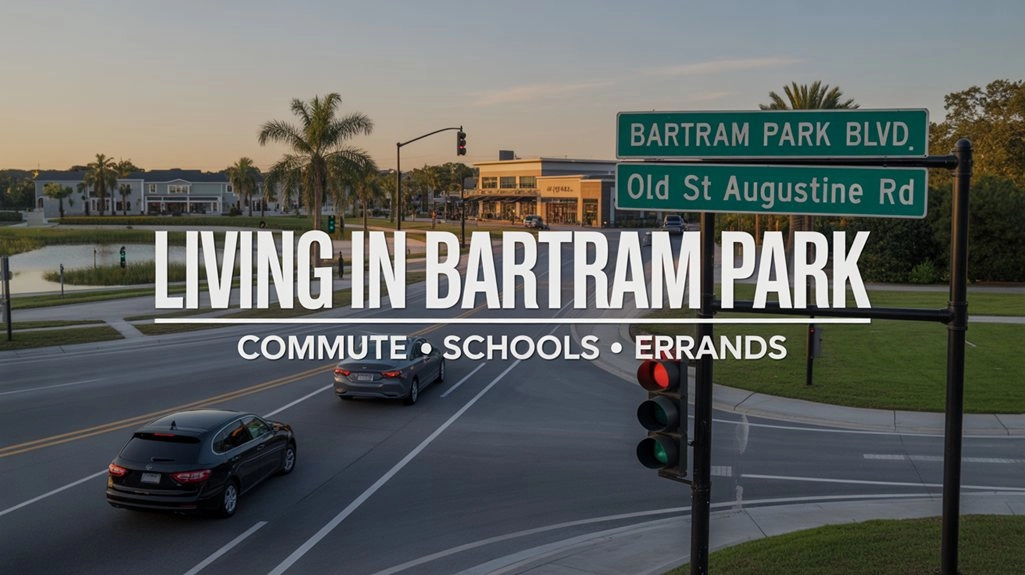
If you’re looking at Bartram Park, you’re probably trying to answer a very practical real estate question: will this area make weekday life easier, or will it add friction you feel every single morning? Bartram Park sits on Jacksonville’s south side, where I-95, Old St. Augustine Rd, US-1 (Philips Hwy), and SR 9B shape how people move. It can feel genuinely convenient, but it’s also a “timing matters” area—especially at the ramps, the main intersections, and the retail entrances where errands concentrate. This guide stays centered on what actually helps a homebuyer decide: commute patterns, school assignment verification by address, and where weekly errands really happen.
Quick orientation: Bartram Park is on the south side of Jacksonville, and most addresses you’ll see called “Bartram Park” are in Duval County even though you’re close to St. Johns. That county line matters for schools, services, and cross-shopping—so treat it as something to verify by address, not something to assume based on a neighborhood name. If you’re relocating and still building your mental map, this overview helps connect the dots: Moving to Northeast Florida.
One quick note for cross-shoppers: some homebuyers compare Bartram Park with nearby St. Johns communities that sit in the same general commute orbit. If that’s you, Bartram Ranch homes for sale is a common “same general map, different county” comparison—just remember school assignments and local services can change when you cross the line.
Bartram Park doesn’t commute like “Jacksonville in general.” It commutes like a place built around a few connectors that many residents end up using. On a normal weekday, most traffic flows toward I-95 ramps, uses Old St. Augustine Rd for schools and errands, and relies on US-1 (Philips Hwy) or SR 9B depending on where work and appointments land.
Most daily driving here falls into one of these patterns. The right one for you depends on your job hub and what time you’re leaving.
In Bartram Park, slowdowns tend to concentrate where a lot of trips overlap: key intersections, ramps, and the entrances to the main shopping centers. These are the locations to pay attention to when you run your tests.
When you’re choosing between two Bartram Park communities, decide what you’re optimizing for: faster I-95 access, easier Old St. Augustine Rd errands, or cleaner SR 9B connections. The better real estate choice is the one that makes your most frequent trip feel simpler on a normal weekday.
Before you do your test drive, pull up FDOT’s live traffic and camera map so you can see what conditions look like in real time. It helps you avoid testing on an unusually quiet day (or an unusually bad one). FDOT live traffic and camera map
Don’t trust the map estimate. Drive it on a normal weekday. Bartram Park is one of those areas where time can disappear at the same two turns. The goal isn’t perfection—it’s understanding what “normal” looks like for your schedule.
If you want an objective reference point, Jacksonville publishes traffic counts that include Old St. Augustine Rd segments near Bartram Park Blvd. City of Jacksonville traffic counts
School conversations in Bartram Park can get messy fast, because people talk about it like it’s one fixed answer. It isn’t. In this part of Jacksonville, school assignment can vary by address. Two homes that feel close can land in different zones here because Bartram Park sits near boundary edges and growth areas. That’s why the address lookup is non-negotiable—especially if you’re cross-shopping into St. Johns communities where the district changes entirely.
In and around Bartram Park, school zoning can change by street and subdivision. Don’t rely on listing data or what “most neighbors” are assigned. Use the district’s address lookup for the exact home you’re considering and save the result.
Check Duval School Locator by address →The most common mistake homebuyers make here is assuming the community name automatically equals a specific school. In reality, assignment depends on the exact address and current zoning boundaries. Even if someone is well-meaning, “We’re zoned for…” isn’t proof for your address.
Before you get attached to a house, take thirty seconds and run the address through Duval’s school locator. Screenshot the result. It saves you from the “wait…why is this different?” moment later. Duval County Public Schools: My School Location (address lookup)
Duval does offer school choice options, but it’s important to separate “available as a program” from “guaranteed for your child at your timing.” If school choice is part of your plan, read the district guidance and confirm what applies to your situation. Duval County Public Schools: School Choice
Here’s the day-to-day truth: Bartram Park is a “stack your errands” area. Most routine errands concentrate along the Old St. Augustine Rd / Bartram Park Blvd spine, so you’re not zig-zagging across town—your week tends to funnel through the same handful of turns. When people say it’s convenient, they usually mean, “I can get groceries, pharmacy, basic services, and an easy dinner without driving all over Jacksonville.”
One of the most common weekly patterns is built around the Shoppes at Bartram Park area on Old St. Augustine Rd—because it’s the kind of place where you can stack errands in one stop. Publix is a major part of that routine for a lot of households. Publix: The Shoppes of Bartram Park
If you want the center-level view of what’s there (and where), Regency Centers publishes the site and address details: Shoppes at Bartram Park (Regency Centers)
The Bartram Park Village area near Old St. Augustine Rd and Bartram Park Blvd is a familiar “meet here after work” spot for locals. It’s not a special-occasion district—it’s a practical hub where you’ll recognize the same parking lots because you’ll use them a lot. If you’re trying to picture routine convenience, drive this area on a weeknight and pay attention to how the entrances and left turns feel.
Even if you love the Bartram Park convenience, you’ll still have “bigger run” days—bulk shopping, home improvement, or errands that don’t fit into one center. If you’re the kind of person who does one bigger Saturday run—bulk groceries, home stuff, all the boring-but-necessary errands—do that drive once from the exact address you’re considering. You’ll know quickly whether it feels easy or frustrating.
Bartram Park gets busiest when the same three things hit at once: school pickup windows, weekday commuter return, and errands. The feel is specific: short backups at signals, queues into shopping center entrances, and a lot of people trying to make quick turns. That doesn’t mean the area stops working—it means the busy moments are concentrated in predictable places.
Do a simple Saturday mid-day run: grocery, pharmacy, quick lunch, then back home. If it feels calm and easy, you’ll probably like Bartram Park’s day-to-day layout. If it feels like constant parking-lot merges and awkward turns, that’s useful information before you commit.
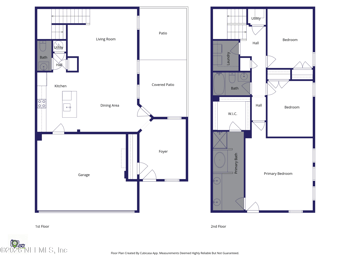
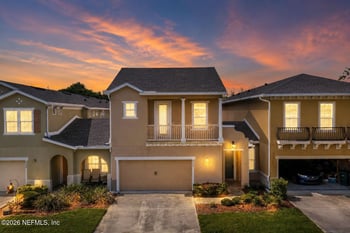
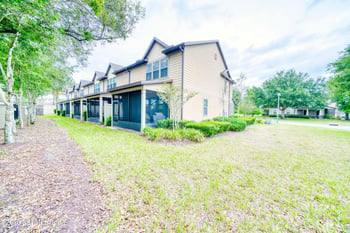
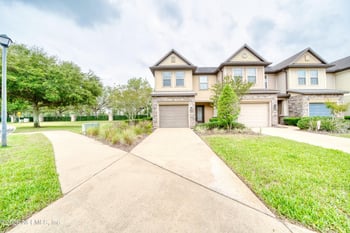
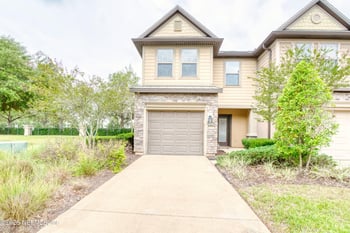
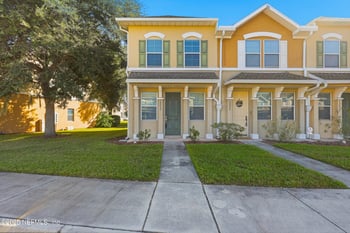
Bartram Park reads “newer Jacksonville” in a way you can see without knowing anything about pricing. You’ll find a mix of subdivisions, townhome communities, and apartment complexes, and a lot of the area follows planned-community patterns: defined entrances, retention ponds, sidewalks in some pockets, and HOA signage at neighborhood entries.
For CDD reference and assessment context, start with the district’s official site, then confirm what applies to the specific property: Bartram Park CDD.
In Bartram Park, HOA presence is common enough that you should treat it as standard due diligence. The daily-life impact isn’t always dramatic, but it can matter a lot depending on how you live: parking habits, guest overflow, work vehicles, exterior changes, and long-term rental flexibility.
The HOA questions that tend to surprise homebuyers are usually about everyday habits: where guests can park, whether work trucks are allowed overnight, whether there are rental caps (or approval requirements), and what changes need architectural approval. If any of those would bother you, get those answers before you negotiate—because they affect daily life, not just paperwork.
This is where street-by-street reality matters. Townhome communities can have tighter parking and visitor overflow at peak times. Apartment-heavy pockets can mean more traffic at the same entrances. And homes closer to major roads can carry more road noise than you’ll notice on a quiet mid-day showing.
If noise matters to you, do a five-minute test: park with the windows up, then down, and listen—especially for steady road hum near main roads. It’s a simple way to avoid buying a home that feels fine at 2 p.m. but different later in the evening.
This is the part that protects you. Bartram Park can be a really comfortable place to live, but only if you confirm the details that can change your costs or your day-to-day freedom. Most of these checks are quick. The key is doing them early, while you still have options.
CDD is one of those terms that gets used loosely in conversation. The practical question is simple: does the specific community you’re buying in have a CDD assessment tied to it? Confirm it by address and by community name, and ask where it appears (often on the tax bill). If you can’t verify it clearly, treat it as an open question until you can. Bartram Park CDD (official site)
Flood risk and storm evacuation planning are two different things, and it’s worth checking both by address. For flood zones, use FEMA’s Flood Map Service Center and search the exact property address. FEMA Flood Map Service Center (address search)
If you want the “how to interpret this without spiraling” version, this guide walks you through what to check and what it actually means: Flood zones in Northeast Florida: how to check a property and what it means
One practical, low-drama check: after a rainy stretch, take a slow drive through and look at how water sits near curb lines, pond edges, and low points near storm drains. You’re not trying to predict storms—you’re just learning how the neighborhood handles normal Florida downpours.
For evacuation zones (storm surge planning), Jacksonville provides an address-based tool: City of Jacksonville: Evacuation Zone Search (by address)
If future appreciation and resale matter to you (even quietly), it’s worth checking what may change around your specific address: planned road work, nearby commercial development, and the kinds of projects that can change traffic and noise. A simple starting point is the City’s neighborhood mapping tools: City of Jacksonville: My Neighborhood map.
If Bartram Park feels close-but-not-quite after you test it, these are a few logical cross-shops homebuyers tend to consider. This isn’t about “better.” It’s about a different daily setup—different roads, different shopping pull, and different school assignment reality.
Mandarin can make sense if you like being in the Southside orbit but want to compare against areas with more established pockets and a different blend of housing styles. If that’s on your list, this is a clean starting point: Living in Mandarin, Jacksonville
If you’re already near the county line, it’s common to compare Bartram Park against newer growth areas in northern St. Johns around Durbin. The upside is access to major new retail. The trade-off is that growth brings construction cycles and changing traffic patterns. Durbin Crossing homes
Some homebuyers cross-shop Bartram Park with St. Johns communities because the decision isn’t just commute—it’s school planning, community layout, and what a normal week feels like. If those are on your shortlist: Julington Creek and Nocatee
Bartram Park works best when you want a predictable routine: a few reliable drive routes, errands you can stack, and neighborhoods that feel organized and maintained. It’s the kind of real estate choice that can feel smoother over time if your job hubs and timing match the road network. But it’s also honest about constraints—if you hit the wrong intersections at the wrong times, you’ll feel it.
If you do the commute tests, verify the schools by address, and run the weekend errands check, you’ll know pretty quickly whether Bartram Park fits your actual life. The goal is less guessing and more confidence before you commit.
An Orange Park home might make sense for someone reporting to Naval Air Station Jacksonville (NAS Jacksonville). Change the destination to Naval Station Mayport, and that same address raises an entirely different set of driving questions.Both jobs are in the Jacksonville area. But they're on different sides of the region's waterways, and the roads connecting them to a home can make all the differ
_0003.jpg)
If you’re shopping in Northeast Florida, “flood zone” comes up fast — usually right after you fall in love with a porch, a backyard, or a commute that finally feels doable. The tricky part is that water risk here isn’t one single thing. In some areas it’s rivers and creeks. In others it’s drainage and street ponding after summer storms. Near the coast, tide timing can change how quickly stormwate
_0003.jpg)
Predictable patterns, Race Track Road, and the windows that shape day-to-day life.Julington Creek is a place where the week runs on predictable patterns. You can feel it most on Race Track Road—calm in the middle of the day, then suddenly busy when school lets out and everyone's trying to do the same things at the same time. If you like a steady routine, this area tends to feel easy once you lear

If you’re cross-shopping Nocatee, Bartram Park, and Durbin, you’re usually not trying to crown a winner. You’re trying to figure out which one fits your weekdays without turning every morning into a strategy session. This is a decision article built around three things that actually change the outcome in real estate: commute routes that behave differently at peak hour, school assignment by addre