$899,900
Active
--
Beds
--
Baths
--
Sqft
7.5
Acres
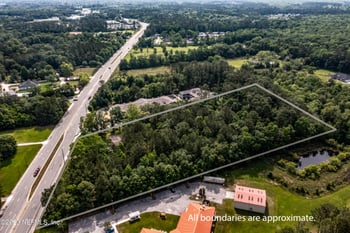
0 Idlewild Ave, Green Cove Springs, FL 32043
MLS#: 2037728


_0002.jpg)
If you’re seeing listings described as “near SR-23” or “close to the First Coast Expressway,” the real question isn’t whether the road is “good” or “bad” for values. It’s whether that specific home sits in a location pattern that tends to trade at a premium (easy access and smoother routines) or a discount (noise, visibility, shortcut traffic, and friction you feel every week). This guide breaks SR-23 proximity into four simple zones you can map onto any address in Clay or St. Johns County, then gives you a practical way to evaluate a property so you don’t buy the downside by accident.
When I say “value” here, I’m not predicting the market. I’m talking about buyer behavior: what people tend to pay more for, what makes them hesitate, and what shows up as negotiating points once they stand on the back patio and listen.
SR-23 (the First Coast Expressway) is a limited-access, tolled expressway that connects into familiar local roads—Normandy (SR-228), Argyle Forest, Oakleaf Plantation Parkway, Blanding (SR-21), and US-17—then continues south with additional segments that include major crossing work over the St. Johns River and a future connection toward I-95. You don’t need every project detail for this article, but you do need enough orientation to look at a listing and say, “Okay—this home is actually positioned for access,” or “This home is only close enough to pick up noise and shortcut traffic.”
A quick local reality check: buyers don’t feel “SR-23” as a concept. They feel what it does to their route choices—how they get to groceries, school drop-off, Orange Park errands, a Jacksonville commute, or getting across the river without burning extra time on roads that stack up at the wrong hour.
Here’s the easiest way to keep this grounded: instead of asking “Is SR-23 good for home values?”, place the home into one of these four zones. Each zone comes with a predictable set of buyer reactions—some positive, some cautious, and some that show up as resale friction.
Quick fork that matters: If you won’t use toll roads for daily driving, treat SR-23 as a background feature. You can still get the edge-zone downside without ever getting the access benefit. If you will use tolls, the “value” often comes down to how clean the on/off pattern is from your neighborhood to your real routes.
This is where SR-23 tends to feel like a plus. Buyers are usually paying for time saved and easier routing—especially when the interchange actually matches how they live. The key is “clean access”: not just proximity on a map, but a route that doesn’t involve a frustrating chain of lights, awkward turns, and peak-hour bottlenecks before you even reach the ramp.
This is where the downside shows up. Buyers tend to discount for sound, headlights, a back fence that feels exposed, and neighborhood traffic that changes once drivers figure out shortcuts. In local conversations you’ll hear versions of the same theme: “It’s close, but how close is it really?” That question is usually about backyard orientation, elevation, and whether there’s a meaningful buffer—not just distance.
A lot of the “value impact” isn’t the expressway itself—it’s what happens on the roads you use to reach it, or the roads it takes pressure off. In Clay County, CR-220 and Blanding (SR-21) show up constantly in real life routing decisions. US-17 and SR-16 matter too, depending on where you’re starting and where you’re going. This zone is about whether SR-23 makes your weekly routines feel more predictable or just reroutes traffic onto your approach roads.
In the growth zone, the “value” effect is less about prices rising and more about how the area changes around you. New connections often pull in convenience retail and services, but they also increase trip counts, turning movements, and congestion at certain intersections. The right mindset here is verification: what’s planned, where, and how close to the neighborhoods you’re considering.
Don’t rely on the listing description. “Near SR-23” can mean five different things depending on the neighborhood layout and where the home sits. Use a quick map check to identify your zone, then do an on-site test when noise and traffic actually show up. This takes 15–30 minutes and answers questions buyers usually only learn after closing.
One important boundary: don’t assume a noise wall or buffer is planned just because the expressway is nearby. Treat sound mitigation as a verify-first feature—sometimes it exists, sometimes it doesn’t, and sometimes the lot orientation matters more than the barrier.
When SR-23 helps values, it usually happens in boring, practical ways: fewer stressful turns, fewer “I’m stuck behind this light again” moments, and a route that feels consistent week to week. In Clay County, you’ll hear people talk about how often their life revolves around a handful of corridors—CR-220 for errands, Blanding (SR-21) for a big swath of daily traffic, and US-17 depending on whether you’re heading toward Orange Park, Fleming Island, or points north.
This is where “clean access” matters. Buyers react well when a neighborhood has a straightforward path to an interchange without having to cross multiple high-friction intersections. If a home sits close enough to benefit but far enough to avoid edge-zone drawbacks, it tends to feel like the best of both worlds.
A common local conversation goes like this: “It’s near the expressway, but do we actually use it?” If the answer is no—because of toll preference, commute direction, or daily patterns—then the interchange benefit may not translate into buyer willingness to pay more.
Edge-zone homes can still be great homes, but they tend to face more scrutiny. Buyers who are otherwise ready to move fast slow down when they can see the roadway from the backyard, hear a constant hum, or notice headlights sweeping across the fence line at night. Even people who tell you “noise doesn’t bother me” often react differently after ten minutes standing outside.
Cut-through traffic is the other piece that sneaks up on people. In neighborhoods with multiple entrances and a straight-shot layout, drivers naturally start using the same streets as connectors once the ramp becomes part of the local driving pattern. That changes the feel of a street—especially for homes on corners, near the first few stop signs, or along the most direct route to the main exit.
If you’ve been looking in newer master-planned areas, you’ve probably seen buyers trading notes about this exact topic—especially where construction activity or proximity is obvious. The useful approach is simple: treat the edge-zone as something you can test and verify, not something you argue about online.
For Clay and northern St. Johns County homebuyers, SR-23 matters most when it changes the “last miles” on the roads you repeat every week. People don’t describe their day-to-day life as “I drive on SR-23.” They describe it as “CR-220 is stacked,” “Blanding is a mess at the wrong hour,” or “US-17 is fine until you hit a certain stretch.” That’s why this feeder-road zone is often the most honest place to evaluate the real-life impact.
There are also interchange designs along the corridor that change how driving feels—most people don’t care what the design is called, they just care whether a turn becomes easier or more confusing the first few times they do it. The point here isn’t engineering. It’s predictability: can you get from your home to your most common destinations without a daily “what am I walking into today?” moment.
If you’re comparing Clay versus St. Johns options, this is usually where the decision becomes emotional in a practical way: buyers want a week that feels manageable. They don’t want to win the house and lose the routine.
New access tends to pull everyday services closer over time—things like grocery-adjacent retail, quick-service food, and convenience stops that make errands feel shorter. That can be a real quality-of-life plus, especially if you’re moving from an area where “a simple run to grab something” turns into a 30-minute commitment.
But it’s also fair to name the trade-off: more rooftops and more retail means more turning movements, more traffic at certain intersections, and more chance that a quiet approach road becomes a busier connector. Buyers who feel good about this zone usually aren’t chasing “growth” as an investment story. They’re looking for convenience without chaos.
If your target neighborhood backs up to an active build zone, treat it like buying next to a remodel: temporary disruption can be manageable, but only if you understand where work zones and access changes are likely to show up relative to the home’s outdoor space and street approach.
If your goal is “I want the access benefit,” you’re usually looking for a home that sits close enough to reach the ramp easily but not so close that the roadway becomes part of the backyard experience. In practice, buyers tend to feel best about:
SR-23 isn’t a magic value lever, and it isn’t automatically a drawback. It’s a location feature that buyers react to in predictable ways once they understand access, noise, daily routing, and what’s likely to change nearby. If you map the listing into the right zone, run a short on-site test, and verify the few things that people tend to assume, you’ll be ahead of most buyers—especially the ones who only realize what “near SR-23” means after they move in.
If you’re actively comparing neighborhoods in Clay or St. Johns County and want help placing a few listings into the right zone, scroll down into the homes for sale section and shortlist the ones that match your daily routes. The right fit usually becomes obvious once you start judging homes by routines instead of hype.
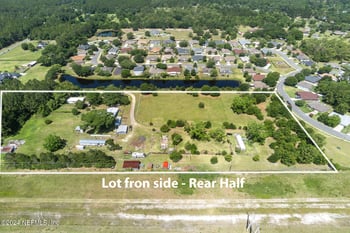
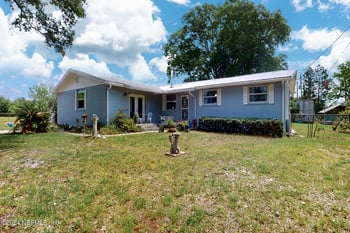
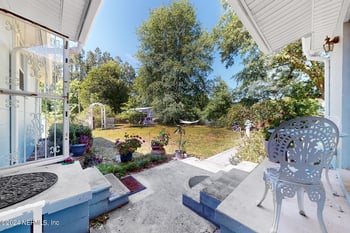
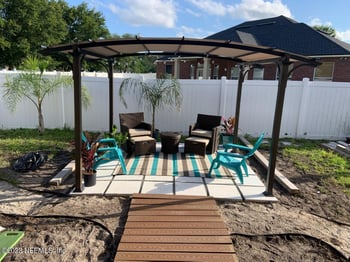
These are the questions that come up most when a listing says “near SR-23.” The answers stay focused on what you can verify, what you can test on-site, and what tends to influence buyer comfort and resale appeal.
No. SR-23 affects homes differently depending on the location pattern. Homes that get clean, practical access without noise or visibility drawbacks often feel more desirable to buyers. Homes that sit in the ramp/edge zone can face more buyer hesitation because sound, headlights, and shortcut traffic show up in daily life. The safest approach is to map the home into a zone (interchange, edge, feeder-road, or growth), then verify what’s actually true at that address.
There isn’t one universal distance, because lot orientation and what sits between the home and the roadway matter more than a number. A backyard facing the corridor with minimal buffer tends to feel “closer” than a home that’s technically nearby but shielded by trees, berms, elevation changes, or other streets. The most reliable test is to stand in the backyard and listen, then check line-of-sight for headlights and motion—especially if outdoor living space is a priority for you.
Don’t assume they’re guaranteed. Treat noise walls, berms, and buffers as verify-first features. Some areas may have mitigation, while others rely on setback, elevation, vegetation, or the layout of nearby development. If you’re evaluating a specific listing, use official corridor resources and local project pages to confirm what’s mapped and what’s already built where you’re buying.
For official project context and maps, start with Florida’s Turnpike Enterprise: First Coast Expressway and NEFLRoads project details.
It can, but in a different way. If you won’t use tolls, you may not get the access benefit that makes the interchange zone attractive to buyers—yet you can still be close enough to feel edge-zone effects like noise, visibility, or changing neighborhood traffic patterns. If you’re unsure how you’ll use it, it’s worth deciding early whether SR-23 is part of your routine or just something you’ll cross occasionally.
If you want a simple overview of tolling and payment options, see SunPass tolling basics.
Most homebuyers feel the feeder roads more than the expressway itself. CR-220 and Blanding (SR-21) tend to shape errands and weekday routing for a lot of Clay County households. US-17 and SR-16 matter depending on whether your regular pattern pulls you toward Fleming Island/Orange Park, north toward Jacksonville, or across to other parts of the region. When SR-23 changes “value,” it’s often because it changes the pressure and predictability on these feeder routes—not because the expressway name is attached to a listing.
Look at neighborhood circulation. Areas with multiple entrances, straight collector streets, and a direct line toward a ramp are more likely to pick up cut-through traffic once drivers learn the shortcuts. The best test is an on-site drive: approach the neighborhood the way you’d leave for work or school, then watch whether non-resident traffic seems to be using the same streets as connectors. Homes near the first few stop signs, corners, and main internal connectors tend to feel the change first.
Do a short, focused visit when daily-life downsides show up. Stand in the backyard and listen. Check whether you can see the roadway or whether headlights will sweep across the outdoor space at night. Walk the street and watch speed and traffic behavior. Then drive the “last miles” route you’ll use most—especially the final two intersections before the neighborhood entrance—because that’s where frustration tends to build.
Start with official county and project pages so you’re not guessing based on rumors or a single map screenshot. You’re looking for roadway expansion notes, planned connectors, and public-facing project updates that can change traffic patterns near your target neighborhood. If you’re buying close to an interchange, it’s also smart to ask what frontage or nearby parcels are designated for future commercial use, because that can change turning movements and congestion even if the home itself stays quiet.
Useful starting points: Clay County infrastructure, St. Johns County CR-2209 expansion, and NEFLRoads project details.
Buyers usually respond best to “buffered convenience”: homes that are close enough to reach the ramp without a frustrating approach route, but far enough that SR-23 isn’t part of the backyard experience. In practical terms, that often means interior streets, meaningful tree/berm separation, no direct line-of-sight to travel lanes, and a neighborhood layout that doesn’t funnel shortcut traffic past the front door. Those patterns tend to feel easier to live with and easier to explain to the next buyer.