Listings
Market Stats
Popular Searches
Information

Ponte Vedra Beach Homes for Sale in Ponte Vedra Beach, FL – Coastal Living & Premier Communities

Home

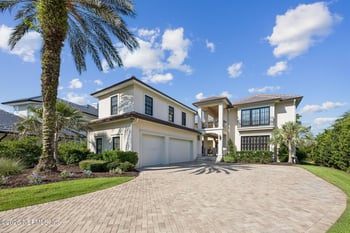
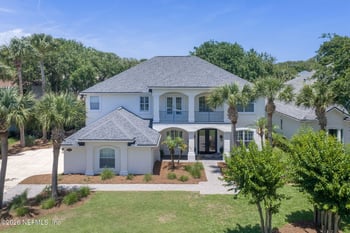
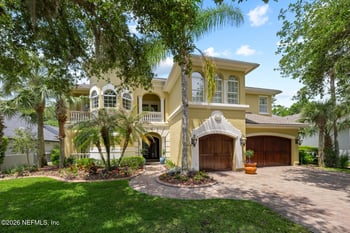
Ponte Vedra Beach homes for sale line a coastal stretch where dunes, palms, and morning ocean light shape a structured rhythm. Whether you are East of A1A near the sand or in the club communities like Sawgrass and Marsh Landing to the west, buyers come for oceanfront and Intracoastal homes, low-slope coastal architecture, and the calm you feel near the GTM Reserve. Daily routes run smoothly toward the Mayo Clinic campus or St. Johns Town Center, backed by the strength of **St. Johns County schools**. Buyers here balance the trade-offs of ocean exposure and insurance realities with the exclusive, membership-driven lifestyle of the area’s key clubs. This combination of structure and quiet pace is what defines coastal living in Ponte Vedra Beach. Scroll below to see current listings.
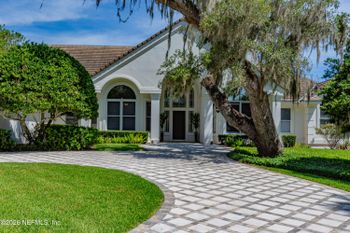
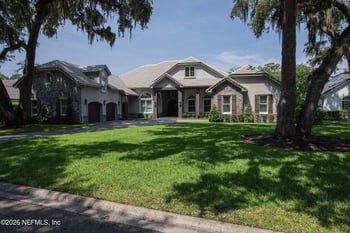
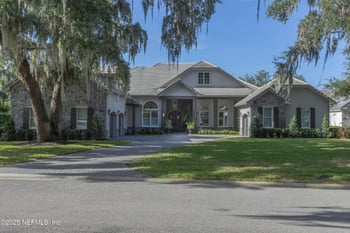
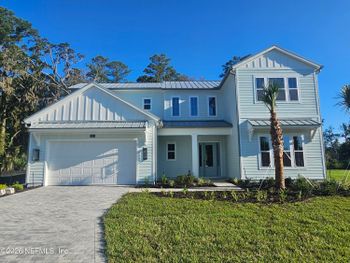
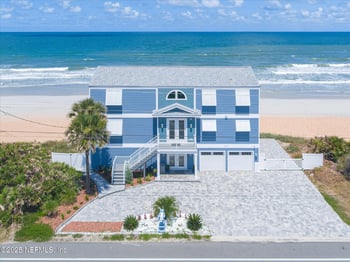
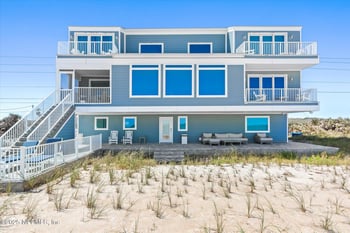
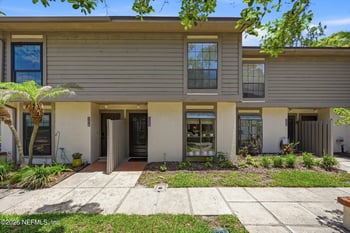
Latest Homes for Sale in Ponte Vedra Beach FL

342 Properties Found
Sort By:

Current Real Estate Statistics for Homes in Ponte Vedra Beach, FL

342
Homes Listed
48
Avg. Days on Site
$556
Avg. $ / Sq.Ft.
$1,796,996
Med. List Price

Ponte Vedra Beach Snapshot (What Buyers Figure Out Fast)

East of A1A vs. West of A1A (How Your Week Feels)

Most searches end up sorting around A1A. East of A1A, you notice salt air, brighter mornings, and how often you can slip out for a quick beach walk. West of A1A, neighborhoods feel more sheltered and “contained,” with looped streets, landscaping, and a quieter residential pace that leans more toward clubs and amenities than sand access.

Clubs and Membership (Ask This Before You Fall in Love)

Sawgrass, the TPC-area neighborhoods, and the Ponte Vedra Inn & Club shape a lot of social life here, even for people who don’t golf every week. The buyer-protective move is simple: confirm whether membership is optional or required, and get current terms directly from the club so “amenities” doesn’t turn into a surprise line item later.

GTM + Marsh Views (The Quiet Side of Coastal Living)

The Guana Tolomato Matanzas (GTM) Reserve and the Intracoastal corridor keep a long stretch of the area open and natural. Homes near marsh edges often feel calmer at night, with fewer headlights passing by and wide sunset views. If you want coastal living without constant activity, this is one of the strongest “feel it in your day” advantages.

Why People Choose Ponte Vedra Beach (The Real Short List)

Buyers usually land here for schools, a calm coastal routine, or a club-centered lifestyle with golf, tennis, and dining built into the week. The quickest way to shop smart is to pick your “version” of Ponte Vedra Beach first (ocean, near-ocean, club communities, marsh-edge), then compare homes inside that lane instead of bouncing between totally different setups.

Ponte Vedra Beach Living Styles (The Shortlist Most Buyers End Up Making)

Oceanfront

Typical locations: Ponte Vedra Boulevard and streets directly facing the shoreline.

Street feel & exposure: Stronger wind, brighter light, and direct salt exposure. Between walkovers, it can feel surprisingly private.

Day-to-day living: Morning walks become the default, and you start checking weather before you plan anything outdoors.

Upkeep & due diligence: Exterior materials, roof condition, window/door systems, elevation, and flood mapping matter more here than buyers expect. Loop insurance into the decision early.

Near-Ocean (East of A1A, Interior Streets)

Typical locations: Interior streets just off Ponte Vedra Boulevard and other pockets east of A1A without direct frontage.

Street feel & exposure: More shade and shelter than oceanfront rows, with a stronger “neighborhood” feel.

Day-to-day living: Beach time fits into a normal week, and evenings feel quieter once the day visitors clear out.

Upkeep & due diligence: Still coastal, just more moderate. Buyers often check drainage patterns, tree canopy, and ARB rules early if a pool or exterior updates are part of the plan.

West of A1A Club Communities

Typical locations: Sawgrass, the TPC-area neighborhoods, The Plantation, and similar gated communities.

Street feel & exposure: Controlled entries, slower traffic, and a more “managed” look driven by landscaping and neighborhood standards.

Day-to-day living: Workouts, tennis, and dinner plans stay close. You see neighbors out walking at dusk because the streets feel built for it.

Upkeep & due diligence: HOA/ARB rules matter. Confirm what’s enforced, what approvals are required, and whether club membership is optional or required before you assume anything.

Marsh-Edge / Intracoastal-Edge

Typical locations: Marsh Landing and pockets near the Intracoastal and GTM corridor.

Street feel & exposure: Wide views, steady breezes, and less through-traffic. Nights can feel quieter, especially on streets that back to marsh.

Day-to-day living: More porch-and-view living than beach routines, with trail time and quick drives to the coast when you want it.

Upkeep & due diligence: Vegetation and moisture influence maintenance. Many buyers check flood mapping and county parcel tools to understand wetlands, drainage, and lot-specific conditions.

Quick Facts (The Buyer Checklist Version)

Main Areas Buyers Ask About

Old Ponte Vedra near Ponte Vedra Boulevard; Sawgrass and the TPC-area communities off A1A; The Plantation at Ponte Vedra Beach; Marsh Landing along the Intracoastal; and southern coastal pockets near Mickler’s Landing and the GTM corridor.

Getting Around (What You’ll Use Most)

A1A, Solana Road, and Palm Valley Road carry most day-to-day traffic. You feel it most at school drop-off and on busy weekends, especially when you’re crossing Palm Valley Bridge.

Schools (Verify by Address)

Treat school assignment like a must-check item, not a guess. Confirm the exact zoning by address through the official portal at St. Johns County School District zoning. Boundaries and capacity plans can change, so verify close to closing.

Beach Restoration (A Practical 2026 Context)

St. Johns County completed a major shoreline restoration project in the Ponte Vedra Beach area, adding roughly 2 million cubic yards of sand and widening the beach in key stretches. If erosion is on your checklist, review the project details at St. Johns County Beach Restoration.

Buyer Notes (Due Diligence That Saves Regret)

Coastal exposure changes block by block. Walk the street around sunrise and again near dusk, then read HOA/ARB rules before you assume a pool, fence, or exterior change is “easy.” For flood zones and map tools, start with FEMA Flood Map Service Center.

Insurance + Wind Mitigation (What to Ask For)

Ask whether the seller has a current wind mitigation report, and what opening protection and water-intrusion safeguards are in place. In coastal Florida, the paperwork and the build details matter as much as the layout when you’re planning long-term ownership.

Cross-Shopping Nearby (Keep It Simple)

Some buyers also tour Jacksonville Beach for a more active, walk-out-the-door feel, or Nocatee for newer master-planned neighborhoods west of the Intracoastal. If you compare, treat HOA structure and any CDD-style assessments as must-check items, not assumptions.

Daily Life in Ponte Vedra Beach (What a Normal Week Looks Like)

Ponte Vedra Beach tends to feel calm on purpose. Most days are not built around “doing everything” — they’re built around doing a few things well: school mornings that run on routine, a quick errand loop that doesn’t require planning, and a coast that’s close enough to use on a random Tuesday, not just on weekends.

A typical weekday starts early. You’ll see porch lights on, people walking dogs before the sun gets high, and families moving toward school drop-offs. After that, the area settles into a quieter pace. If you live closer to A1A, you notice the ocean air and how often you can work a short beach walk into your day. If you’re farther west, streets feel more sheltered and landscaped, and the “neighborhood” part of life shows up more — walkers at dusk, slower traffic, and a little less weather exposure.

Errands are straightforward here, which is part of the appeal. Sawgrass Village is a common default for groceries, coffee, and quick dinners, and A1A is the main north-south line you’ll use without thinking about it. Palm Valley Road and the Palm Valley Bridge are the other “day-to-day” names locals mention because that’s your practical connector toward the Intracoastal side — especially when you’re heading inland for more options and don’t want to run A1A for everything.

What surprises a lot of buyers is how much “nature” is still baked into the week. The GTM Reserve gives you an easy option for trails and quiet when you want a break from polished neighborhoods and club schedules. Even if you’re not a “hiker,” it’s the kind of place that becomes a simple reset — a morning walk, a sunset drive, a marsh view that reminds you you’re living next to protected land, not just another coastal ZIP code.

  • It’s mostly low-drama living. The days feel consistent, and that’s a feature for a lot of buyers.
  • Location inside Ponte Vedra Beach matters. East vs. west of A1A changes exposure, street feel, and how often you naturally end up at the beach.
  • Your week will still have “busy pockets.” School-hour traffic and major event weeks can make certain corridors feel tighter than you expected.

If you’re shopping homes here, the best approach is to picture your normal week first — then match neighborhoods to that. The listing photos will look great in a lot of places. The difference is whether the day-to-day version of Ponte Vedra Beach fits you once the novelty wears off.

Helpful local reference: Guana Tolomato Matanzas National Estuarine Research Reserve (GTM)

Beach Access Without Guessing (Mickler’s, Guana, and the Walkovers People Use)

One thing that trips up first-time Ponte Vedra Beach shoppers is assuming “being near the ocean” automatically means you’ll use the beach all the time. In real life, beach days usually come down to one practical question: how easy is it to get on the sand without turning it into a project? That’s why locals talk about access points by name, not by vibes.

For a lot of households, Mickler’s Landing is the default. It’s the kind of place you use when you want a straightforward beach day: park, rinse off, head home without feeling like you have to plan around anything. It’s popular for a reason, and the only “local knowledge” you really need is timing—if you roll up late on a perfect weekend day, you’ll feel it. If you hit it early, it’s easy. On peak days, it’s worth checking St. Johns County beach parking updates before you leave the house. You can check the county’s current info here: Mickler’s Landing (St. Johns County).

Then there’s the Guana / GTM side. This is where people go when they want the beach to feel quieter and more natural—less “beach day,” more “walk and clear your head.” The access points along the GTM corridor tend to feel more like a quick escape: pull in, cross the dunes, and suddenly you’re in your own space with more sky and fewer distractions. If you’re the type who imagines early morning walks or sunset walks being part of your normal life, this is the area that usually matches that picture. Helpful reference: GTM Reserve (Guana Tolomato Matanzas).

The third category is what I’d call the “walkover habit.” In parts of Ponte Vedra Beach, the beach becomes something you slip into because you’re close to a dune crossing and you can fit it into a regular day—ten minutes of ocean air after dinner, a quick loop before work, a barefoot walk when it cools off. This is where shopping gets specific: two homes can look similar on paper, but one feels beach-adjacent in real life because the access is simple, and the other feels like “we’ll do it on weekends” because you have to drive and hunt for a spot.

Quick ways buyers tell if beach access will actually stick
  • Do you have a “default” access point? If you can’t name it, you probably won’t use the beach as often as you think.
  • Is it a quick stop or a half-day event? Mickler’s is usually the easiest “family beach day” option; Guana often fits the “quiet walk” version.
  • Does it work on a normal weekday? The beach becomes part of life when you can do it without rearranging your whole schedule.

If beach time is part of your “why,” shop like someone who will actually use it. When you tour a home, don’t just drive the house—drive the route you’d take to the sand, and do it at the time you’d normally go. You’ll learn more from that five-minute reality check than you will from any listing photo.

Buyer-protective note: if you’re deciding between two pockets, ask your agent to map two access options for each one—your “easy” option and your “backup” option—so you’re not relying on a single plan that only works on perfect days.

Errands and the Daily Defaults (Why Sawgrass Village Comes Up So Often)

Ponte Vedra Beach isn’t the kind of place where you have ten different “main streets.” Day-to-day life usually settles into a few dependable loops, and once you live here you’ll hear the same names come up over and over. It’s not because locals lack imagination — it’s because these are the places that make normal life easy without pulling you into Jacksonville traffic every time you need one thing.

Sawgrass Village is the clearest example. It’s the practical hub people default to for groceries, a coffee run, a quick dinner, or that last-minute “we’re out of everything” stop. Over time it’s also become a casual meet-up spot — the kind of place where you’re just as likely to run into someone you know as you are to grab what you came for. If you’re trying to picture your week here, this is one of the easiest places to watch it actually happen.

Outside of that, a lot of errands get split by how you naturally move through the area. If you’re already on A1A, you tend to stack stops along the coast and keep it simple. If you’re heading across Palm Valley Road and the Palm Valley Bridge, that’s when the menu of options expands fast — especially for bigger “stock up” runs when you want more choice in one trip. That bridge run is a real part of the routine for a lot of households now, and it’s why that corridor quietly matters even if your home base is close to the sand.

How locals usually run errands (the realistic version)
  • Quick “in-and-out” stop: Groceries, pharmacy, coffee, and quick dinners around Sawgrass Village.
  • The bridge run: Crossing Palm Valley when you want more options in one trip and don’t want to rely on A1A for everything.
  • The A1A stack: Grouping coastal stops so you’re not making multiple short drives during peak school-hour traffic.

The buyer takeaway is simple: don’t just fall in love with a floor plan — picture your default errands. If you’re someone who values “easy and close,” you’ll care how quickly you can hit your core stops without thinking. If you don’t mind an inland run to keep your home base quieter, the way you’ll use Palm Valley changes how you evaluate location inside Ponte Vedra Beach.

When you tour, try this: after you leave the showing, do the run you’d do on a normal weeknight — groceries, coffee, one quick stop — and see how it feels. That little reality check tells you more about fit than any listing description ever will.

East of A1A vs. West of A1A (What Changes Day to Day)

This is the decision most Ponte Vedra Beach buyers don’t realize they’re making at first. Two homes can look equally “right” online and still feel completely different once you live there — because A1A is a lifestyle line. One side leans beach-first; the other side leans neighborhood-first.

The simplest way to think about it: East of A1A gives you more “grab a towel and go” living, but you’re closer to salt air and wind exposure. West of A1A tends to feel more tucked away — more canopy, more quiet streets, and often a more managed neighborhood setup — but the beach is usually something you plan instead of something you stumble into.

East of A1A (Beach-First Living)
  • How it feels: Brighter mornings, more open sky, and that “we could be on the sand before breakfast” mindset.
  • What you’ll notice: Salt air shows up in small ways — hardware, screens, outdoor fixtures, and AC coils tend to need more attention over time.
  • Movement pattern: You naturally stack your day around the coastal loop — quick walks, a short errand run, and then back home.
  • Trade-off: More exposure to wind and weather. After storms, you tend to notice cleanup cycles sooner on this side.

Neighborly tip: If beach time is part of your “why,” this side usually makes it a habit instead of a once-in-a-while plan.

West of A1A (Neighborhood-First Living)
  • How it feels: More shade, more “tucked away” streets, and a calmer residential vibe — especially in gated and golf communities like Marsh Landing and parts of Sawgrass.
  • What you’ll notice: Less direct salt exposure, but more canopy and landscaping realities — leaf drop, oak pollen, and irrigation become part of normal upkeep.
  • Movement pattern: Errands and “bigger stock-up” runs often route through Palm Valley Road and across the Palm Valley Bridge when you want more options in one trip.
  • Trade-off: The beach is still close, but you’ll usually drive to an access point instead of slipping out spontaneously.

Neighborly tip: If you want a quieter home base and you like the “managed neighborhood” feel, this side tends to live easier over the long run.

The quick decision test (use this during showings)
  • If you’ll actually use the beach weekly: Prioritize east-of-A1A pockets and make “easy access” a non-negotiable.
  • If you want quieter streets and a more contained feel: Prioritize west-of-A1A communities and read HOA/ARB rules early.
  • The friction test: Do the same “normal week” drive from the house — one school-hour errand run and one weekend run. The side that feels like less work is usually your match.

One last thing buyers learn fast: west of A1A doesn’t automatically mean “less.” Some of the most private, established, security-focused neighborhoods sit on that side. The smart move is to choose the version of daily life you want first — then compare homes inside that lane instead of bouncing across A1A and wondering why everything feels inconsistent.

Schools Without Guesswork (Why “Verify by Address” Matters)

In Ponte Vedra Beach, “good schools” is usually the baseline. The part that actually changes outcomes is the exact address. Two homes can feel like the same pocket, show up in the same search, and still land in different attendance zones. That’s why locals don’t debate schools in general terms — they verify the address and move on.

Here’s the buyer-protective move: before you get emotionally attached to a house, run the address through the district’s Attendance Zone Locator. Save the result for your file. If you’re buying during a year when boundaries are being adjusted, verify again close to closing. St. Johns County Schools Attendance Zone Locator

This matters even more right now because zoning isn’t frozen in time. St. Johns County has published planning updates tied to new school openings for the 2026–2027 year, including the new K–8 school referenced as “RR” in district materials. In plain English: if a home is near a growth corridor, you want the current zone assignment from the official tool — not a guess from a listing, a neighbor, or an old screenshot.

What buyers assume
  • “A Ponte Vedra address means the same schools.”
  • “If it’s close, it must be the same track.”
  • “The listing mentions schools, so we’re set.”
  • “My friend’s kids go there, so this house will too.”
What locals actually do
  • Run the address in the Attendance Zone Locator and save the result (PDF/screenshot).
  • Verify the full path (elementary, middle, and high) — not just one school name.
  • Double-check boundary-line homes by calling the school or district office if anything looks unclear.
  • Re-check close to closing if you’re buying during a year with boundary updates.

One more practical note: in a fast-growing district, “great schools” and “simple enrollment” are not always the same thing. Some campuses manage growth with phased changes, new boundary maps, or enrollment guidance that’s time-sensitive. That’s not a reason to panic — it’s just a reason to treat zoning verification like inspections and HOA documents: part of normal due diligence.

If schools are a top reason you’re buying here, make this your non-negotiable: verify the address before you offer, and keep the proof in your file. It’s a small step that protects the whole move.

Helpful district resources: Enrollment Information  |  Zoning / Attendance

Clubs and Membership (What You Get, What You Don’t, and What to Ask)

In Ponte Vedra Beach, clubs aren’t just a “nice extra” — they’re part of how the area works. Even if you never play golf, you’ll notice how much of the local social calendar, tennis culture, fitness routines, and “where are we meeting for dinner?” plans orbit a few familiar names. The important part for buyers is simple: membership rules vary, and assumptions get expensive fast.

The biggest misconception is that buying in a neighborhood automatically means you “get the club.” In real life, ownership is not the same thing as membership. Some neighborhoods are closely associated with a club, some aren’t. Some memberships are optional, some have structured pathways, and availability can change. If club access is part of why you’re moving here, do one simple thing early: call the club and ask them to email you the current membership terms.

The names you’ll hear most
  • Sawgrass Country Club (the classic Ponte Vedra Beach club reference point)
  • Marsh Landing Country Club (often paired with a quieter, gated feel)
  • Ponte Vedra Inn & Club (a resort-style option that still matters locally)
  • TPC Sawgrass (the tournament venue; not the same thing as neighborhood club membership)

In the right pockets, these places shape real life: where you meet friends, where kids take lessons, and where weekends naturally happen.

What to ask before you assume
  • Is membership optional or expected in this neighborhood’s typical lifestyle?
  • Is there a waitlist right now, and what does that mean in real life?
  • What membership options exist (golf, tennis, social) and what do they include?
  • What are the costs up front vs. ongoing (initiation, dues, minimums, assessments)?
  • Does anything transfer with the home, or is membership completely separate?
  • What do buyers miss (guest rules, dining minimums, seasonal policies, etc.)?

Neighborly tip: don’t rely on rumor. Clubs will tell you the truth in two minutes.

Quick clarification people new to the area miss

You’ll hear the word “Sawgrass” used a lot, and it can sound like it’s all one thing. It isn’t. TPC Sawgrass is the tournament venue. Sawgrass Country Club is a separate membership club. The names overlap in conversation, but access is different — so it’s worth asking which one someone means.

One more local reality: certain weeks get busier, and reservations can get tighter — especially around major events. It’s not a problem, but it’s part of living in a place where the club scene is real and the calendar matters.

Buyer-protective checklist (fast and practical)
  • Ask your agent which club(s) buyers in that specific neighborhood typically join (if any).
  • Call the club directly and request the current membership outline in writing.
  • Confirm availability (open, limited, waitlisted) before you make “club life” part of your plan.
  • Don’t assume the neighborhood name equals automatic access.

Official references: Sawgrass Country Club  |  Marsh Landing Country Club  |  Ponte Vedra Inn & Club  |  TPC Sawgrass

The Shoreline Work (What Changed, and Why Buyers Actually Care)

If you’re buying in Ponte Vedra Beach, the shoreline question is never just “is the beach pretty?” It’s the quieter, more practical version: Is this stretch being actively managed, or am I guessing what the next big storm does to the coastline around me? That’s why the county’s beach restoration work matters. Not as a headline — as a real “how protected is this place?” signal.

St. Johns County completed a major Ponte Vedra Beach Restoration Project that rebuilt storm protection features like the dunes and berm and placed about 2 million cubic yards of sand along the shoreline. The project area runs from the Duval County line down to the GTM Reserve—so it’s not a tiny patch. It’s a county-scale effort to keep this shoreline in a managed, maintainable condition over time. Ponte Vedra Beach Restoration Project (St. Johns County)

What the project actually did
  • Rebuilt dune and berm storm buffers so the beach can absorb energy before neighborhoods do.
  • Placed beach-compatible sand to restore width and improve day-to-day shoreline conditions.
  • Put the area into an “engineered beach” framework—meaning there’s a defined approach for monitoring and future repair cycles.

County completion update: Completed two months ahead of schedule

Why this matters to a buyer
  • Less “unknown factor.” You’re buying into a shoreline that’s being actively managed, not ignored.
  • More predictable recovery logic. When big weather hits, engineered shorelines tend to have clearer repair pathways than “wait and see” coastlines.
  • It’s not just cosmetic. Dunes and berms are the real storm buffer, and this project rebuilt them.
  • It connects to post-disaster funding eligibility. County meeting materials state that once constructed and supported by a maintenance/monitoring plan, the engineered beach can be eligible for post-disaster funding assistance (in a declared disaster) if the beach is damaged.

County nourishment meeting PDF: Engineered beach + post-disaster assistance discussion

Here’s the neighbor-version takeaway: you still respect the ocean here — dunes shift, tides do what they do, and “coastal” will always mean “dynamic.” But there’s a big difference between living on a shoreline that’s being actively managed versus living on a shoreline where everyone is just hoping nothing big happens. This restoration work moves Ponte Vedra Beach toward the managed side of that line.

What to look for as you tour
  • How you’d actually access the beach (your real “default” access point, not the ideal one).
  • Nearby dune walkovers and whether that spot tends to get heavy foot traffic.
  • The feel after weather—ask what cleanup and sand movement has looked like near that pocket.
Questions worth asking (without overthinking it)
  • Is there any current coastal project activity near this stretch that affects access or staging?
  • How has this area performed after recent storms, and what did the owner actually have to do afterward?
  • Where can I verify updates so I’m not relying on rumor?

County coastal projects overview: St. Johns County Coastal Projects

You’ll also hear locals mention shoreline work just north of the core Ponte Vedra Beach stretch — especially South Ponte Vedra — because coastal projects get discussed as “what’s happening on the coast right now?” even when it’s a different segment. If you’re comparing nearby pockets, it’s worth scanning the county’s project list so you’re not surprised by timelines or activity. South Ponte Vedra FEMA Category G Project (St. Johns County)

HOAs and ARBs (The Rules You’ll Actually Feel After You Move In)

Ponte Vedra Beach has places where you can live with almost no rules — and places that stay polished because there’s real structure behind them. Neither is automatically better. The mistake is falling in love with the house and then acting surprised when the HOA and architectural rules shape what you can do with it.

In a lot of the gated and golf-oriented communities, the ARB (architectural review board) matters as much as the HOA. That’s the part that decides whether you can change windows, replace a roof with a certain material, add a fence, install a generator, screen in a lanai, redo a driveway, or even adjust landscaping the way you pictured.

Rules that surprise buyers most
  • Exterior changes: paint colors, window styles, doors, shutters, lighting, gutters.
  • Roofs: approved materials/colors, replacement timing, and what documentation they want.
  • Fences & privacy: height, placement, and whether fences are allowed at all.
  • Generators: placement, screening, sound expectations, and approval steps.
  • Rentals: minimum lease terms, caps, approval process, enforcement style.
  • Storage & visibility: boats/RVs, work trailers, driveway parking rules, what can sit out.
How locals sanity-check the rules
  • Ask for the full package: declarations, bylaws, rules & regs, ARB guidelines, and recent updates.
  • Search your deal-breakers first: rentals, fences, generators, boats/RVs, exterior changes.
  • Look for the “process”: what you submit, who approves, typical timelines, and what happens if you start early.
  • Check the enforcement vibe: fines, violations, and how quickly issues escalate.
  • Confirm what’s included: some communities cover more maintenance than you’d expect; others don’t.

If you’re the “I want to personalize it” type, ARB rules are the difference between “easy” and “constant back-and-forth.”

Fast reality check before you offer

Ask this one question: “If I want to do a roof, windows, fence, or generator in the first two years, what would I have to submit and how long does approval usually take?” If the answer is vague, slow, or inconsistent, that tells you a lot about the day-to-day experience.

One thing you’ll be glad you checked early

Some HOAs are great about getting you documents quickly, having clear guidelines, and giving straight answers. Others… aren’t. If you’re getting delays, half-answers, or “we’ll find that later,” treat that as a signal. You’re not being picky — you’re trying to understand what living there will feel like.

One more local reality people don’t talk about until they’ve lived here: coastal upkeep can make “normal” projects come up more often. Screens, exterior hardware, paint, and roof details matter more when salt air is part of your week. In neighborhoods with tighter ARB standards, you’ll want to know whether they require specific materials or simply require approval and documentation.

The best move is simple: match the neighborhood rules to your personality. If you like a consistently kept look and you’re fine following a process, HOA/ARB communities can feel effortless. If you want freedom to tweak and build, prioritize pockets where the rules stay light.

Flooding, Drainage, and “Where Water Goes” (What to Verify by Address)

In Ponte Vedra Beach, the water question is rarely a simple yes/no. It’s more like: How does this specific street behave when it rains hard, and what does the paperwork say about the home’s actual history? Two houses can be a few turns apart and have completely different “water stories” based on grade, drainage paths, nearby marsh, and how quickly the neighborhood sheds runoff.

Most of the time, what buyers notice first isn’t catastrophic flooding — it’s the smaller stuff that affects daily life: driveway ponding, a side yard that stays spongy, a swale that never really dries out, or a low corner that holds water longer than you’d expect after a summer downpour.

Your two non-negotiable checks (every time)
  • Run the address on flood maps: county viewer + FEMA, so you’re not guessing from vibes.
  • Ask for flood history in writing: Florida uses a flood disclosure form — it’s meant to surface whether the seller knows of flooding that damaged the property during their ownership.

Tools: St. Johns County Flood Zone Viewer  |  FEMA Flood Map Service Center

Flood disclosure (Florida): Florida Statute 689.302 (Flood disclosure)

The “street drainage” reality check
  • Does water move, or sit? After a hard rain, is it draining off or pooling for hours?
  • Where’s the low point? Corners and cul-de-sacs collect water more often than straight runs.
  • Are drains and swales maintained? Sand, leaves, and overgrowth turn “fine” into “not fine.”
  • What does the yard do? Chronic sogginess is a lifestyle issue even when maps look “fine.”
  • Any subtle repair clues? baseboard replacements, garage drywall patches, tide marks, musty corners.

Neighbor tip: if you can, drive the street once after a heavy rain. Ten minutes tells you more than ten listing photos.

The question that gets a real answer

Instead of “Does it flood?” ask: “After a big rain, where does water collect on this street — if anywhere?” People who live there can usually answer that without thinking, because they’ve watched it happen.

One detail buyers miss when they’re new to the area: maps can be updated and parcels can get reclassified over time. That’s why you don’t rely on “it should be fine.” You run the address, and you look for notes or updates tied to that location. If the home is close to marshy stretches or lower-lying pockets nearer the Intracoastal side, it’s even more important to understand how heavy rain and high water behave together.

What to look for during showings
  • Garage threshold: swelling, staining, or “newer than everything else” repairs.
  • Grade around the house: does water naturally move away from the foundation?
  • Downspouts: do they carry water away cleanly, or dump right at the base?
  • Swales/ditches: present and functional, or shallow and overgrown?
  • Exterior equipment: is the AC pad and electrical gear set up for wet-weather reality?
Docs that help (when available)
  • Elevation Certificate (if one exists, it clarifies how the structure sits relative to flood elevations).
  • Past mitigation work (drains, regrading, sump systems, backflow devices, etc.).
  • Insurance and claim context (without assuming anything — just documenting the story properly).

Elevation Certificate overview: FEMA: Elevation Certificate

There’s also a broader “north coast” water-management story locals talk about — especially around Guana and GTM — because drainage and flooding aren’t just property issues here. They’re regional issues tied to how water moves through marsh, preserves, and old flow paths. If you’re the type of buyer who wants to understand the bigger picture, St. Johns County publishes stormwater and floodplain resources that help you connect the dots. St. Johns County Stormwater  |  SJC Flood Facts

The simple takeaway: treat water like a fit factor, not a fear factor. Verify the address on the maps, ask for the flood disclosure early, and pay attention to how the street behaves after real rain. That’s how locals separate “coastal normal” from “this will annoy you every summer.”

Noise, Traffic, and Event Weeks (What Locals Quietly Plan Around)

Ponte Vedra Beach feels calm most of the time — but it’s not “silent beach town” calm 24/7. The real version is more specific: your quiet depends on timing, which side of A1A you’re on, and whether the calendar is doing its thing. Once you live here, you stop being surprised by it. You just plan around the same few pulses.

On a normal week, the busiest moments are predictable: school drop-off and pickup, the after-work errand rush near Sawgrass Village, and the stretches of A1A that tighten up when everyone has the same idea at the same time. Weekends add the beach pattern — access points and parking fill faster on perfect-weather Saturdays, and you feel it on the roads leading in.

What “normal” traffic feels like
  • School-hour tight spots: a few corridors get busy twice a day, then relax again.
  • A1A is the spine: simple north-south movement, but it can feel narrow when it’s stacked.
  • Palm Valley Road/Bridge: a big “flow switch” for errands and heading inland.
  • Weekend beach pattern: parking fills, then the surrounding roads feel it.
Small but real: the Mickler pinch point

The A1A/Mickler area has seen traffic improvements completed in 2025, which helps the flow — but it’s still a place you’ll notice during peak beach hours. If your future “default” beach access is Mickler’s, drive it once on a weekend and see if it matches your patience level.

Local reference: Mickler’s Landing Beachfront Park

Event-week reality (the big one)

The week that changes the feel of the area is THE PLAYERS Championship at TPC Sawgrass. Locals don’t panic about it — they just don’t schedule “quick errands” the same way that week.

  • More cars, earlier mornings: you’ll feel it first around the tournament corridors.
  • Little trips stop being little: a ten-minute run can turn into a plan if you hit the wrong hour.
  • Some pockets stay quiet: impact isn’t uniform — it depends on your exact location.
Quick 2026 note

For 2026, THE PLAYERS week runs March 10–15. If you’re touring in March, keep that in mind so you don’t judge “normal life” on an event-week version of the area.

Official event page: THE PLAYERS Championship

Noise: what to notice (it’s usually subtle)
  • Distance to A1A: steady road sound can be “background” or “annoying,” depending on proximity.
  • Cut-through streets: some roads stay local; others quietly become connectors during busy hours.
  • Backyard orientation: a house that backs to a busier road will feel different at night than it looks at noon.

If you love the idea of porch-sitting quiet, stand outside the home for two minutes with your phone in your pocket and listen. You’ll know quickly if it’s your kind of “quiet.”

One more real-life pulse: concert nights

The Ponte Vedra Concert Hall reopened in 2025 after a major renovation, and show nights can create a clean, predictable bump in traffic nearby. It’s not “chaos,” but if you’re close enough, you’ll notice the in-and-out wave around start and end times.

Venue info: Ponte Vedra Concert Hall

A touring tip that saves regret

When you’re seriously considering a home, do one “real life” drive: leave the showing and run your normal loop — groceries/coffee, the way you’d head to the bridge or JTB/Butler, and the route you’d take at 5:00 PM. If it feels easy on an average weekday, you’re in good shape. If it already feels tight, it won’t magically feel better in peak weeks.

The simple takeaway: Ponte Vedra Beach is generally low-noise and low-drama — but it isn’t isolated. It has a few predictable pulses. The smart move is choosing a location that matches how you actually live, not how you imagine living on vacation.

Who Ponte Vedra Beach Fits Best (and Who Usually Feels Better Nearby)

Ponte Vedra Beach tends to fit people who want their day-to-day to feel calm, put-together, and easy to repeat — but still close to the ocean. It’s not a place where you have to “plan” your life. It’s more like: morning walks, school routines that run on habit, a reliable errand loop, and a beach you can actually use on a random weekday.

The tricky part is that a lot of homes will look like a fit on paper. The real question is whether your normal week matches how this area actually works — the A1A flow, the bridge runs when you want more options, the HOA/ARB rules in certain communities, and the simple fact that coastal living comes with a little more upkeep.

Ponte Vedra Beach is usually a strong fit if…
  • You want “calm on purpose.” More polished and steady than high-energy.
  • You’ll actually use the beach. Not just on perfect Saturdays — on normal days.
  • Schools and routines matter. You want a community that’s built around that daily rhythm.
  • You like established neighborhoods. Mature landscaping, consistent streets, and a kept feel.
  • You’re okay with some structure. HOAs/ARBs feel like protection, not a headache.
  • You don’t mind coastal upkeep. Salt air and weather exposure are part of the trade-off.
The people who tend to be happiest here

Buyers who want their days to feel easy and settled — and who like having golf, tennis, and the “club scene” nearby whether they join or not.

You might feel better elsewhere if…
  • You want a true “walk out the door” scene. Bars, constant bustle, late-night energy.
  • You want total freedom. Parking a boat, adding structures, changing exteriors with no approval process.
  • You want big-box convenience close. And you don’t want to time errands around A1A or weekend beach traffic.
  • You’re very maintenance-averse. Salt air, wind exposure, screens/hardware, and exterior upkeep will annoy you.
  • You want a newer, master-planned setup. Bigger amenity campuses and lots of “everything in one place” convenience.
Nearby comparisons people naturally make
  • Jacksonville Beach / Neptune Beach: more casual bustle and walkable “beach-town” energy.
  • Inland master-planned areas nearby: newer amenities, more big-box convenience (and you’ll see CDDs more often).
  • Palm Valley / Intracoastal pockets: more tucked-away feel with less direct ocean exposure.
The “real-life Wednesday” test

Picture a normal Wednesday — not vacation. Where do you grab coffee, where do you grocery shop, and how often would you actually cross the bridge? Then ask yourself: do the neighborhood rules feel like they’d keep life easy… or would they feel restrictive?

If you want steady, established coastal daily life — with a clean, kept feel and the ocean close enough to use — Ponte Vedra Beach tends to click fast. If you want more nightlife, more spontaneity, or less structure, you’ll probably be happier just a few exits away.

If You’re Also Touring Nearby Areas (How Daily Life Really Changes)

Most Ponte Vedra Beach buyers don’t only tour Ponte Vedra Beach. They do a few showings here, then they hop around nearby to see what actually fits — usually one beach-town option, one Intracoastal pocket, and one newer inland community. These places are close on a map, but the day-to-day version of life feels noticeably different once you’re the one doing the errands, school mornings, and weekend traffic.

Jacksonville Beach

More “walk out the door and something’s happening.” You get more casual bustle, more spontaneous food and coffee options, and a stronger beach-town street energy — especially on weekends.

  • Feels like: more movement, more social energy, more going out.
  • Good fit if: you want walkability and don’t mind a little noise and weekend traffic.
  • Quick test: visit once at night and once on a sunny Saturday.
Neptune Beach

Still beach-town, but often a little more “neighborhood” than “scene.” People who want coastal life without feeling like they’re living in the middle of the action tend to like Neptune.

  • Feels like: beach-town living with a smaller, more tucked-in vibe.
  • Good fit if: you want coastal daily life, but not constant bustle.
  • Quick test: park and walk the main area to see if the pace fits you.
Palm Valley

More Intracoastal-and-creek-adjacent living — the “tucked away” version. Streets can feel more sheltered and quiet, and you’re often closer to that marsh-and-water view than an ocean breeze.

  • Feels like: quieter, more tucked away, less ocean exposure.
  • Good fit if: you want calm streets and don’t need to be minutes from the sand.
  • Quick test: drive it at dusk — that’s when the street feel shows itself.
Nocatee

The newer, master-planned option: big amenities, newer neighborhoods, and an “everything is organized” feel. If you like newer build patterns and a very efficient daily routine, Nocatee is a common cross-shop.

  • Feels like: newer, busier, more planned, lots of amenities.
  • Good fit if: you want newer homes and don’t mind structured neighborhoods.
  • Know this: many areas have a CDD — a special district fee that helps pay for community infrastructure and amenities.
  • Quick test: tour after school hours so you see the real pace.
The simplest way to choose

Don’t compare these places on listing photos. Compare them on your normal week: where you’ll run errands, how you’ll move around at 5:00 PM, and whether you want quiet-on-purpose or walkable energy. Once you do that, the right area usually becomes obvious.

How to Tour Ponte Vedra Beach Like a Local (Your 30-Minute Test Drive)

This is worth adding. Ponte Vedra Beach has a lot of homes that photograph well, and it’s easy to get pulled into finishes and floor plans. What separates “this fits” from “this will annoy me” is usually the day-to-day stuff you can feel in one short drive: how A1A moves at the hours you actually live, how easy it is to grab basics, whether crossing the bridge feels effortless, and whether the street stays calm once the school day starts and ends.

Do this right after a showing (no overthinking)

After you leave the house, don’t go straight back. Spend 30 minutes testing the version of life you’ll actually live here. You’re not trying to “see everything.” You’re checking whether the location feels easy on a normal weekday.

1) Drive A1A like it’s a normal weekday
  • Go north and south a few minutes in each direction.
  • Notice where it tightens up and where it stays easy.
  • Ask yourself: would this feel fine at the times I actually drive?

A1A is the backbone. If you don’t like how it feels, that matters more than a kitchen backsplash.

2) Make one everyday stop at Sawgrass Village
  • Grab a coffee or step into the grocery store for five minutes.
  • Notice if it feels easy and familiar, or busy and tight.
  • Picture it on a weeknight when you’re tired.

This is where a lot of real life happens. If this feels effortless, the location usually fits.

3) Cross the Palm Valley Bridge once
  • Do it at the time you’d realistically head inland.
  • See if it feels like a quick hop or something you’d avoid.
  • Pay attention to school-hour traffic if you’re touring mid-day.

Even buyers who “plan to stay beachside” cross the bridge more than they think — for options, appointments, and bigger runs.

4) Test the beach access you’d actually use
  • Pick one access point (not “the best one,” the realistic one).
  • Check the parking and the walk from car to sand.
  • Ask: would I do this on a random Tuesday?

People say they want beach access. This is how you learn whether you’ll truly use it — or just like the idea of it.

5) Stand outside the home for 60 seconds
  • Put your phone away. Don’t talk. Just listen.
  • Road sound, wind, neighbors — you’ll hear the baseline.
  • If you’re near A1A, this matters more than you expect.

“Quiet” is personal. This gives you your answer without anyone selling you a story.

6) If schools matter, verify the address now
  • Use the official school locator for the exact address.
  • Don’t assume the mailing address equals the school track.
  • Re-check if you’re buying during boundary changes.

This is one of the easiest steps to do early — and one of the hardest regrets to fix later.

Do this after a few showings and you’ll stop feeling like everything blends together. You’ll know which streets feel easy, which errands feel simple, and whether the Ponte Vedra Beach version of daily life is the one you actually want. Then you can go back to the listings and filter with confidence.

Contact Us for Help in Choosing Your Next Home

By proceeding, you consent to receive calls, texts and voicemails at the number you provided (may be recorded and may be autodialed and use prerecorded and artificial voices), and email, from Home904 about your inquiry and other home-related matters. Msg/data rates may apply. This consent applies even if you are on a do not call list and is not a condition of any purchase.

Ponte Vedra Beach Homes for Sale: Buyer FAQs

How do I verify the correct school zoning for a specific Ponte Vedra Beach address?

Don’t rely on listing remarks, a mailing address, or what someone “heard.” Run the exact address through the official St. Johns County school locator, then confirm again during your inspection period if schools are a deal-breaker. Capacity and boundaries can change, and the cleanest way to protect yourself is to verify by address early—before you get emotionally attached to a home.

Official tool: St. Johns County School Locator

Is beach access “easy” everywhere in Ponte Vedra Beach?

It depends on where you live and when you go. Some buyers picture “walk out and you’re on the sand,” but many beach days come down to which access point you’ll actually use, what parking feels like on a sunny weekend, and whether you’re okay timing it around peak hours. If beach time is a core lifestyle reason, test it like a local: pick the access you’d realistically use and try it at a normal time, not just on a perfect morning.

What should I ask about insurance before I make an offer in Ponte Vedra Beach?

Ask for the home’s wind mitigation report early (or confirm whether one exists). That report drives the real insurance credits. Two terms to understand are opening protection (impact glass or shutters) and secondary water resistance (SWR) (a roof-deck protection detail). If the seller can’t produce documentation, plan to verify these items during your inspection period instead of assuming they’re “included.”

How do I check flood risk for a specific home without guessing?

Start with the address on FEMA’s map service, then confirm the “street reality” during your due diligence. Two nearby streets can behave differently after heavy rain depending on grade and drainage. If you can, drive the block after a strong rain and look for standing water, soggy yards, and low points where water tends to sit. You’re not just checking a zone—you’re checking how that street actually drains.

Official tool: FEMA Flood Maps (MSC)

If I buy in a golf community, do I automatically get club membership?

Usually, no. Living near a club and being a member are different things. Membership can involve categories, availability, and rules that affect what you can access. If club access matters, treat it like due diligence: ask what membership options exist, what the current process looks like, and what “membership” actually includes (golf, tennis, dining, guest rules, beach access if applicable). Don’t assume a neighborhood name equals automatic entry.

What’s the biggest HOA or ARB surprise for Ponte Vedra Beach buyers?

Buyers expect “HOA rules,” but they don’t always expect how much the ARB process can shape real life. The surprises are usually practical: whether fences are allowed, how strict exterior changes are (windows, roof materials, paint colors), where generators can go, and how rentals are handled. The simplest way to avoid regret is to ask early: “If I want to do a roof, windows, fence, or generator in the first two years, what’s the approval process and typical timeline?”

Get Your Home’s Real Value — Verified by a Local Expert
Have a top local Realtor give you a FREE Comparative Market Analysis
How We Helped Our Clients
Panel only seen by widget owner
Raleigh Realty HomesRaleigh Realty Homes
Company
Home904.com logo

United Real Estate Gallery – Park Ave
1832 Park Avenue, Orange Park, FL 32073
First Coast Cities

Home904.com was built to make home searching in Jacksonville and across Northeast Florida clearer, calmer, and more accurate—pairing real-time MLS data with on-the-ground local context so decisions feel grounded, not rushed.

The site is run by Susie Takara, REALTOR®, a Northeast Florida real estate professional with United Real Estate Gallery known for steady communication, strong negotiation, and a relationships-first approach.

Whether you’re comparing communities in Jacksonville, Orange Park, Fleming Island, Middleburg, St. Johns, or Green Cove Springs, Home904 is designed to help you understand how a home and neighborhood will actually function day to day—at your pace, with guidance available when you want it.


© 2026 Northeast Florida Multiple Listing Service, Inc. All rights reserved. The data relating to real estate for sale on this web site comes in part from the Internet Data Exchange (IDX) program of the Northeast Florida Multiple Listing Service, Inc. Real estate listings held by brokerage firms other than United Real Estate Gallery are marked with the listing broker’s name and detailed information about such listings includes the name of the listing brokers. Data provided is deemed reliable but is not guaranteed.