
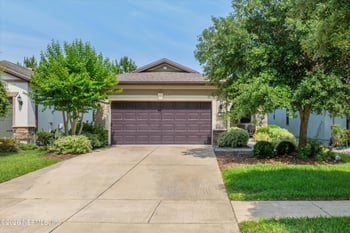

$409,000
Active
2
Beds
2
Baths
1348
Sqft
0.11
Acres
80 Covered Creek Dr, Ponte Vedra, FL 32081
MLS#: 2148330
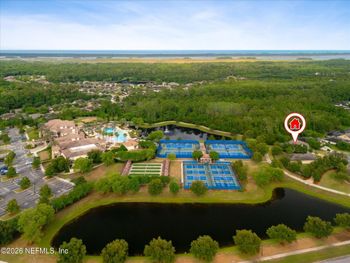
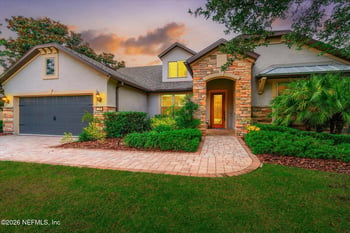


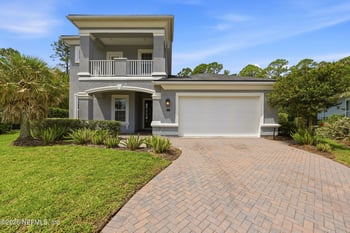


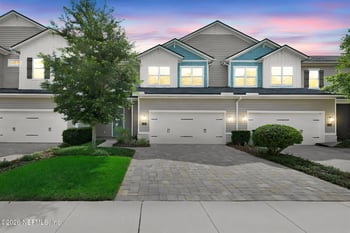


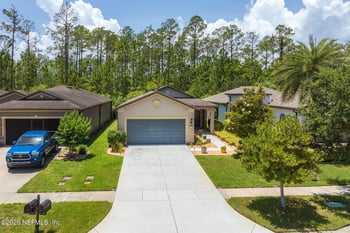


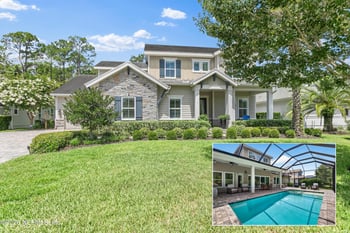


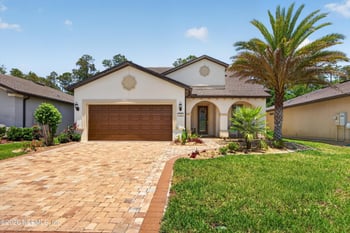


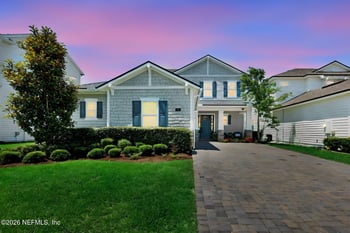


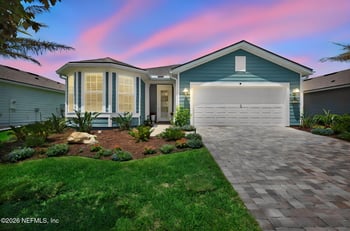
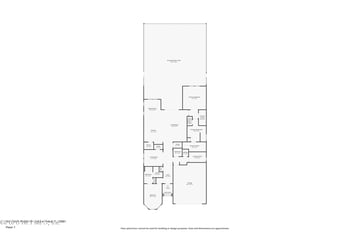

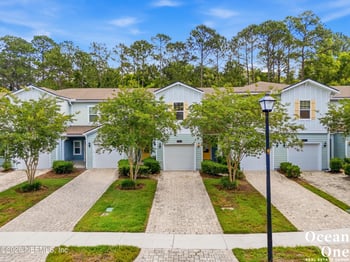
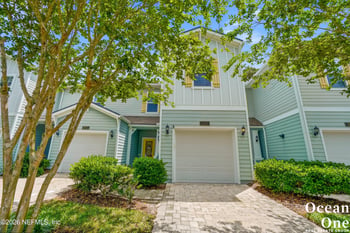

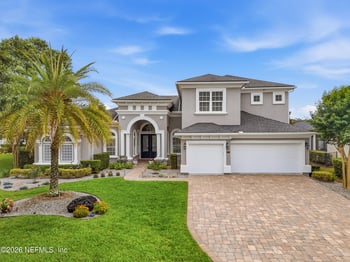


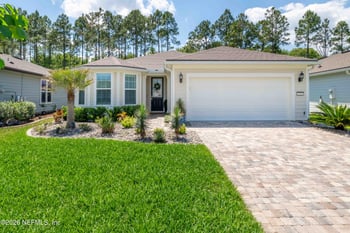


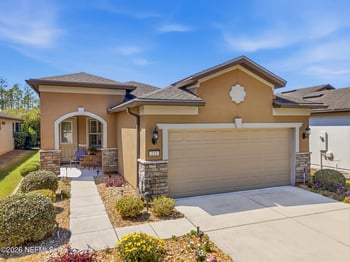


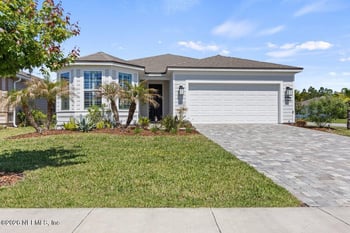
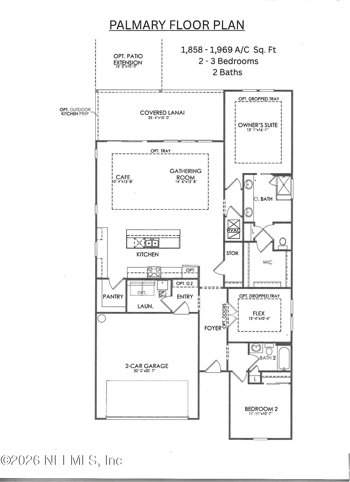

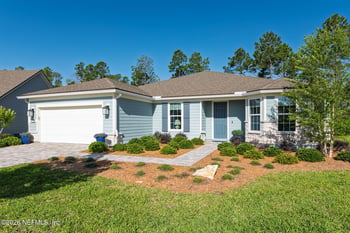
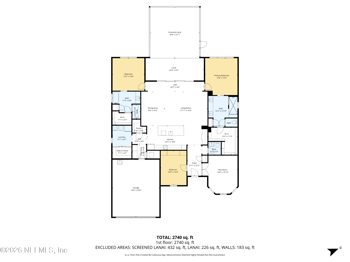
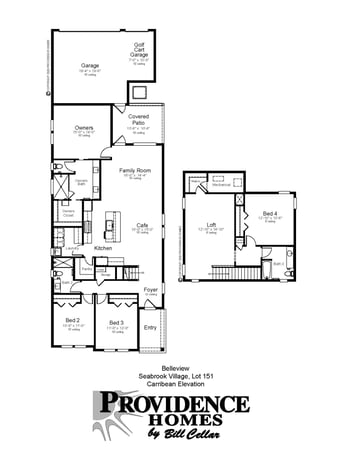
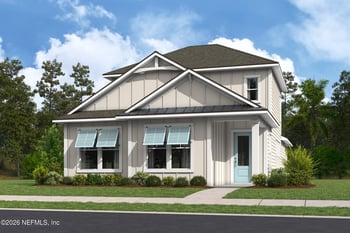
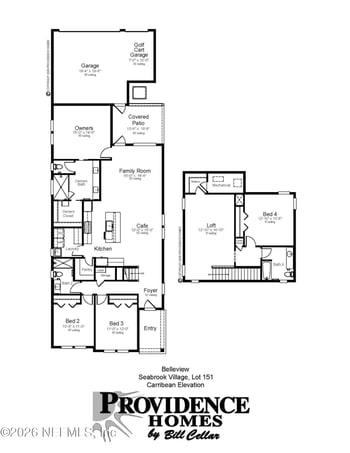
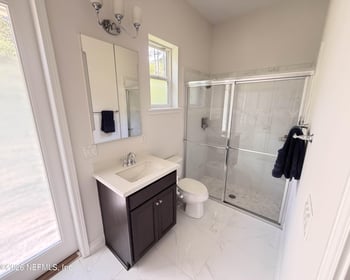
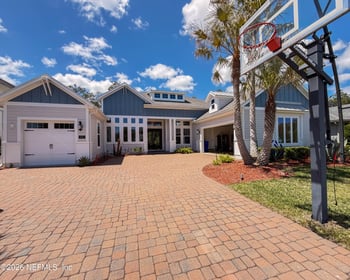
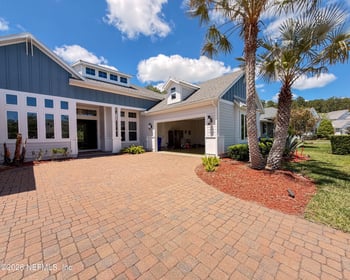
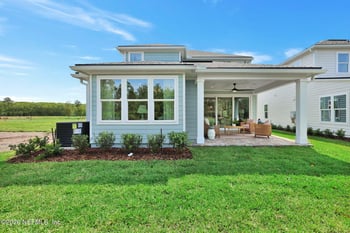
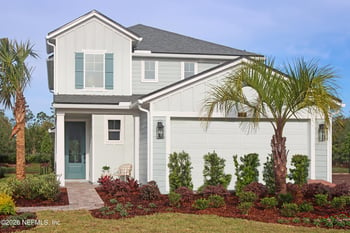
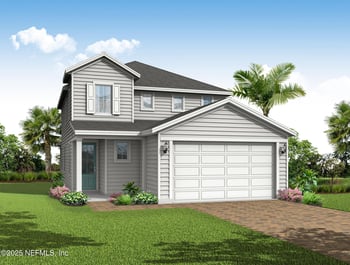

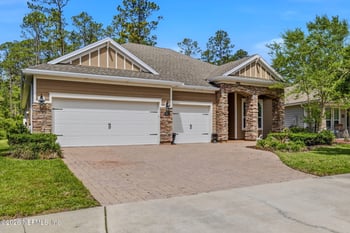
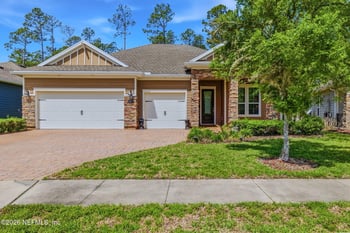
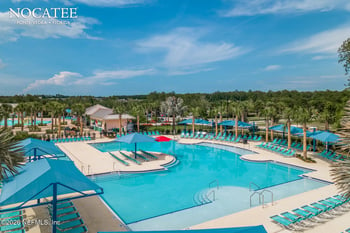
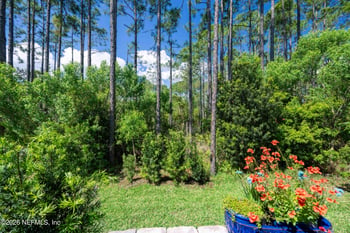
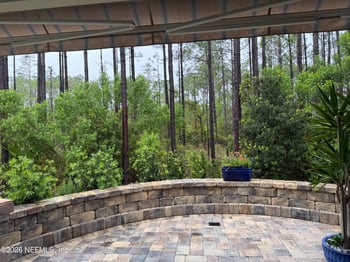


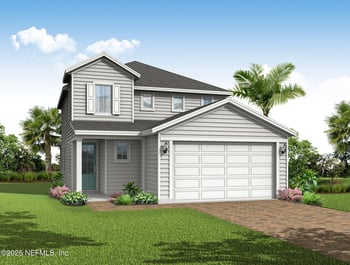


Nocatee is one broad home search made up of many village and community names. Start by comparing the homes that match your price and home type, then use a named-community search when one part of Nocatee keeps rising to the top.
A current resident described taking a golf cart to groceries or dinner. That is a useful local clue, not a promise for every home. If Town Center errands or resident amenities matter to your week, compare the actual trip from each home. If most of your week leads toward Jacksonville, the beaches, or St. Augustine, compare the repeated drive instead. The Nocatee area guide explains those broader place choices.
The Nocatee name reaches across more than one listing city. The current home search includes Nocatee community rows under Ponte Vedra and Jacksonville, along with a few Nocatee labels used elsewhere in the MLS. The city shown on a listing helps identify which county records and local tools may apply, but it does not define the whole Nocatee community.
For a home you are considering, use its exact address to confirm the county property record, tax bill, school assignment, utility provider, flood-map result, and the governing district or association. Make that verification once the home is serious; it should not replace the first comparison of price, home type, village, and recurring cost.
Open one of these community searches when its local distinction changes which homes belong in your comparison.
Use this separate search for the documented gated 55-plus community. It brings Del Webb and Riverwood homes together, where age and occupancy rules, amenity access, association charges, and maintenance arrangements need their own comparison.
Open Coastal Oaks separately when its gated setting and association documents are part of the decision. You can compare its houses and condos without blending them into the full Nocatee results.
Use the Twenty Mile search when this side of Nocatee and its connection back to Nocatee Parkway are the real narrowing points.
Open this search when a home deeper along Crosswater Parkway remains in the comparison. It keeps Crosswater Village homes together so they do not disappear inside the larger Nocatee group.
Use Woodland Park when attached or lower-maintenance choices near the Town Center side matter.
Open this search when the Jacksonville side belongs in your comparison. Keeping those homes separate makes the Duval County record path clear before they are mixed with Ponte Vedra listings.
Two Nocatee homes with similar prices can carry different recurring costs. Compare the mortgage payment, property taxes, homeowners insurance, CDD assessment, HOA or condo charge, and the maintenance the owner must handle. Keep those rows separate so one fee is not mistaken for another.
The Nocatee CDD and fees guide explains the cost layers and the records that support them. It also explains why a CDD operations-and-maintenance charge is different from a debt assessment and from a separate HOA or condo charge.
Once a home survives the village and monthly-cost comparison, confirm the property-specific details. Match the county property record to the tax bill, identify the applicable Tolomato CDD assessment, review the current association documents, and check the FEMA flood map before relying on a cost or coverage assumption.
Put the two homes side by side with the same rows: village, home type, age and condition, repeated trips, CDD assessment, association charge, taxes, insurance, and maintenance. The Nocatee commute and Town Center guide helps with repeated destinations and road choices. Susie can help you compare the current records and decide which differences should change your offer or remove a home from the shortlist.
Susie Takara can help you compare the village, CDD assessment, HOA documents, recurring costs, daily routes, property records, and flood information before you make an offer.