New - 4 Days Ago




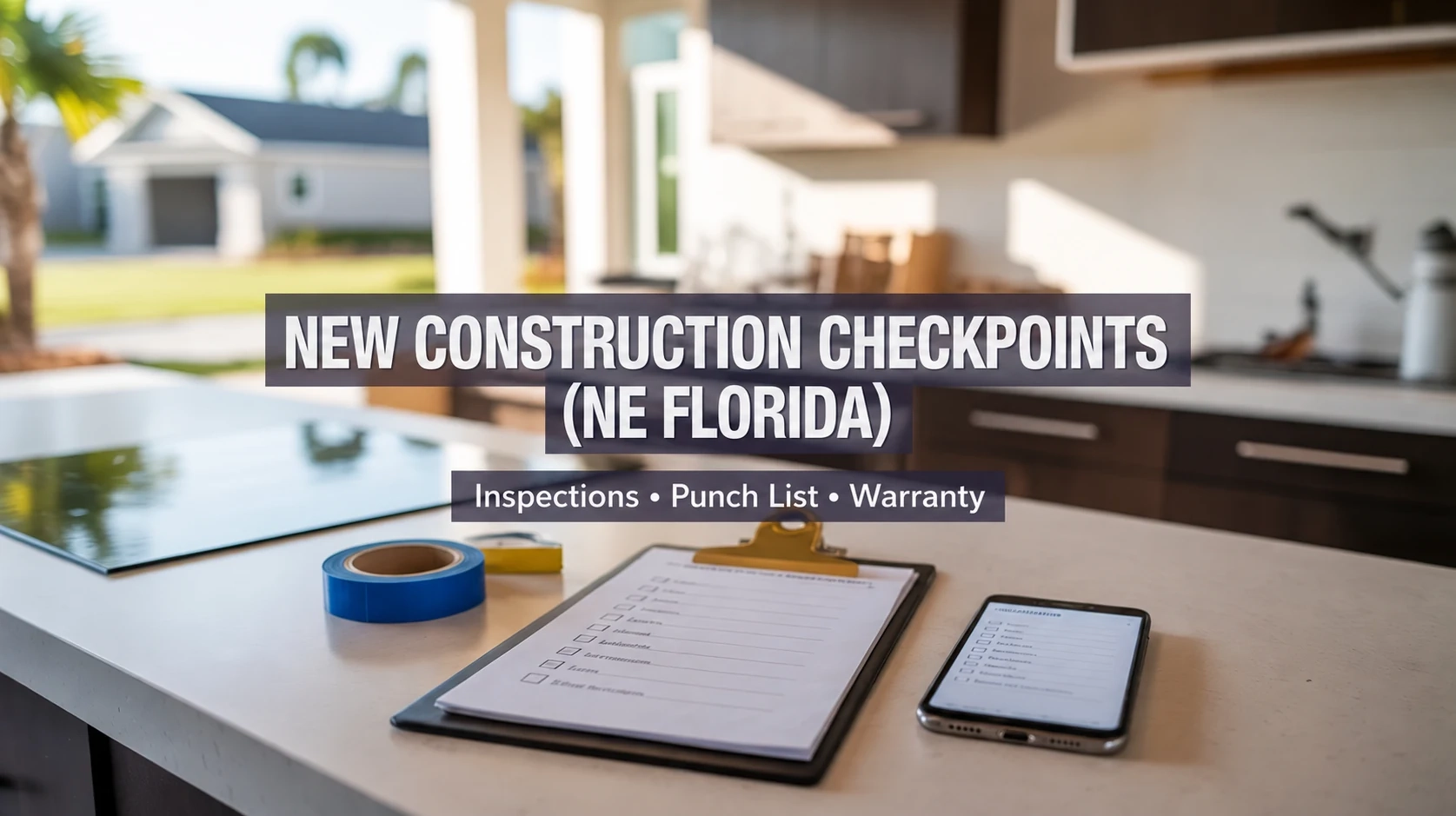
The blue tape on a new kitchen cabinet is easy to spot. Water collecting beside the house after a Northeast Florida downpour may not be. Both deserve attention, but they raise very different questions about what needs fixing before closing and what happens afterward.
Buying new construction in Duval, St. Johns, Clay, or Nassau County means keeping four things straight: an independent inspection, the builder's walkthrough, the local government's occupancy approval, and the warranties that apply after handoff. One doesn't replace another. If you're still choosing an area, start with Moving to Northeast Florida. If you're already buying a new build, here's how to protect the time you have before the keys change hands.
Before drywall goes up, an inspector can see work that will soon be hidden. Near closing, you can examine the finished house and ask the builder to respond to specific findings. After closing, unresolved work may follow a written handoff agreement, while other issues may enter a warranty process. A pre-closing problem does not automatically become a covered warranty claim. The purchase agreement and the builder's written commitments matter.
New communities also bring obligations beyond construction. Review CDD fees in Northeast Florida and HOA rules to verify before signing, rather than discovering those costs and restrictions after you've settled in.
Keep the signed purchase and warranty documents, inspection reports, photos, builder replies, agreed punch-list items, permits and occupancy documents, manuals, serial numbers, and warranty ticket confirmations together. A cloud folder with a backup is easier to use than scattered texts.
Think of these as opportunities to arrange, not four appointments every builder provides. The stages available depend on whether you're buying during construction or choosing a finished inventory home, along with your contract and the builder's site-access rules.
If you're comparing new builds while planning that timeline, you can browse Jacksonville new-construction listings. A listing's new-construction label isn't proof that the home is finished, available for immediate occupancy, or covered by a particular warranty.
Request the builder's inspection and site-access requirements in writing: who may enter, which stages are available, how much notice is needed, and whether there are restrictions on photographs or testing.
An unfinished house can be easier to inspect in one important way: framing and visible plumbing, electrical, and HVAC rough-ins haven't been covered. If the builder allows a third-party inspection at that stage, arrange it when the relevant work is ready to review—not simply on a date that sounds close enough to drywall installation.
A completed inventory home has already passed the pre-drywall point, and a builder may restrict construction-site access. Ask what independent inspection can be arranged before closing instead. Don't enter an active jobsite without permission.
A clean countertop tells you little about a window that won't latch or a room that doesn't cool evenly. A qualified independent inspector can examine accessible conditions and systems while there's still time to raise findings with the builder. The government's required building inspections serve a different purpose; neither they nor the builder's orientation replace your independent review.
In Northeast Florida, ask about drainage and grading, exterior openings and water-management details, HVAC operation and airflow, along with ordinary electrical, plumbing, safety, and functional concerns. If a lot borders a pond, slopes toward a low area, or collects water, see how to check flood zones and individual property conditions. A dry-day inspection cannot tell you everything about the next heavy storm.
Ask: “Which of these findings will be corrected before closing, and how will the remaining items be handled?” Keep the builder's response with the original inspection report.
The blue-tape walkthrough is where little unfinished details become obvious: a crooked cabinet door, an unpainted trim edge, a sticking window. Start with the inspection findings and the builder's promised corrections, not with the paint. A walkthrough can confirm visible work and raise new concerns, but it is not a substitute for a qualified reinspection when a major system or concealed issue is involved.
Bring to the walkthrough
Photograph each item from far enough away to identify its location and up close to show the condition. Record whether it was fixed, remains open, or needs an expert to confirm the repair. Leave electrical and specialized performance testing to the inspector or appropriate professional rather than treating a simple home test as proof.
“Fix the window” invites confusion. “Primary bedroom window, right side: binds when closing; adjust so it closes smoothly without force” identifies the location, what happens, and what successful work would look like. Add a photograph and a date, then ask the builder to confirm its response to that specific item.
Not every problem should get the same treatment. The categories below help you decide what needs attention first; they do not predict which repairs a builder must accept or how quickly it will perform them.
What if some work won't be finished by closing day? Get more than a general assurance that “warranty will take care of it.” Ask for the agreed scope, who is responsible, the completion plan, how access will work, and how you'll confirm the result. A written email is helpful evidence, but it is not automatically a contract amendment, escrow arrangement, or guarantee of repair.
If a safety issue, suspected water intrusion, serious functional defect, or occupancy approval remains unresolved, review the inspection report and contract with your agent and, when needed, a Florida real-estate or construction attorney before deciding whether to close. Your available options depend on the actual agreement and circumstances; there is no universal right to delay closing or require an escrow.
For every unfinished item, save the builder's acknowledgment and the actual arrangement for tracking it after closing. Don't assume a pre-closing punch-list entry automatically qualifies for statutory warranty coverage.
A walkthrough is one day. A home will experience heavy rain, humidity, and changing conditions over many days. Use your first months to notice patterns and report concerns promptly—not to make your own diagnosis or postpone an active problem until an “11-month” appointment.
A side yard that looks level on a dry afternoon may hold water after a storm. Check where water collects near the home, along side yards, and at fence lines. Take dated pictures from the same spots after separate rain events. Pooling alone doesn't establish that grading violates a code or warranty term, but repeat observations give the builder or a professional something specific to assess.
Windows, doors, and exterior penetrations deserve a close visual baseline. Photograph their perimeters at handoff, then record any later staining, drafts, or apparent water entry by location and date. Don't assume that every visible sealant gap is a leak—or ignore actual moisture because the home is new.
A room may feel cool while another stays clammy or stuffy. Note the settings, weather, rooms affected, and how often it happens. Ask the builder what HVAC setup or commissioning records it provides, and report persistent differences for professional evaluation rather than guessing at the cause.
A fine line in paint and a widening crack are not the same observation. Photograph any cracking with a ruler or other size reference and recheck it from the same angle. Some movement may fall within accepted settling practices, but a buyer cannot determine from appearance alone whether a condition is normal or a serious defect.
If irrigation is included, ask how its zones operate. A brief video of each zone can show missed areas or overspray onto windows, doors, and outlets. Confirm what's actually included in your lot's scope before treating a landscaping concern as a builder obligation.
Save dated photos, observations, and the actual builder response in your Build File. For an active leak, dangerous condition, or other urgent concern, report it immediately through the appropriate channel and seek qualified help as needed.
The builder says the final inspections passed. Good—but before closing, ask what actual document authorizes occupancy for your address. Under the Florida Building Code's occupancy provisions, a final Certificate of Occupancy (CO), a time-limited temporary CO, and a certificate of completion are different things. Where a CO is required, a certificate of completion isn't a substitute for permission to occupy. Nor does an issued CO guarantee the home is defect-free.
First identify the building authority for the actual parcel. A mailing-city name or county alone may point you to the wrong office because incorporated municipalities can handle their own permits. Match the issued certificate to the address and permit, and if it's temporary, check the approved portion, conditions, and expiration.
Keep the issued occupancy document with the permit and address details, not just a screenshot of passed finals. If you can't locate it, ask the builder and issuing department directly before making a closing decision.
A cabinet finish, an appliance failure, and a serious building-code violation may sound like three new-home warranty claims. They may be handled under three different sets of terms. Read what the builder actually provides, what the manufacturer covers, and what Florida requires; don't assume every issue enters a single one-year bucket.
Florida Statute 553.837 requires a one-year builder warranty for qualifying newly constructed, previously unoccupied homes, including certain one- to four-unit dwellings. Its required coverage is for construction defects in builder-furnished equipment, materials, or workmanship that result in a material violation of the Florida Building Code—not every minor finish flaw. Under section 553.84, that means a violation that may reasonably cause physical harm or significantly impair building or system performance.
The statutory year starts when title is first conveyed to the initial owner or the home is first occupied, whichever happens first. Moving in later doesn't extend that period, and a resale doesn't restart it. The statute took effect July 1, 2025; transactions near that date require property-specific guidance rather than an assumed construction or permit cutoff.
Normal wear and acceptable settling, among other conditions, are excluded from the statutory warranty. Appliances and equipment covered by manufacturer warranties are also outside its required scope. But don't diagnose a crack as harmless or a leak as excluded on your own. Additional written builder or third-party warranties may promise different workmanship, systems, or structural coverage, with their own start dates, exclusions, transfer provisions, and claim instructions.
Set reminders ahead of each actual deadline and send reports through the required channel early enough to get confirmation of receipt. An inspection in month 10 or 11 can help find developing conditions, but isn't legally required and doesn't itself preserve a claim. If a construction-defect dispute becomes a legal matter, Florida's separate Chapter 558 presuit notice process may apply; a routine builder warranty ticket isn't automatically that notice.
Record the original conveyance and first-occupancy dates, the builder warranty contact and portal, any separate written warranty provider, and manufacturer contacts for appliances and HVAC equipment. Save each policy and confirmation of every claim submitted.
“The room feels wrong” leaves too many questions. “Guest bedroom remains noticeably warmer than adjacent rooms during afternoon cooling; first noticed October 12” gives a service team a starting point. Use the builder's required submission channel and a factual description like this:
Keep the acknowledgment and any follow-up work order. A complete record helps the conversation, but documentation alone doesn't establish that a condition is covered or satisfy every legal notice requirement.
The week before closing isn't the moment to discover that an inspection couldn't be scheduled or that everyone assumed someone else had the occupancy certificate. Work through the handoff in this order:
If you're still comparing where to buy, the differences among Nocatee, Bartram Park, and Durbin are another part of the decision. Site location, everyday travel, and property-specific conditions matter as much as the home's new-construction label.
The objective isn't a flawless-looking walkthrough or a folder full of photographs. It's knowing what has been checked, which items the builder has actually agreed to address, whether occupancy is authorized, and which deadlines start running when you receive the home.










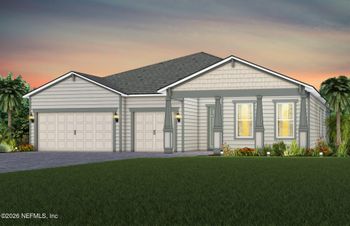


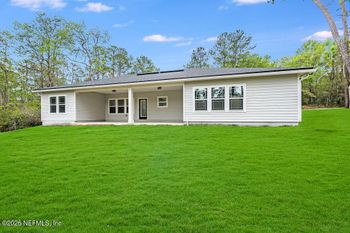


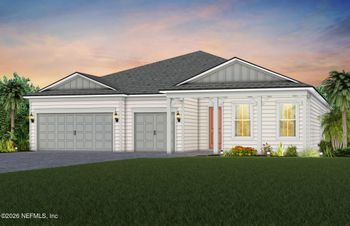
Some questions come up before you close; others emerge after move-in. Here’s how to handle inspection findings, unfinished work, occupancy documents, and warranty deadlines as they arise.
Yes. A qualified independent inspector can identify accessible concerns that fresh paint or the builder's orientation may not reveal. Government building inspections serve a different purpose and do not replace your own review. In Northeast Florida, ask about drainage and grading, exterior openings, and HVAC operation in humid weather, as well as ordinary safety and system function. A pre-drywall inspection can add value while work is exposed, but access depends on the builder and the construction stage; a finished inventory home no longer has that opportunity.
Ask the builder for its inspector-access and notice rules in writing, then arrange the pre-closing review with enough time to address findings.
An independent pre-closing inspection looks at accessible systems, function, and possible defects before closing. A builder's final walkthrough is the time to check its responses to the inspection, test ordinary operation, and record remaining finish or punch-list items. They complement each other, but a walkthrough cannot verify every concealed repair and an inspection report does not mean the builder agreed to correct each finding. Municipal inspections and the occupancy document are separate checks again.
Bring the inspector's priority findings and the builder's responses to the walkthrough; note what is visibly resolved and what still needs verification.
A punch list records problems identified for the builder during construction or before handoff, from an unfinished trim detail to a window that will not lock. A warranty claim is submitted through the applicable builder or manufacturer process, subject to coverage terms. The line is not simply the closing date: an issue identified before closing but left unresolved does not automatically become a covered warranty claim. Get the builder's written response and a clear arrangement for any work continuing after closing.
For every open pre-closing item, ask how it will be acknowledged, assigned, completed, and tracked after handoff.
Start by separating minor finish touch-ups from safety concerns, suspected water intrusion, essential-system problems, and unresolved occupancy approval. Ask the builder to identify each accepted item, the promised work, who will do it, the timing, and post-closing access. An email helps document the discussion but is not automatically an enforceable agreement or escrow. For a material concern, review the inspection report and your actual purchase agreement with your agent and, if needed, a Florida real-estate or construction attorney before deciding to close. Contract rights vary; there is no universal right to delay closing or require an escrow.
Request an itemized written work plan and get advice on significant unresolved issues before making the closing decision.
Save your signed purchase agreement and all written warranties, plus the dates of original title conveyance and first occupancy. Keep inspection reports, dated photos, punch lists, the builder's written replies, any agreed unfinished-work arrangement, work orders, repair confirmations, and the actual occupancy authorization. Add appliance and HVAC manuals and serial numbers, each provider's claim instructions, and every submission receipt or ticket number. This record is particularly helpful when reporting changing drainage, moisture, or HVAC conditions after a Northeast Florida storm or humid spell.
Keep one Build File, saving the actual warranty terms and submission confirmations rather than relying on memory or unsent messages.
An inspection around month 10 or 11 can be useful after you have lived through different weather, but it is a planning choice, not a required statutory appointment or proof of a universal first-year deadline. For qualifying homes, Florida's statutory warranty year begins at original title conveyance or first occupancy, whichever happens first, and its required coverage is limited to certain construction defects causing material Building Code violations. Other written warranties can use different terms. Check the actual deadlines early, submit concerns in the required way, and report urgent problems immediately rather than waiting for a scheduled inspection.
Record each policy's actual start and expiration dates, schedule any review early enough to submit claims, and keep receipt confirmations.
Find the building authority for the actual parcel, not just the county or mailing-city name. Use the applicable Jacksonville/Duval, St. Johns, Clay, Nassau, or municipal permit system, then look for the issued occupancy document matched to your address and permit. Passed final inspections, a closed permit, or a certificate of completion are not necessarily a final Certificate of Occupancy. A temporary CO can carry limits and an expiration date. If the portal is unclear, ask the builder and issuing department for the actual certificate and any conditions before closing.
Get the actual CO or applicable temporary occupancy authorization and verify the address, issuing authority, and any conditions.
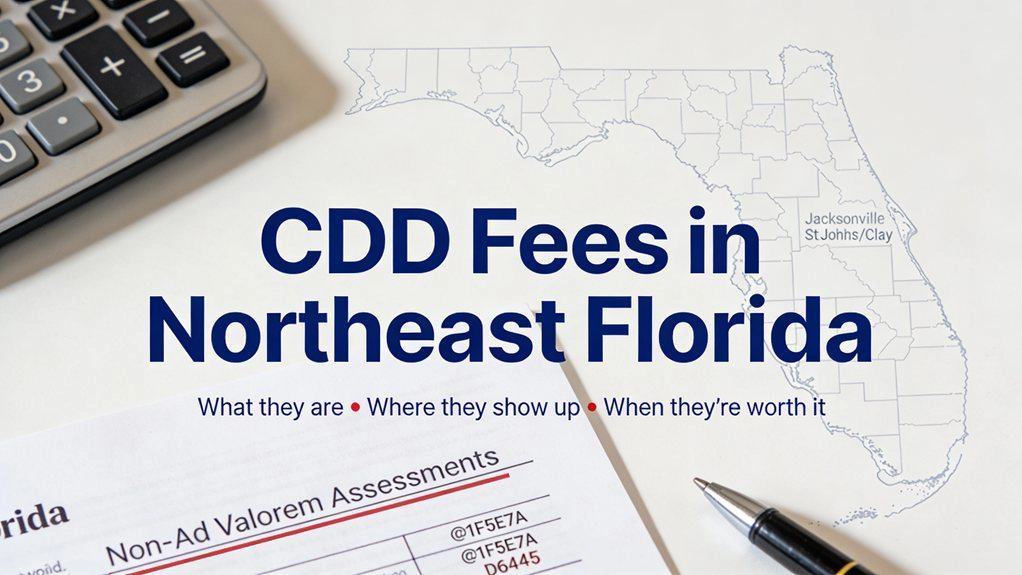
A CDD fee helps pay for a community's infrastructure and ongoing upkeep. In Northeast Florida, it commonly appears on the property's annual tax bill, separate from HOA dues. Paying off a home's CDD debt does not eliminate its ongoing maintenance assessment.The useful question isn't just, “Does this home have a CDD?” It's, “What will I owe for this address, what does that money cover, and is it al

If you’re shopping in Northeast Florida, “flood zone” often comes up after you’ve already noticed the porch, the backyard, or a commute that finally works. Then you see a flood-zone code on a map: AE, perhaps, or X. Neither one tells you whether water has reached the house before, whether the street drains after a summer storm, or what insurance might cost. Here, water can rise from rivers and cr
A home in Nocatee, a townhome near Bartram Park Boulevard and a place in Durbin Crossing may all look reasonable on a map. But drive toward Downtown Jacksonville on a weekday and the first few roads you take are different. The school district can change across those addresses, too. And a builder contract is a different purchase from a resale in an established community. The question is not which
The house seems to fit. The driveway accommodates the work van, and the backyard has room for a fence. Then you open the HOA packet: parking restrictions, exterior approvals, and a rental rule you hadn’t considered. Here’s the Florida wrinkle: not every restriction printed in an HOA handbook is necessarily enforceable. Before buying in Northeast Florida, you need to know what applies to this part