


_0003.jpg)
If you’re weighing Julington Creek against Nocatee, you’re probably past the stage of comparing kitchens and floor plans. This choice is really about how you want everyday life to feel once the move is over—school mornings, errands, traffic, and whether your neighborhood asks anything of you beyond being home.
Both sit in St. Johns County and both work for a lot of people. They just work in different ways. Think of this less as a ranking and more as choosing which set of trade-offs you’ll still be comfortable with six months in.
Why These Two Get Compared
On paper, Julington Creek and Nocatee can look interchangeable: strong county demand, good access to Jacksonville, and a reputation for stability. The real fork shows up when buyers ask, “Do we want a community that actively shapes our week, or one that lets our routine be our own?”
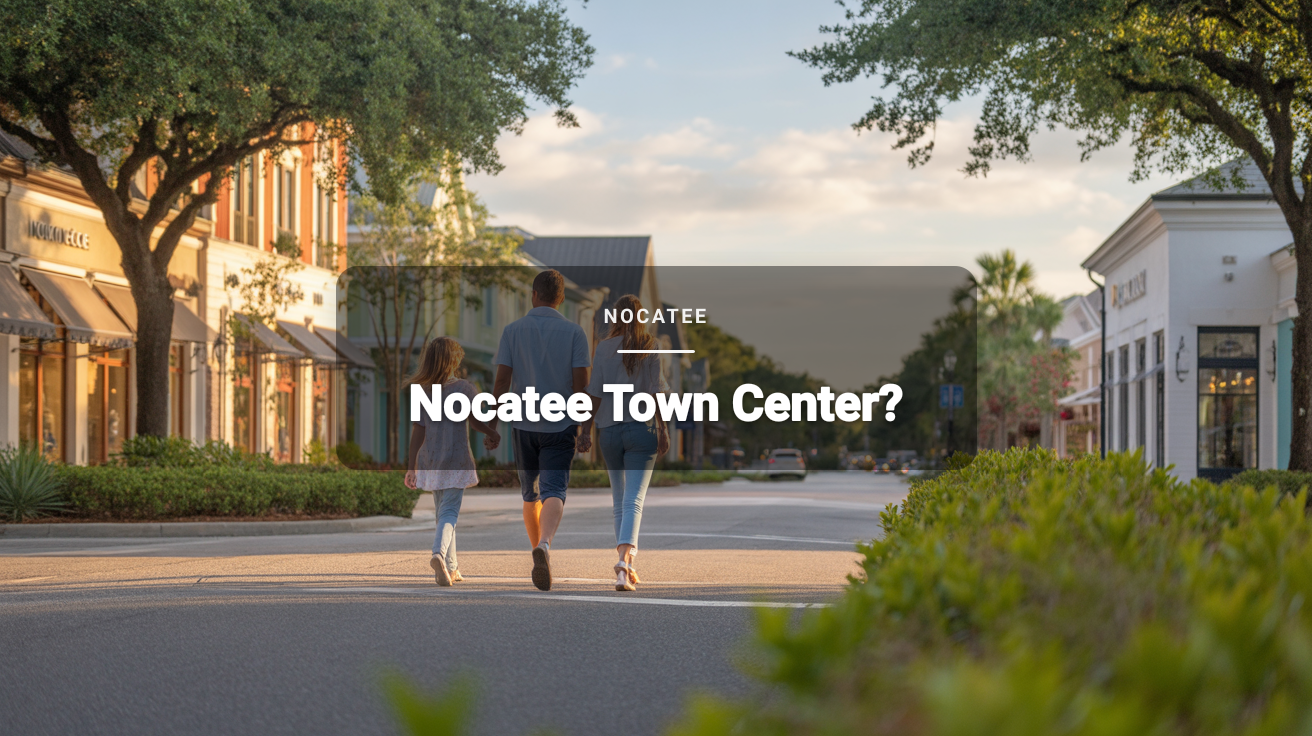
Nocatee is a master-planned system with a clear center of gravity. Julington Creek is an established area made up of multiple neighborhoods that grew over time. Both are intentional; only one is centrally orchestrated.
Where They Sit in Real Life
Locals don’t talk about these places in marketing terms—they talk about routes.
Julington Creek sits along the SR-13 and Race Track Road corridor, with easy ties to I-295. Day-to-day movement feels like a familiar suburb: school drop-offs, groceries, practice, home. You’re not funneled through one internal system to get around.
Nocatee revolves around CR-210 / Nocatee Parkway and internal parkways connecting villages, amenities, and the Town Center. A lot of life stays inside the community footprint, which can be very convenient—especially if your routine matches the design.
Neither pattern is objectively easier—it depends on whether you prefer internal flow or familiar suburban routes.
Quick local test: drive both during a normal weekday around school drop-off or early evening. That tells you more than a weekend showing.
Commute Reality: The Bottlenecks Locals Plan Around
Here’s the part people don’t always realize until they’ve lived here: the “best” route on a map isn’t always the one that feels easiest day to day. In Julington Creek, a lot of river-side movement leans on SR-13 and the Julington Creek Bridge. Most days it’s fine, but when it backs up—school traffic, a crash, heavy rain—there aren’t many clean alternate paths, so delays can ripple.
Nocatee tends to rely more on wider, purpose-built corridors like Nocatee Parkway and the broader CR-210 network. It can still get busy, but the overall infrastructure is designed to move higher volumes, which some commuters find less stressful even when traffic exists.
Daily Life: How a Tuesday Works
In Julington Creek, life spreads outward. You’re using main roads and nearby services, and your schedule isn’t synced with a community calendar. It feels settled and predictable in a low-key way.
In Nocatee, life pulls inward. Amenities, events, and trails are designed to be used often. When many households run similar schedules, popular time windows can feel busier—but you also get a strong sense of cohesion.
Schools and Long-Term Comfort
Schools are a quiet reason many buyers choose this part of Florida at all. Both areas fall under the same St. Johns County school system, which makes this more of a county decision than a single-neighborhood gamble.
The practical question isn’t rankings—it’s comfort with growth. New development can bring rezoning and enrollment shifts over time. Established areas can feel steadier, but change still happens. Buyers who think in terms of flexibility tend to feel calmer either way.
Neighborhood Feel
Nocatee feels active. People walk, bike, meet up, and participate. If you like built-in social energy and a clear community identity, that’s a feature.
Julington Creek feels settled. There are parks and amenities, but less pressure to participate. Many residents like that they can be social—or not—without feeling out of step.
Both areas benefit from the same county services and planning standards, so safety conversations usually come down to comfort with activity levels and traffic—not concern about the neighborhoods themselves.
Amenities in Practice
In Nocatee, amenities aren’t add-ons—they actively shape how people spend their time week to week. If you’ll use them regularly, the system makes sense.
Julington Creek leans toward everyday access—parks and preserves that fit normal afternoons. Julington Creek Plantation Park is a common example locals use regularly, not just on special occasions.
The Quiet Tie-Breaker: CDD Maturity and Long-Term Tax Feel
If you’re comparing the two seriously, there’s one tie-breaker that shows up in real budgets over time: how much infrastructure is still being paid off. Julington Creek’s neighborhoods were built out earlier, and in many sections the bond portion of the CDD is already paid down or significantly reduced. That can make the ongoing tax feel lighter compared to newer master-planned communities where infrastructure financing is still a bigger part of the picture.
Nocatee’s structure is different because the amenity network and master-planned infrastructure are part of the lifestyle package. Some buyers are happy to pay for that because they use it constantly. Others would rather keep the monthly overhead simpler and build their routines around parks, preserves, and everyday errands.
CDD and HOA: Structure as a Choice
Nocatee operates with more defined structure to support its amenity network and consistency. For many residents, knowing what to expect month to month is the appeal.
Julington Creek is more neighborhood-based. There are HOAs, but the overall feel is less centralized. In practice, that often means less pressure to “use what you’re paying for” and more freedom to shape your routine.
What People Realize After Six Months
- In Nocatee: People who love it use the amenities and enjoy the activity. Those who struggle usually realize they prefer quieter, less shared schedules.
- In Julington Creek: People who love it value calm and normalcy. Those who struggle often wish for a stronger built-in identity.
Neither outcome is a mistake. It’s simply a lifestyle fit revealing itself over time. For many buyers, that realization is less about amenities and more about confidence—knowing the area will feel familiar and functional years down the line, even as life changes.
Side-by-Side Snapshot
| Overall feel | Established neighborhoods, quieter baseline | Master-planned, active and centralized |
|---|---|---|
| How life moves | External routes (SR-13, Race Track Rd, I-295) | More internal flow + CR-210 / Nocatee Pkwy |
| Amenity style | Everyday access (parks/preserves), less programmed | Amenities and events shape weekly routine |
| Structure | Neighborhood-based, less centralized | More defined system and standards |
| Long-term cost feel | Often lighter where CDD bonds are more mature | Often higher where infrastructure is newer and more systemized |
Who Each One Tends to Fit
Julington Creek fits you if:
- You want an established area that feels settled.
- You prefer routine over programming.
- You value straightforward Jacksonville commutes.
- You’re thinking a few phases ahead and want a place that still feels comfortable when schedules slow down.
Nocatee fits you if:
- You want a master-planned system that shapes weekends.
- You like centralized amenities and a strong community identity.
- You’re comfortable with more structure in exchange for cohesion.
Where to Go Next
If you’re still torn, drive both areas during a normal weekday at the time you’d actually live your life. Notice traffic, errands, and pace.


_0003.jpg)
.png)
_0001.jpg)
_0001.jpg)