New - 6 Days Ago


$550,000
Active Under Contract
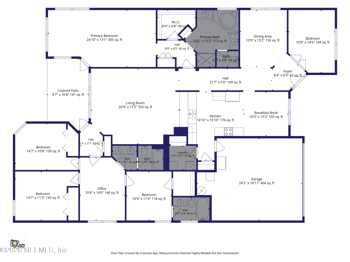
4
Beds
3
Baths
2484
Sqft
0.19
Acres
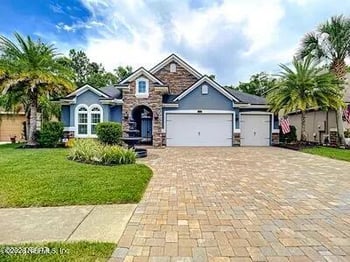
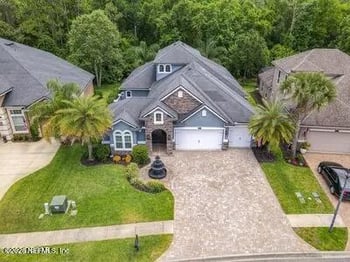
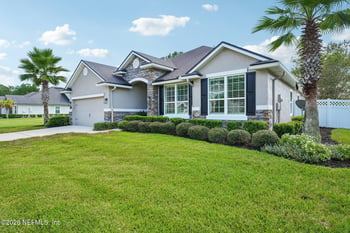
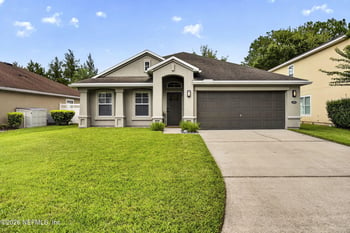
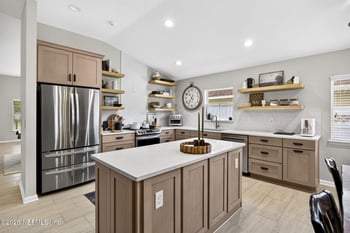
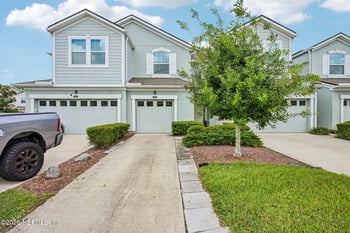
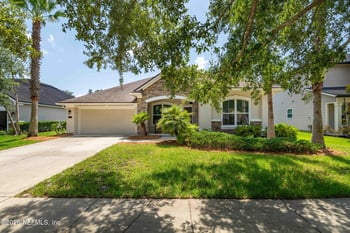
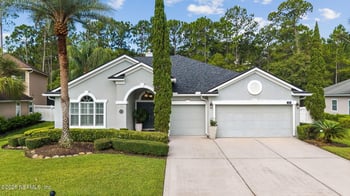
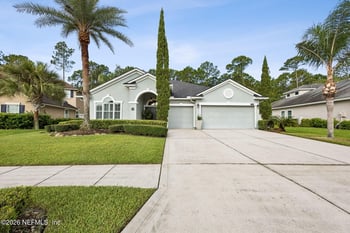
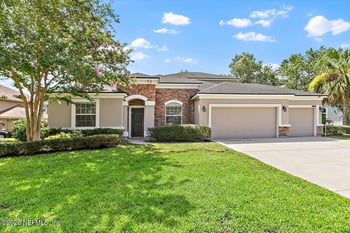
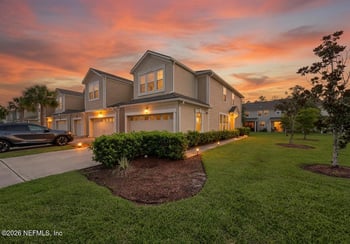
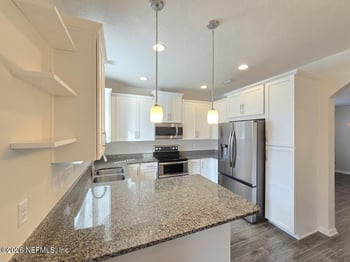
762 Bent Creek Dr, St Johns, FL 32259
MLS#: 2169342



_0002.jpg)
If you’ve been house hunting in northern St. Johns County for more than five minutes, you’ve probably heard someone say “Durbin” like it’s one neat, tidy neighborhood. In real life, it’s a little messier — and that’s exactly why this guide exists. When people talk about Durbin real estate, they’re usually bundling together Durbin Crossing and the broader Durbin Pavilion / Durbin Park retail hub (plus nearby pockets that share the same daily routes and errand patterns). If you’re deciding whether Durbin fits your weekday life, three things tend to make or break the decision here: the new construction reality, the school-zone assignment by address, and how you actually get around during peak hours.
This isn’t a rankings list. It’s meant to feel like a neighbor walking you through what you’ll notice after you’ve driven the routes a few times, watched how the retail area moves at 5pm, and tried to picture what a normal Wednesday looks like.
Understand HOA/CDD structure, phased building nearby, and the punch list + warranty workflow you’ll actually live through.
Verify by address using official tools, save the result, and re-check near closing if timing crosses a new school year.
Learn which routes people actually use to reach I-95, 9B / I-295, US-1, and repeat destinations like Southside, Downtown, beaches, and St. Augustine.
Durbin Crossing — a large master-planned community with its own neighborhood layout, amenity centers, and an established Community Development District (CDD) structure tied to amenities and infrastructure.
Durbin Pavilion / Durbin Park retail hub — the commercial cluster near Racetrack Road and Durbin Pavilion Drive where a lot of errands and weeknight “we’re already out” stops naturally land.
A simple way to keep the term clean: if a listing is marketed as Durbin, ask whether it’s (a) inside Durbin Crossing, or (b) “Durbin-area” because it shares the same retail hub patterns and the same access logic to major routes. Those two buckets can share a label and still live very different weekday lives.
Most “Durbin life” is shaped by how you get to I-95 (north/south), 9B / I-295 (the beltway route toward Southside-style destinations), and US-1 (the parallel alternative when the highways feel slow). Two homes described as “Durbin” can feel totally different in daily use depending on which of those routes you’re leaning on the most.
Durbin draws homebuyers who want newer construction, planned amenities, and a neighborhood that feels active. The trade-off is that you’re often buying into a system: HOA rules, potential CDD structure, phased development nearby, and the “new home first-year” workflow (punch list, warranty requests, and little fixes that don’t always show up during a showing).
In this part of St. Johns County, it’s common to see both an HOA and a CDD in planned communities — but they do different jobs. A CDD is a local, special-purpose government entity authorized under Florida Statutes Chapter 190 that can plan, finance, operate, and maintain certain community-wide infrastructure and amenities in planned developments. Florida Statutes Chapter 190
Typically about neighborhood standards and rules: architectural review, landscaping expectations, exterior changes, parking, rentals, and day-to-day community guidelines.
Typically about certain community-wide infrastructure and shared amenities in planned areas, plus how those are maintained over time.
If the home you’re considering is inside the Durbin Crossing CDD boundary, the district site is the cleanest starting point for understanding what the CDD is and what it maintains. Don’t rely on word-of-mouth for this part — use the district documents first, then bring your questions to the table. Durbin Crossing CDD About CDDs (Durbin Crossing)
New construction in the Durbin area can mean anything from a quick move-in home to a longer build timeline that shifts around permits, inspections, and trade schedules. The practical point isn’t “how many months,” it’s this: you need to be comfortable with uncertainty and follow-through. If you like predictable timelines and hate paperwork, the new-build process can feel like a second job for a while.
Before you get emotionally attached, ask one simple question: “Where is active construction relative to this address?” A home that backs to a future phase can feel very different at 7:30am on a weekday than one that sits in a built-out pocket.
If you’re buying a home that’s already built but still fairly new, ask for any warranty transfer details and any records of prior repairs. It’s not uncommon for the first owner to have already worked through early-stage fixes.
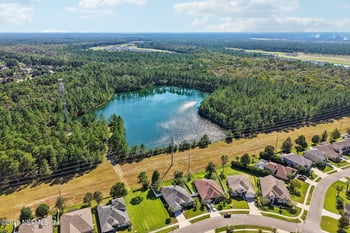
This is the part that catches people off guard if they’re used to older neighborhoods. In newer planned areas, the land is engineered — and your yard is part of that system. In Durbin-area new construction, you’ll see homes near ponds, preserves, and stormwater features. None of that is automatically “good” or “bad,” but it does mean you want to understand how water moves on and around the lot.
If drainage or water risk is on your mind, pair your walk-around with a verification step: pull the property on the county GIS so you can see mapped layers and easements, then confirm the flood designation on FEMA’s map for that exact address. You’re not guessing — you’re documenting. St. Johns County GIS FEMA Flood Map Service Center (Address Search)
A big part of the Durbin story — especially in master-planned pockets like Durbin Crossing — is that neighborhood life is active and amenity-driven. You’ll see how amenity centers shape routines: weekend pool time, kids’ sports, evening walks, and neighbors running into each other during events. The day-to-day feel is planned, social when you want it, and pretty easy to plug into.
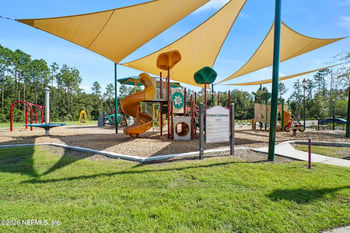
If you want a concrete “this is where people actually go” reference point beyond neighborhood amenities, St. Johns County lists Durbin Crossing Park at 345 Islesbrook Pkwy, St Johns, FL 32259. It’s the kind of place families end up using without making it a whole production. Durbin Crossing Park (St. Johns County)
If schools are part of your decision, Durbin is exactly the kind of area where you should treat zoning like a verification task, not a casual conversation. Growth and development happen quickly in northern St. Johns County, and school attendance zones can change. Even within the same broader “Durbin” label, two addresses a few minutes apart can land in different assignments.
Most zoning confusion comes from one simple thing: people talk in neighborhood names, but school zoning works by address. Add new construction phases and boundary adjustments over time, and you get a lot of confident statements that aren’t actually confirmed. The best approach is to verify early, save the results, and verify again if your closing crosses into a new school year.
St. Johns County School District provides an official Attendance Zone Locator where you enter an address and see the zoned schools for that specific location. Run the address, save the result, and then run it again right before closing if you’re crossing into a new school year — the tool is designed for address-level confirmation. SJCSD Attendance Zone Information & Locator
If you prefer a map-style lookup, the county-hosted School Attendance Zones Locator is another address-based tool many buyers use because it feels more visual. St. Johns County School Attendance Zones Locator (GIS)
If you’re choosing Durbin partly for schools, it’s smart to look beyond the name and ask practical questions: are there academies, specialty programs, or choice options that fit your kid? Start with the district’s official pages so you’re using the same language the district uses, then confirm how your address lines up with your options. St. Johns County School District
Durbin’s drive-time reality is less about one perfect route and more about having options. For Southside-style errands and office areas, people typically lean on 9B / I-295 (East Beltway) so they can move around the city instead of pushing straight through it. For north/south runs (Downtown, St. Augustine, airport direction), I-95 is usually the backbone. And when the highways feel messy, US-1 becomes the “keep moving” alternative for certain trips.
For Durbin real estate, this is often the make-or-break part: the same house can feel perfect or frustrating depending on your repeat destinations and your usual travel window.
One reason people like living in fast-growing parts of St. Johns is that the road network keeps evolving. A good example is County Road 2209 between Silverleaf Parkway and International Golf Parkway, which the county highlights as a major connection designed to improve traffic flow in northern St. Johns County. Even if you don’t memorize project names, this matters because new connectors can change which local roads feel worth it when you’re trying to reach International Golf Parkway or CR 210 without defaulting to the same ramps every time. St. Johns County: CR 2209 Featured Project
When you test-drive Durbin, don’t just plug in “Jacksonville.” Test the real repeats: your office parking lot, the gym you’d actually join, a grocery run at peak hours, and one medical appointment location. Durbin can feel easy or exhausting depending on those exact repeats.
The point isn’t to chase a perfect number of minutes. It’s to ask: “Does this route feel doable when I’m tired, when it’s raining, and when school traffic is heavy?”
If you’re thinking about future resale without trying to predict the market, Durbin’s durability usually comes from basics you can verify: access to major routes, a strong retail hub for daily needs, and whether the area is still in a growth phase that improves convenience over time. Those factors tend to influence demand even when the market mood changes.
One reason Durbin works for busy households is that you’re not constantly making “special trips.” A lot of what you need tends to cluster around the same area — especially near the Durbin Pavilion / Durbin Park retail hub. If you live here, you start to think in routines: quick groceries, pharmacy run, dinner you don’t have to overthink, and something for the kids on a Saturday.
This is why a lot of Durbin real estate decisions come down to routine convenience, not just the home itself.
Most Durbin routines eventually orbit the same retail spine: Racetrack Road and Durbin Pavilion Drive. That’s where the “quick stop” life happens — groceries, pharmacy runs, takeout, last-minute kid supplies — and it’s also where you’ll feel growth the most as pads fill in and traffic patterns adjust with it.
If you do one thing before you decide, do this: drive the Racetrack Road approaches during a weekday school pickup window and again around dinner time. You’ll immediately understand the pace of the area.
Here’s a very normal Durbin-style weeknight: school pickup, activity drop-off, and then you’re trying to solve dinner without making it a whole production. This is where Durbin tends to feel convenient. Your errands can stack — pharmacy, groceries, quick food — without a cross-town drive. It’s a lifestyle benefit people don’t always say out loud, but it matters when you’re tired and trying to get home.
The trade-off is that convenience attracts traffic. The same places you’ll want to use for quick stops are the same places everyone else uses — so your “easy run” is easiest when you understand timing.
This is one of those grown-up considerations that gets ignored until you need it. Before you commit to Durbin real estate, pick two or three places you know you’ll use: a primary care office, a pediatric office if relevant, a dentist, an urgent care. Then look at the routes, not just the distance. If the route feels straightforward on a normal day, that’s a win. If it requires multiple major turns across busy roads at peak times, you’ll feel that friction every time you go.
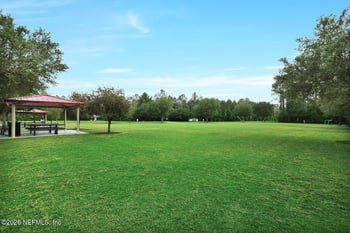
Durbin is one of those areas where you don’t have to plan a big outing to get outside. There are neighborhood paths, open spaces, and county parks that become part of daily life — especially if you have kids, a dog, or you just like having a place to walk after dinner.
For homebuyers comparing Durbin real estate to older neighborhoods, this “built-in” outdoor access is one of the everyday differences.
St. Johns County’s listing for Durbin Crossing Park is a clean, concrete reference point for the kind of community park setup you’ll find here. The county lists it at 345 Islesbrook Pkwy, St Johns, FL 32259. Durbin Crossing Park (St. Johns County)
If you’re visiting the area, do a simple reality check: come back in the early evening on a weekday. You’ll get a feel for how active the neighborhood is, what the walking vibe is like, and whether the planned-community energy feels like a fit for you.
Durbin tends to work well for homebuyers who want newer construction, planned-community convenience, and a weekly routine that feels efficient — especially if you’re comfortable with HOA structure and you don’t mind the “still growing” energy that comes with a fast-developing area.
The smartest way to decide is simple: keep the “Durbin” label clean (Durbin Crossing vs Durbin-area routines), verify school zones by address, understand HOA/CDD structure before you buy, and drive your real routes at real times. Once you’ve done those three things, Durbin real estate usually becomes a clear “yes, this fits” or “no, this would wear on us.” And honestly, that clarity is the whole point.
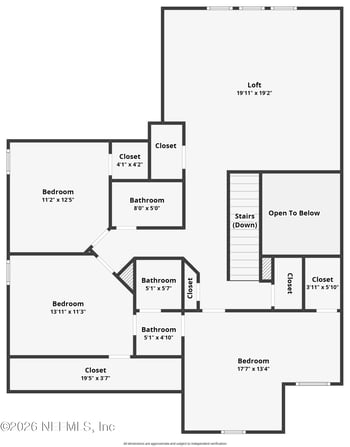
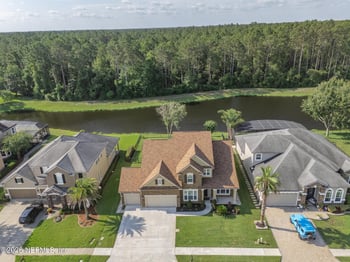
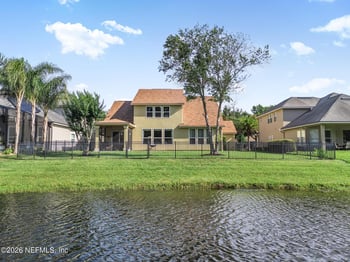
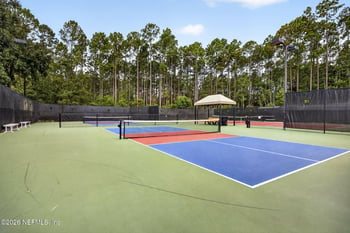
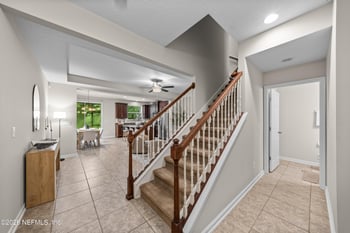
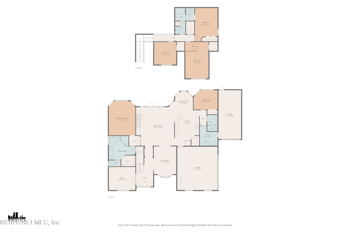
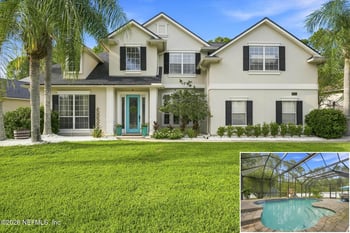
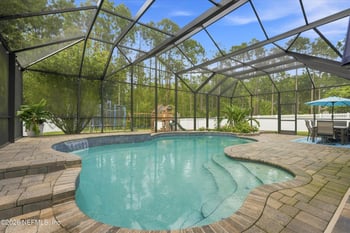



Critical answers for new construction, schools, and commute routes.
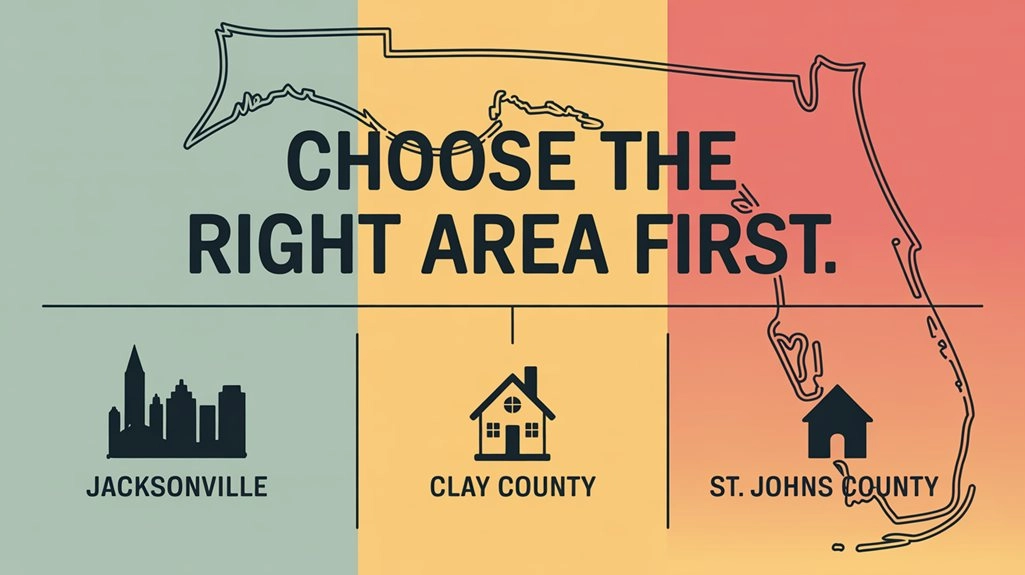
Updated September 13, 2026Start with the places you need to reach each week, then compare homes along those routes. A Clay County home near your route to NAS Jax may make more sense than a Jacksonville home across the river. A St. Johns County address only helps if the drive, the home and the ongoing costs work together.Jacksonville, Clay County and St. Johns County are not three comparable neigh
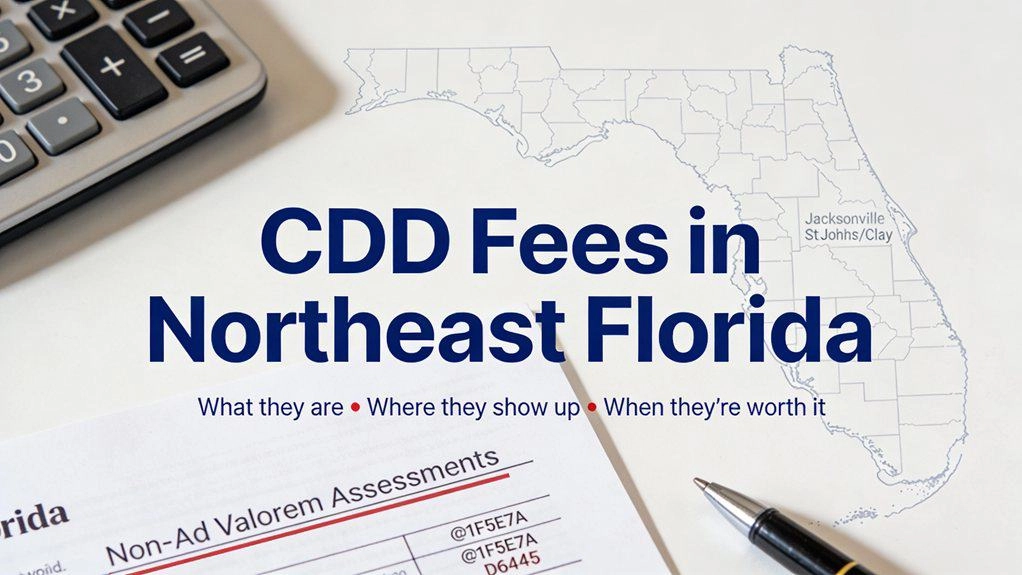
A CDD fee helps pay for a community's infrastructure and ongoing upkeep. In Northeast Florida, it commonly appears on the property's annual tax bill, separate from HOA dues. Paying off a home's CDD debt does not eliminate its ongoing maintenance assessment.The useful question isn't just, “Does this home have a CDD?” It's, “What will I owe for this address, what does that money cover, and is it al
_0003.jpg)
If you’re shopping in Northeast Florida, “flood zone” comes up fast — usually right after you fall in love with a porch, a backyard, or a commute that finally feels doable. The tricky part is that water risk here isn’t one single thing. In some areas it’s rivers and creeks. In others it’s drainage and street ponding after summer storms. Near the coast, tide timing can change how quickly stormwate
If you’re cross-shopping Nocatee, Bartram Park, and Durbin, you’re usually not trying to crown a winner. You’re trying to figure out which one fits your weekdays without turning every morning into a strategy session. This is a decision article built around three things that actually change the outcome in real estate: commute routes that behave differently at peak hour, school assignment by addre