New - 2 Days Ago


$330,000
Active
3
Beds
3
Baths
1528
Sqft
0.06
Acres
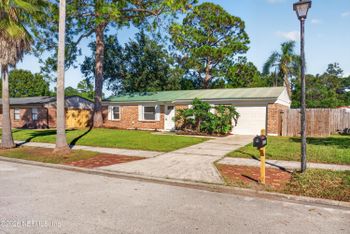
7030 Berrybrook Dr, Jacksonville, FL 32258
MLS#: 2170755


TL;DR
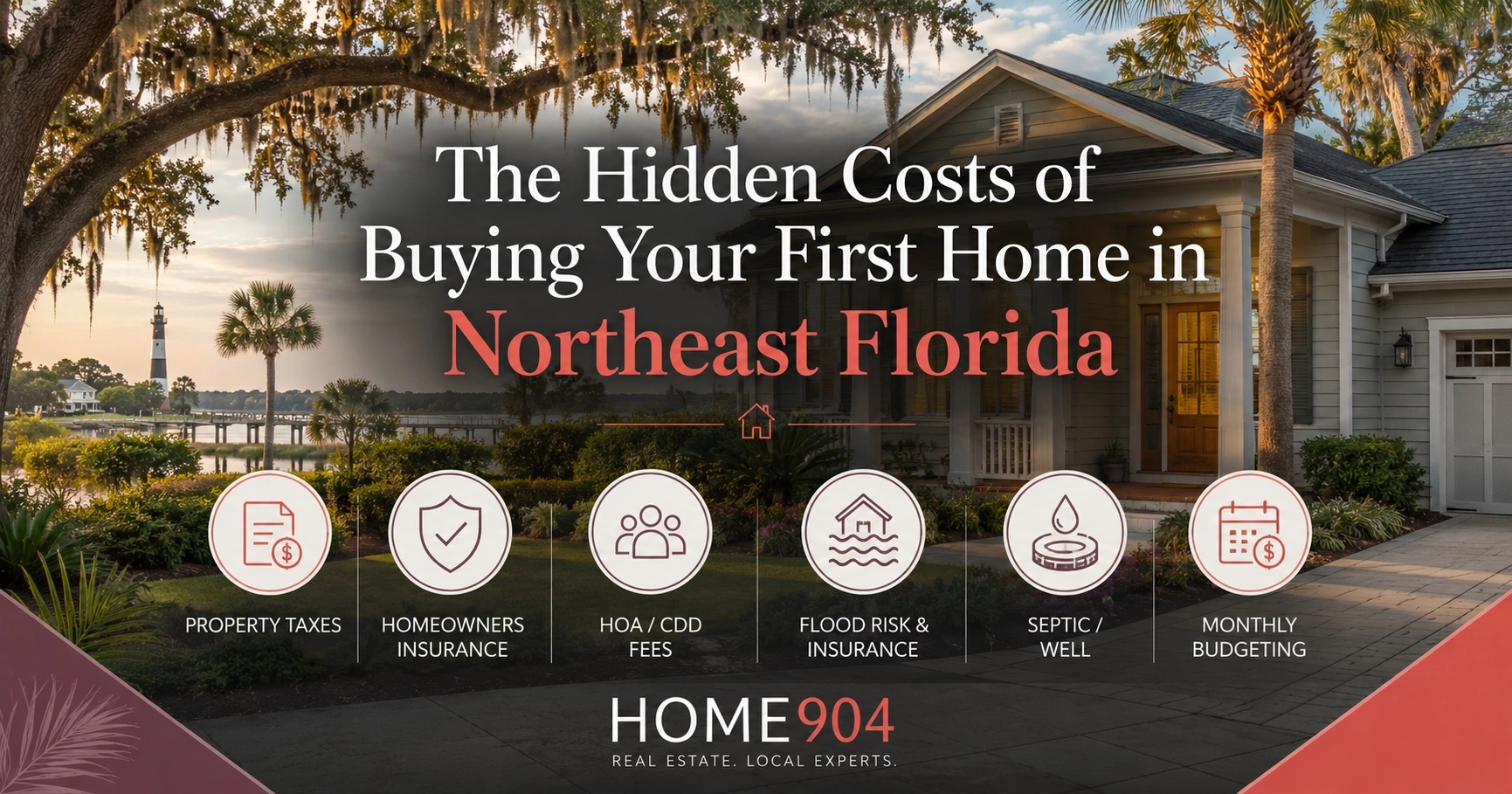
First-time homebuyers in Northeast Florida should budget beyond the mortgage payment because the real monthly cost changes by address. Property taxes can reset after purchase, insurance varies by roof age, flood zone, and coastal exposure, and communities in St. Johns County, Clay County, Nassau County, Jacksonville, and the Beaches may carry different HOA, CDD, septic, well, maintenance, and flood-insurance costs.
First-time homebuyers in Northeast Florida usually start with the mortgage payment. That makes sense. It is the number lenders show first, and it is the easiest number to compare when you are scrolling homes in Jacksonville, St. Johns County, Clay County, Nassau County, or the Beaches. The problem is that the mortgage payment is not the number you actually live with.
The real monthly cost depends on the address. A home near the beach may bring higher wind and flood insurance. A newer master-planned community in St. Johns County may come with HOA dues and a CDD assessment. An older home in Riverside, San Marco, Arlington, or another established Jacksonville area may need a roof, electrical updates, or a 4-point inspection before insurance is comfortable. A home in Middleburg, Green Cove Springs, or rural Nassau County may be on septic and well instead of public utilities.
That is where first-time buyers get stretched. The list price may feel workable, but the full carrying cost can look different once taxes reset, insurance is quoted, and community or maintenance costs are added. In Northeast Florida, the better question is not just, “Can I afford this house?” It is, “Can I afford this house in this exact location, with these exact systems, fees, and insurance requirements?”
The seller’s current tax bill is not a safe estimate for what you will pay after closing. In Florida, the Save Our Homes cap limits how much a homesteaded owner’s assessed value can increase each year. Once the home sells, that protection does not carry over to the new buyer in the same way. The assessed value can reset closer to the purchase price, and the tax bill can move with it.
This matters across Northeast Florida, but it is especially important in areas where longtime owners are selling homes they bought many years ago. A seller in Jacksonville, Fleming Island, St. Augustine, Fernandina Beach, or Orange Park may be paying taxes based on a much lower assessed value than today’s purchase price. After the sale, your estimate needs to be based on what you are paying for the home now, not what the seller has been paying.
Until you have a county-specific estimate, many homebuyers use a rough planning range around 1% to 1.2% of the purchase price per year. That is not a substitute for checking the county property appraiser or tax collector, but it gives you a better starting point than relying on the seller’s old bill.
| Purchase Price | Estimated Annual Taxes | Estimated Monthly Impact |
|---|---|---|
| $350,000 | About $3,500–$4,200 | About $292–$350 |
| $450,000 | About $4,500–$5,400 | About $375–$450 |
| $600,000 | About $6,000–$7,200 | About $500–$600 |
Use this only as a planning range. Before making an offer, check the county tax estimator or ask your lender and agent to run the number against the specific address.
The Florida Homestead Exemption can help if the home will be your primary residence, but it does not erase the reset. It also may not help the way buyers expect in the first year. Build your budget around the post-sale estimate first, then treat any later exemption savings as a benefit rather than a rescue plan.
Taxes are usually the most predictable part of the hidden-cost conversation. Insurance is where the address starts to matter even more.
Homeowners insurance in Northeast Florida is not one flat number. A newer concrete-block home away from the water can quote very differently from an older wood-frame home in an established Jacksonville neighborhood or a beach-adjacent home near Amelia Island, Atlantic Beach, Jacksonville Beach, or Ponte Vedra Beach. Two homes with similar prices can have very different monthly costs once insurance is included.
That is why a lender’s early estimate is not enough. Before you fall in love with a home, you want an actual insurance quote tied to that address, that roof, that construction type, and that flood map position. Otherwise, the monthly payment you are using may be too clean to be useful.
Florida insurance carriers look closely at roof age, roof type, electrical systems, plumbing, HVAC, and wind-resistance features. That matters in older parts of Jacksonville where homes from the 1940s through the 1980s are common. Riverside, San Marco, Arlington, Ortega, Murray Hill, and other established areas can be great fits for the right homebuyer, but the age of the home has to be part of the budget from the beginning.
A roof that is near the end of its useful life may raise the premium, limit carrier options, or create a repair request before coverage is issued. A roof replacement can run into five figures, and that is not a cost most first-time homebuyers want to discover after they are already emotionally committed to the house.
A wind mitigation report can help when a home has qualifying features such as roof-to-wall connections, opening protection, or newer construction details. It can also show where the home falls short. Before you make an offer on an older property, it is worth understanding what a wind mitigation report actually checks and how it can affect your premium.
Homes near the Atlantic, Intracoastal Waterway, St. Johns River, marshes, tidal creeks, or low-lying drainage areas need a closer look. The issue is not just whether the home is beautiful or whether the lifestyle fits. The issue is whether the insurance cost fits the monthly budget.
Flood insurance is separate from standard homeowners insurance. If the home is in a lender-required flood zone, that cost gets added on top of the homeowners policy. Even when flood insurance is not required, some homebuyers still choose to carry it because water risk does not stop neatly at a map boundary.
That is the honest trade-off with coastal and water-adjacent living in Northeast Florida. Beach access, marsh views, river proximity, and island settings can hold strong lifestyle appeal. They can also carry higher insurance costs than an inland home. The right answer depends on the homebuyer, but it should be a deliberate decision, not a surprise.
Newer communities often make the search feel easier. The homes are newer, the streets are planned, the amenities are visible, and the neighborhood presentation is clear. In St. Johns County, parts of Clay County, and newer growth areas around St. Augustine, Nocatee, SilverLeaf, World Golf Village, Durbin, Fleming Island, and similar communities, that can be a real advantage.
The part first-time homebuyers need to slow down for is the monthly structure. HOA dues and CDD assessments can add hundreds of dollars per month to the cost of ownership. They may be worth it if you use the amenities, value the maintenance structure, and want a newer community. But they still have to be counted like part of the payment.
A CDD, or Community Development District, is a special district used to finance infrastructure and community improvements. It may help pay for roads, utilities, drainage, amenities, or other development costs. Homeowners repay those costs through an assessment that commonly appears on the property tax bill.
The important part is that a CDD is not the same as an HOA. HOA dues usually cover community operations, amenities, management, and common area maintenance. A CDD is tied to the district’s financing and assessment structure. When you buy a resale home in a CDD community, you are not starting with a blank slate. You are taking on whatever assessment structure applies to that property.
For a deeper explanation of how this works locally, read how CDD fees are structured in Northeast Florida and when they may be worth the cost.
HOA dues can vary even within the same master-planned community. One section may have a different sub-association, amenity package, lawn maintenance arrangement, gate structure, or condo-style responsibility than another. That is why it is not enough to know that a community has an HOA. You need the amount, what it covers, what it does not cover, and whether any increases or special assessments are being discussed.
The trade-off is simple but important. A newer community may reduce near-term maintenance and offer a more predictable neighborhood setting. An older neighborhood with no HOA or CDD may have a lower monthly fee structure but more house-by-house maintenance risk. Neither is automatically better. The right choice depends on whether the monthly structure fits your life after the closing excitement wears off.
If you are comparing communities with HOA rules, it also helps to understand what Northeast Florida HOA documents actually contain and the questions to ask before closing.
Older Jacksonville neighborhoods can be appealing for good reasons. Many have mature trees, established streets, shorter drives to core parts of town, and a stronger sense of place than some newer subdivisions. Riverside, San Marco, Murray Hill, Ortega, Arlington, and other established areas each have their own feel. The mistake is assuming a lower purchase price always means a lower total cost.
With older homes, the hidden cost is often in the systems. Roof, electrical, plumbing, HVAC, windows, drainage, insulation, and foundation conditions can matter as much as the kitchen or floor plan. A home can look charming in photos and still need expensive work before it is comfortable, insurable, or efficient.
For older Florida homes, insurance carriers often want a 4-point inspection. This inspection looks at the roof, electrical, plumbing, and HVAC systems. If one or more systems are near the end of their expected life, the carrier may require repairs, limit coverage options, or quote a higher premium.
That does not mean older homes should be avoided. It means the offer strategy needs to match the house. If the roof is old, the panel is outdated, the plumbing is questionable, or the HVAC is near replacement, those items should be part of the negotiation and the monthly budget. A lower list price only helps if it is not being offset by repairs you were not ready for.
Before making an offer on a pre-2000 home, review what a Florida 4-point inspection checks and how it can affect your ability to get insured.
Older homes can also carry everyday costs that are easy to overlook. Older windows, less insulation, aging HVAC equipment, or additions that were not designed for today’s cooling needs can make summer electric bills higher. In some denser areas, parking may be more limited than buyers expect. Yard drainage can also vary block by block, especially after heavy rain.
This is where a homebuyer should think about daily life, not just the inspection report. Where will you park after work? How old is the HVAC? How does the yard drain? Does the house feel efficient, or does it look like it will need steady attention? Those questions are not meant to scare you away. They help you understand whether the older-home trade-off is one you actually want.
In parts of Clay County, rural Nassau County, and some less urban parts of Northeast Florida, homes may use septic systems and private wells instead of public water and sewer. That can be perfectly normal for the area, but it is a different ownership model than many first-time homebuyers are used to.
The monthly utility bill may look different, but the maintenance responsibility shifts to you. Septic systems need periodic service. Wells have pumps, pressure tanks, water treatment equipment, and water quality considerations. These are not reasons to avoid a property. They are reasons to inspect the property correctly before closing.
A standard home inspection usually does not fully evaluate a septic system or well. You need separate inspections or tests. For septic, that may include a septic inspection beyond a basic pump-out. For a well, it should include water quality testing and a look at the pump, pressure tank, and any treatment system already in place.
The common first-time buyer mistake is comparing a home on septic and well against a home on public utilities by price alone. If the septic system is older, the drain field is failing, or the well needs treatment equipment, the savings can shrink quickly. The property may still be the right choice, especially if you want more space or a quieter setting, but the private systems need to be part of the offer conversation.
For a fuller breakdown, read the specific questions to ask about septic vs. sewer before buying in Northeast Florida.
Flood risk in Northeast Florida is not limited to obvious waterfront homes. A property near the beach, the Intracoastal, the St. Johns River, a marsh, a creek, or a low-lying drainage area may need a closer look. So can homes that are not directly on the water but sit in an area where drainage, elevation, or storm surge mapping matters.
That is why flood zones should be checked by address. Not by city. Not by neighborhood name. Not by what the home looks like in photos. The same broad area can include homes with very different flood designations.
If a lender requires flood insurance, the cost becomes part of your monthly housing budget. If flood insurance is not required, you still have a decision to make. Some homebuyers choose voluntary flood coverage because the property’s position, elevation, drainage, or local storm history makes them uncomfortable going without it.
This is especially important when comparing Amelia Island, Fernandina Beach, Jacksonville Beach, Atlantic Beach, Neptune Beach, Ponte Vedra Beach, river-adjacent Jacksonville neighborhoods, and low-lying inland areas. The right question is not simply whether the property is “near water.” The better question is what the flood map, elevation, drainage, and insurance quote say about that address.
Before you are under contract, use this guide to checking a Northeast Florida property’s flood zone and understanding what the designation means.
Beach and water-adjacent homes can be worth the added cost for the right homebuyer. The daily access, scenery, resale appeal, and lifestyle can be meaningful. But those benefits need to be weighed against wind insurance, flood insurance, maintenance, salt-air exposure, evacuation considerations, and the general cost of owning closer to the coast.
That does not make coastal living a bad choice. It just means the choice should be made with the full number in front of you. If the payment only works before flood and wind costs are added, the home probably does not work as cleanly as it first appeared.
The safest way to compare homes in Northeast Florida is to build the full monthly number for each property. Not the average for the county. Not the seller’s old tax bill. Not the lender’s first placeholder estimate. The number for that house.
This is especially helpful when you are comparing different kinds of homes: a newer St. Johns County home with HOA and CDD fees, an older Jacksonville home with more repair risk, a Clay County home with septic and well, or a beach-area home with higher insurance exposure. The list prices may point one direction. The full monthly cost may point another.
A newer home in Nocatee, SilverLeaf, World Golf Village, or another planned community may have fewer immediate repair concerns, but HOA and CDD costs can raise the monthly payment. An older home in Jacksonville may have no HOA or CDD, but roof age, systems, insurance, and utilities may require a larger maintenance cushion. A Clay County home with more land may offer space and privacy, but septic, well, and drive-time trade-offs need to be included.
This is the real Northeast Florida affordability conversation. It is not just city versus city. It is property type, age, insurance position, community structure, route, school fit, and maintenance responsibility. Once those pieces are visible, the search usually gets calmer because the trade-offs are no longer vague.
Once you understand the full monthly cost, the next step is deciding how that information affects your offer. Some costs may justify a repair request, seller credit, price adjustment, or simply choosing a different area. How to structure an offer in Northeast Florida when hidden costs affect what you are willing to pay explains that next step.
If you are still deciding which part of Northeast Florida fits your life before getting this specific, start with what to know about each Northeast Florida area before you choose where to focus your search.