
New - 2 Days Ago


$420,000
Active
3
Beds
2
Baths
1642
Sqft
0.5
Acres
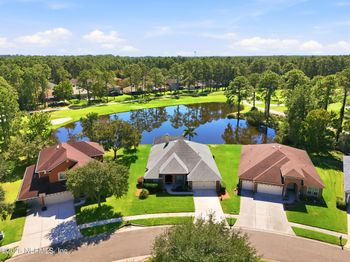
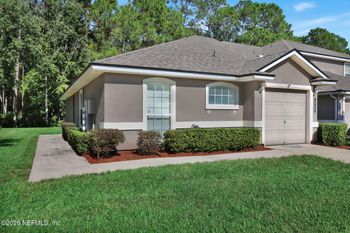
3194 Creighton Landing Rd, Fleming Island, FL 32003
MLS#: 2170761


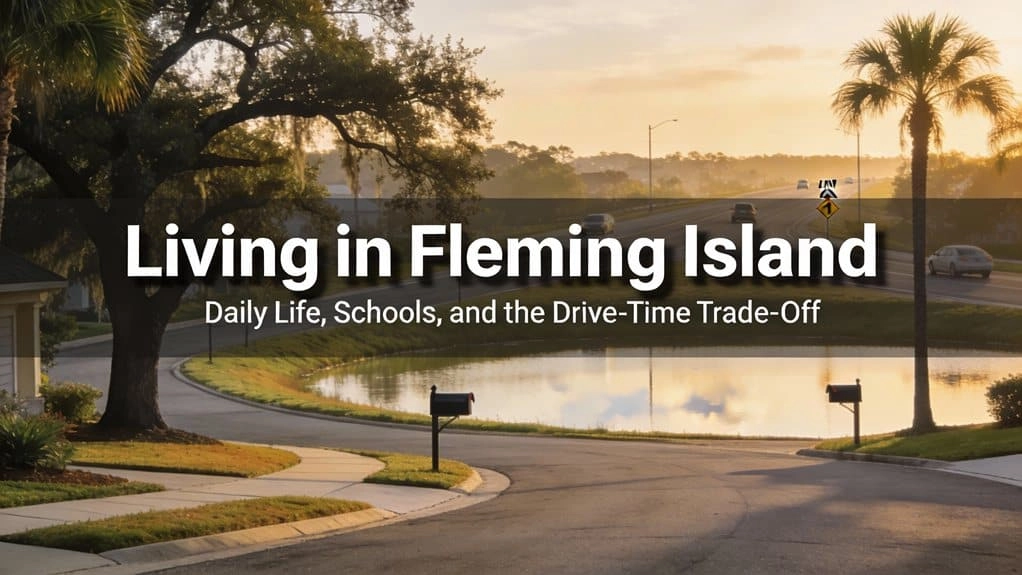
A Fleming Island home might put your grocery run near Town Center, a park by Doctors Lake within reach, and a neighborhood pool down the street. That sounds convenient until you need to make a left turn onto U.S. 17 at the same hour as commuters and school traffic. How well the home works for your weekday routine can matter more than the impression it makes during a weekend showing.
One house may make an afternoon pickup easy but add a detour on the way to work. Another may be farther from the park you like but much easier to get home to. You can test those trips before buying, rather than discovering the trade-offs after you move.
There are less visible details, too: which school an address is assigned to, who sets neighborhood rules, what amenities are included, and how district assessments and insurance affect the cost of ownership. Here is what deserves a closer look.
Town Center errands, planned neighborhoods, Doctors Lake Park and the Black Creek Trail are familiar anchors. The actual drive from a home to each one varies.
Timing matters more than distance. US-17 and CR-220 can feel smooth or frustrating depending on school pickup and commuter flow.
Verify zoning for each address and watch the car-line traffic near the campuses you’d actually use—drop-off and pickup can change your whole weekday.
Many homes have private homeowners association (HOA) rules and dues. Some also fall within a Community Development District (CDD), a separate public district that funds infrastructure and shared amenities through assessments. Check which charges and access rights apply to the address.
Check the address-specific school assignment, association and district documents, current and proposed flood maps, and official public-safety information.
Drive from the home at your regular departure time, then come back during school pickup if that overlaps with your routine. Notice the first turns onto U.S. 17 or CR-220 and whether the trip home still leaves room for the stop you usually make after work.
Before you compare neighborhoods, mark a few everyday destinations on the map. Town Center covers many routine errands; Doctors Lake Park and the trails offer ways to get outside. Those places can be near each other geographically without being equally convenient from every neighborhood entrance.
A practical question to ask at each home is whether the places you would use sit on the way to somewhere else, or require a separate drive.
Around Town Center, it may be possible to combine a grocery stop with a library visit. The Fleming Island Library at 1895 Town Center Blvd even lists a Teen Gaming Center. That is a useful detail if the library is somewhere you would visit after school or on weekends; check its current hours before relying on a particular visit.
You do not need a waterfront home to enjoy time by Doctors Lake. Doctors Lake Park has a 320-foot fishing pier at 2399 Lakeshore Drive North. The county also lists pavilion space and paddleboard rentals. A brief walk on the pier could be an easy outing, but check access and rental availability rather than assuming everything is offered whenever you arrive.
The Black Creek Park and Trail system includes an 8-mile paved path alongside U.S. 17. The county lists trailheads at Black Creek Park, Thunderbolt Park and Camp Chowenwaw County Park. If walking or cycling is part of your routine, compare the drive to the entry point you would actually use, not just the distance to the nearest piece of the trail.
Moccasin Slough offers a more wooded outing in Fleming Island. The 255-acre park at 4393 Raggedy Point Road has trails, a playground, a covered pavilion and a trail section with eight fitness stations. It gives you a public recreation option beyond whatever amenities a neighborhood provides.
These three names come up when buyers compare planned neighborhoods, but the useful differences go beyond gates, pools and landscaping. A home may fall under more than one association, and a public district assessment is different from an HOA fee. Even access to a nearby facility can depend on the specific property and governing rules.
What stands out: Pools, courts, parks and shared spaces put several recreation options close to home. Check which ones a particular home gives you access to.
Everyday question: Would you use the community facilities often, and how would guest parking or reservation rules affect those visits?
Ownership check: Eagle Harbor has multiple master associations and sub-associations, each with its own documents. The separate Crossings at Fleming Island CDD has district responsibilities and boundaries. Verify which apply to the home rather than assuming one community-wide fee or set of rights.
Quick tour test: Use the neighborhood entrance you would take toward U.S. 17 or CR-220 at your regular departure time. Try the return turn, too.
What stands out: Proximity to Town Center errands and community facilities, including pools, courts, parks and a splash park.
Everyday question: Would you combine a Town Center stop with the trip home, or would the location send you back across a busy intersection?
Ownership check: Fleming Island Plantation has a master HOA and a separate CDD that collects annual assessments through the Clay County tax bill. Confirm the assessment, association dues, amenity policies and any extra charges for the actual home.
Quick tour test: Make a normal Town Center stop at your usual after-work hour, then drive back through the neighborhood entrance you would use.
What stands out: Gated access, pools, tennis and basketball courts, a clubhouse, a park, a community dock on Doctors Lake and a connection to the Black Creek Trail.
Everyday question: How would you and your visitors use the gate, and which shared facilities would you visit often?
Ownership check: Review association rules, applicable charges and amenity access. A community dock is not the same as private or deeded dock rights belonging to an individual home.
Quick tour test: Check the trip from the gate to U.S. 17 at your usual travel hour, including how you enter on the way home.
If two homes have comparable floor plans, line up the association documents, tax-bill assessments and amenity policies beside them. You may find that the ownership obligations differ as much as the drive.
School plans often start with a familiar name on a listing, but a nearby campus is not necessarily the assigned one. There is also a difference between the school tied to an address, an optional enrollment application and admission to a particular academic program.
Check the assignment first. Then look at the actual schedule: who will do pickup, whether aftercare is available, and what happens when an activity ends later than the regular school day.
Nearby streets can fall in different attendance zones. Use OneClay’s Find Your School Zone lookup for the exact address, and consult its school maps to see the broader boundaries.
If assignment to a particular campus matters to the purchase, confirm it with the district before making an offer; boundaries can change.
Clay County District Schools offers Controlled Open Enrollment (COE) for applications to schools and grade levels with available space. The current 2026–27 process includes posted openings and application decisions that may involve a waitlist or lottery. Approval is not guaranteed, and the district says parents or legal guardians are responsible for COE transportation.
Official overview: Controlled Open Enrollment (OneClay).
Fleming Island High offers the Cambridge Advanced International Certificate of Education (AICE) program. Its program page currently links a 2027–28 application and preliminary requirements. If AICE is part of your plan, review the intended entry year and ask how the courses, exams, activities and transportation would work together.
For out-of-zone students, admission to the program is not the same as permission to attend the school. The county must also approve a Special Pupil Assignment, which is not guaranteed.
A campus can be close in miles and still difficult to reach when classes dismiss. Visit at the time you would pick up a student. Notice where the car line forms and which turns are slow. One visit gives you a useful snapshot, not a guarantee about every school day.
If pickup is part of your routine, follow the drive to your next actual stop and then home. That can reveal a detour the map distance alone would miss.
For questions about school security procedures and reporting, use official information. Clay County District Schools maintains a Safety and Security hub, and Florida’s FortifyFL provides a way to report concerns. Neither is a school-safety rating.
Start here: OneClay Safety and Security and FortifyFL (Florida DOE).
Before counting on an after-school plan, ask about the campus’s aftercare arrangements, activity times and early-release days. Those details can vary by school and program.
If a student has a practice or club meeting after dismissal, who could handle the later trip? That question matters whether the school is nearby or across town.
Within Fleming Island, shopping and parks may be close. Getting to a Jacksonville workplace is a different calculation. U.S. 17 leads north toward Orange Park and I-295; CR-220 connects west toward Blanding Boulevard. From there, the best route depends on your actual destination and the hour you need to arrive.
For a Southside destination, a St. Johns River crossing may be part of the drive. A trip to another part of Jacksonville can call for entirely different turns. That is why a commute comparison needs to start at the home and end at the destination, not at the highway ramp.
When to compare it: For trips north toward Orange Park, I-295 and destinations reached from there. At the interchange, follow the I-295 direction that serves your destination.
Where it can snag: The intersections around U.S. 17, CR-220 and Bald Eagle Road are worth testing during the hours you would travel. A turn that is easy at midday may take longer when school and commuter traffic overlap.
Buyer note: FDOT documents resurfacing and intersection improvements from Water Oak Lane to Eagle Harbor Parkway. Its project page lists an expected completion period, not proof of current lane conditions. Check current notices and posted signs when you visit.
The SR-23 segment between Blanding Boulevard (SR-21) and U.S. 17 opened August 9, 2025. It provides another route to compare when the connections suit your destination. Clay County documents the opening on its road-projects page. The planned expressway bridge across the St. Johns River is not yet an open crossing.
Try the entire journey from the home, including the streets needed to reach SR-23 and the roads from your exit to work, school, or an appointment. Run the same trip on your usual route at the hour you’d normally travel.
Because SR-23 is a toll road, compare the toll with the full door-to-door experience rather than the expressway portion alone. The First Coast Expressway project overview shows the corridor and its connections.
Town Center may make a pharmacy or grocery stop convenient, but only if the trip fits the direction you are already driving. From another home, you might cross the same busy intersection twice just to pick up dinner.
Trace the entire work-to-errand-to-home journey rather than looking at each distance separately.
Pick a place you would visit regularly, then drive there from the home once during a quieter period and again during your usual travel window. Try the return as well; it may involve different turns.
If you want to avoid getting fooled by a temporary detour or lane shift, Clay County posts weekly road and closure updates here: Road projects and updates.
Doctors Lake, creeks, low spots and neighborhood retention ponds are part of Fleming Island’s landscape. A home backing to water can have a lovely outlook. It also raises practical questions: where does runoff go after a storm, and who maintains the pond or shoreline next door?
The map designation, past drainage issues and the insurance terms can be different from one house to the next. Check them before the property becomes your favorite.
A stain, slope or patch of sod is a reason to ask questions, not a diagnosis. Seller disclosures, inspections and insurance discussions can help you understand what the home needs before you commit.
A weekend showing can tell you a lot about a house and very little about whether guests can park near it, how a gate works after hours or how comfortable a pond-side patio feels at dusk. Those details are worth checking before move-in, especially when two homes otherwise seem comparable.
Compare the ownership costs and rules that come with each home, as well as how your daily routine would work there. They can change the practical value of a feature that looked appealing in the listing photos.
Fleming Island is one option among several nearby areas with different routes, errands and neighborhood arrangements. When you cross-shop, use a destination that actually matters to you. The useful comparison is not which place has the nicest description, but which trade-offs come with each address.
On a comparison weekend, use the same destinations and similar travel hours for each home. If a school run matters, make that test on a school day. The result may not settle every preference, but it will clarify what you would repeat through the week.
Check the school assignment for the exact address, then try one real weekday journey at the hour you’d use it. OneClay’s school-zone lookup gives you the address-based starting point. From the home, drive to the campus, add pickup or an after-school activity, make your usual errand stop, and head home. You’re looking for a routine that leaves some breathing room when the day is full.
Use the district’s zone locator first, then confirm anything that looks “close to the line” with the district directly. In Clay County, attendance zones can shift over time, and an address that feels like it should go to one campus may be assigned differently.
Start here: OneClay – Find Your School Zone.
For 2026–27, Clay County’s Controlled Open Enrollment program accepts applications for K–12 schools and grade levels with space available. Its posted process may involve acceptance, a waitlist or a lottery. A preferred school is not guaranteed, and accepted applicants must complete registration within ten business days of the acceptance email under the current 2026–27 process.
The district says parents or legal guardians are responsible for transportation under COE. It mentions possible state transportation funds, not guaranteed assistance. Check the rules for the school year you need before relying on this option.
District info and application: OneClay – Controlled Open Enrollment (Apply).
Yes. Fleming Island High offers Cambridge Advanced International Certificate of Education (AICE), a coursework-and-exam program with its own requirements. The current program page links a 2027–28 application. For an out-of-zone student, acceptance into AICE is separate from the county’s required Special Pupil Assignment approval, which is not guaranteed. Review the entry-year process and ask about workload, activities and transportation.
Start here: Fleming Island High – Cambridge/AICE Program.
It’s not “always bad,” but it is timing-sensitive—especially around the CR-220 / Bald Eagle Road area and during school pickup windows. The real variable is how quickly you can get from your neighborhood to the route you actually use (U.S. 17 north toward Orange Park/I-295, or west toward SR-21).
Buyer move: Test the actual departure and return hours for your trip. Check the turns between the neighborhood and main road rather than relying on a single map estimate.
Possibly, depending on the address and destination. SR-23 is tolled, and its planned St. Johns River bridge is not an open crossing. Use the First Coast Expressway project overview to see which connections are available. Then compare the trip from your home to an entrance, the drive from the exit to your destination and the toll against a non-toll route.
It depends on the home, financing and insurance policy. Check the current designation in FEMA’s Flood Map Service Center, then ask your lender and insurer about requirements. Clay County is also reviewing proposed flood-map changes; a proposed zone is not yet effective. Request home and flood quotes early, especially for property near water or a low-lying area.
Some rules apply outside mapped high-risk zones. For qualifying new or renewing 2026 personal residential policies with wind coverage, Citizens requires flood insurance outside those zones when dwelling Coverage A reaches $400,000—not when the sale price does. In 2027 the requirement expands for covered policy types regardless of dwelling value. Condominium unit-owner policies, tenant-contents policies and policies excluding windstorm/hail are exempt from this Citizens requirement. Confirm what applies to the actual policy. If coverage is optional, flood risk may still justify it.
Many Fleming Island homes have private homeowners association (HOA) dues and rules. Some also fall within a Community Development District (CDD), a separate public district with infrastructure and amenity responsibilities. A CDD assessment is distinct from HOA dues and general property taxes, even when collected through the property-tax bill, as Fleming Island Plantation’s annual assessment is. Check which organizations apply to the home, their current charges and the tax-bill line items. If the tax total you’re comparing already includes a CDD assessment, don’t add it again.
If you want the quick explainer before you tour: What Are CDD Fees in Northeast Florida? (And When They’re Worth It).
Example district site: Fleming Island Plantation CDD.
Each offers shared facilities, but the ownership arrangements differ. Eagle Harbor has multiple master and sub-associations; Fleming Island Plantation has a master HOA and a separate CDD; gated Pace Island has pools, courts and a community dock. The exact rules, charges and access rights depend on the property, and a shared dock does not establish private dock rights.
HOA details for Eagle Harbor: Eagle Harbor – HOA Information.
Pace Island describes itself as gated here: Pace Island – Community Site.
Use the Clay County Sheriff’s Office Community Crime Map to review reported incidents by location and time period, recognizing that mapped incidents are neither a complete account of every event nor a neighborhood safety rating. Clay County Emergency Management also provides Alert Clay for emergency notifications.
Crime map: CCSO Community Crime Map.
Emergency alerts: Clay County Emergency Management (Alert Clay).
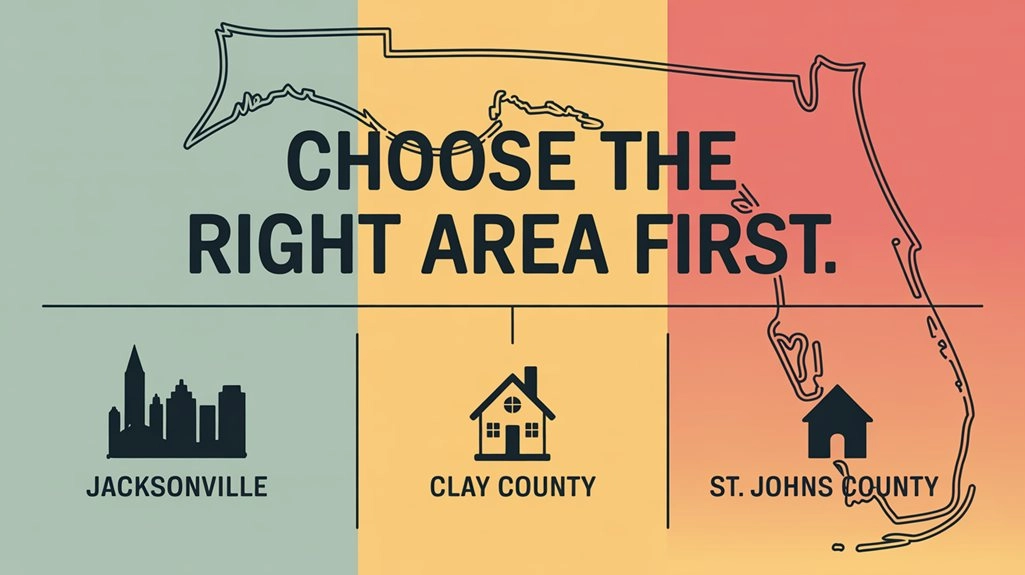
An Orange Park home might make sense for someone reporting to Naval Air Station Jacksonville (NAS Jacksonville). Change the destination to Naval Station Mayport, and that same address raises an entirely different set of driving questions.Both jobs are in the Jacksonville area. But they're on different sides of the region's waterways, and the roads connecting them to a home can make all the differ

An Orange Park address can mean a home near the incorporated town and the St. Johns River—or a property in the Oakleaf area, with different road connections and community arrangements. A Middleburg search might turn up a newer subdivision and an older home on a much larger lot.Those differences can matter more than a neighborhood's reputation. They affect the errands you'll make, the roads you'll

A CDD fee helps pay for a community's infrastructure and ongoing upkeep. In Northeast Florida, it commonly appears on the property's annual tax bill, separate from HOA dues. Paying off a home's CDD debt does not eliminate its ongoing maintenance assessment.The useful question isn't just, “Does this home have a CDD?” It's, “What will I owe for this address, what does that money cover, and is it al
_0001.jpg)
An Orange Park mailing address or listing-city label does not necessarily put a home within the incorporated Town of Orange Park. The Town publishes a Town-limits map and street list; the roads and shopping areas discussed here extend beyond those municipal boundaries.Orange Park gives you access to shopping around Wells Road and Blanding Boulevard, established residential streets, and routes tow