New - 12 Hours Ago


$515,000
Active
4
Beds
4
Baths
2481
Sqft
0.21
Acres
1968 Westend Pl, Fleming Island, FL 32003
MLS#: 2170959


Updated October 25, 2026. Originally published February 15, 2026.
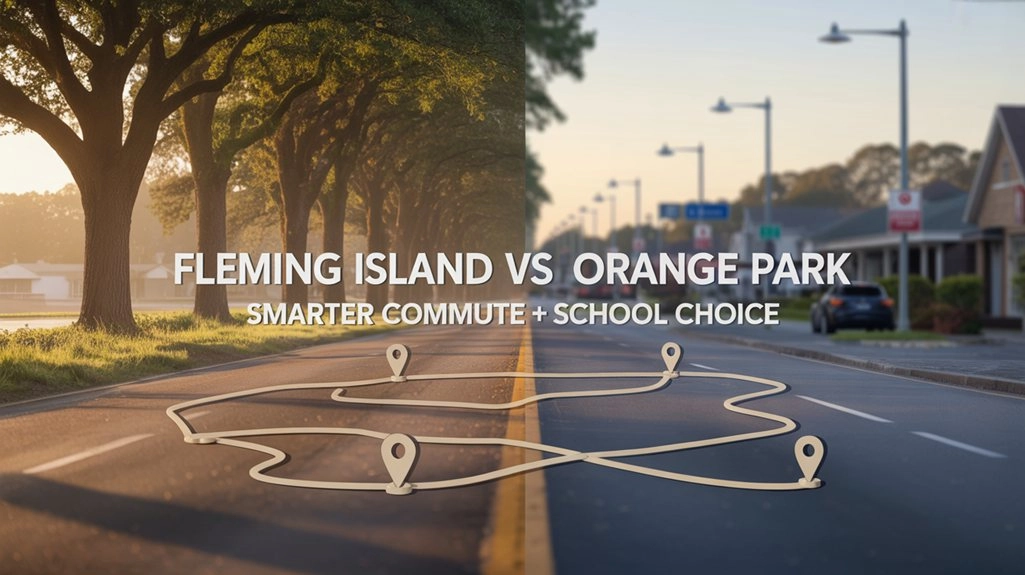
If you’re cross-shopping Fleming Island and Orange Park, you’re not really debating “which one is nicer.” You’re comparing ordinary weekdays: the trip to work, a school stop if you have one, and whether a grocery stop sends you back through an intersection you had already cleared. The answer can change from one address to the next.
Even “Orange Park” needs a closer look. The incorporated town is only part of the wider area that uses Orange Park mailing and real estate listing addresses. A home near Park Avenue and one farther west can have different approaches to I-295; a Fleming Island home’s entrance relative to US-17 or CR 220 matters just as much.
If you’re still deciding at the bigger level (not just these two), this overview helps you zoom out: Jacksonville vs Clay County vs St Johns County: How to Choose the Right Area.
An Orange Park home near Park Avenue could offer a direct US-17 approach toward NAS Jacksonville, while a Fleming Island home might line up regular stops along US-17 or CR 220; the useful choice depends on your actual destinations.
Near the town, US-17 / Park Avenue, Kingsley Avenue (SR 224), and Blanding Boulevard (SR 21) frame many trips. Wells Road links the US-17 and Blanding corridors, while I-295 connects to other parts of Jacksonville. A home with an Orange Park listing address farther west may use a very different approach.
US-17 runs north toward Orange Park, while CR 220 leads west toward Blanding. Which road serves you better depends on the neighborhood entrance and where you need to go. Two roads on a map do not necessarily give a particular home two practical ways to reach work.
A listing may say a house is close to I-295, but the drive still includes the signals, turn lanes, and neighborhood exit between the driveway and the ramp. Check whether an alternate route actually reaches your destination without a long detour; proximity alone is not the whole trip.
For these west-bank destinations, compare US-17 / Roosevelt Boulevard, local streets, and the applicable I-10 approach. Buckman Bridge is not the default crossing for this trip.
For NAS Jacksonville, check your route to US-17 / Roosevelt Boulevard, the gate you may use, its hours, and the drive inside the base. Westside job sites can require different approaches.
Trips toward Baymeadows, Butler Boulevard (JTB), and St. Johns Town Center may use I-295 across Buckman Bridge. Compare the rest of the route and the afternoon drive home.
A Riverside office, a Brooklyn parking garage, and a Downtown building can have different final approaches. From US-17 / Park Avenue, you can follow Roosevelt Boulevard north and compare local streets or an I-10 connection. Some homes may instead reach I-10 through the I-295 west beltway. Those are west-bank trips; crossing Buckman Bridge to the Southside is not the default. Map the actual workplace entrance and parking, not just a pin labeled “Downtown.”
If you work at NAS Jacksonville, the route is not finished when you reach Roosevelt Boulevard. Your authorized gate, its operating hours, and the distance to your worksite inside the base all matter. A home near US-17 may have a direct approach; another Orange Park or Fleming Island address might first require local roads, Blanding, or I-295. For a civilian Westside workplace, test its exact entrance instead of treating every Westside job as the same commute. NAS Jacksonville base information is a useful starting point for gate details.
Here, Buckman Bridge belongs in the conversation: I-295 crosses the St. Johns River toward the Southside. But a job off Baymeadows, an office near Butler Boulevard (SR 202 / JTB), and a stop at St. Johns Town Center are different destinations after that crossing. One home may reach I-295 by US-17; another may approach from Blanding. Try the full route in both directions, particularly if you have a regular stop on the return.
FDOT identifies Exit 10 at US-17 / Roosevelt Boulevard and Exit 12 at Blanding Boulevard (SR 21) / Collins Road. Those connections are not interchangeable for every address or destination. When a listing says “near I-295,” work out which interchange you would actually use and the streets needed to reach it.
Leave when you would normally leave. If you drive to school, include that campus; if your student takes a bus or walks, follow the trip your household would actually make. Skip the extra stop if there isn’t one.
Use your normal quitting time. A school pickup may leave little flexibility, while another household might need to reach a bus stop, an activity, or just get home. Test the trip you’d truly repeat.
Imagine two homes with similar morning drives to work. If a school pickup at one would take you back across US-17 in the afternoon, the return trip could change your preference. Save each home, the workplace, and any real school, bus-stop, or errand destination in your map app. Test the same hours on an ordinary weekday and repeat if possible; a single crash or lane closure is not a reliable picture of the routine.
If traffic crawls one afternoon, was it the usual signal queue, a crash, or a temporary work zone? Each suggests a different risk for your regular drive. The roads below are worth investigating, but they are not a ranking of which community has worse traffic.
Construction can temporarily change the turns available from a particular house. FDOT’s Blanding/Wells improvements had a fall 2026 expected completion, while US-17 work between Water Oak Lane and Eagle Harbor Parkway carried an earlier summer 2026 target. Neither date is confirmation that the work is finished.
Clay County’s October 20, 2026 Radar Road update still described the connection to Town Center Boulevard in Fleming Island as under construction. It placed a US-17 entrance closure and use of the Town Center Boulevard roundabout in an upcoming phase, not as changes already in effect in that notice. The update did not establish that the through-connection was open as a backup route. This is Fleming Island’s Town Center Boulevard, not Jacksonville’s St. Johns Town Center shopping area; use current notices and posted traffic controls to see which approaches are available.
FL511 shows current incidents, congestion, and construction; camera images give another snapshot. Check more than one ordinary weekday if possible, and compare what you see with current road notices. Neither tool promises how a future commute will perform.
Both areas are served by Clay County District Schools, but the trip to school begins with a specific address, not a neighborhood label. Imagine a household with an assigned bus stop near home and another that plans to drive to campus. Even if the work commute looks similar, those mornings and afternoons will be different. Confirm the assigned school and actual transportation arrangements before treating the pickup line as part of every buyer’s routine.
If you drive, which campus entrance and morning bell time shape the trip?
If you pick up, does the dismissal window overlap with your drive from work?
Would activities or groceries send you back across US-17, Blanding, or CR 220?
Use the district’s address → assigned school lookup for the exact property, then confirm the grade and school year with Clay County District Schools if the result is material to your purchase. A listing blurb is not an assignment decision.
A school assignment does not establish bus eligibility or pickup time. The district’s transportation resources link to BusPlanner for assigned stops, routes, and pickup/drop-off times, along with 2026–27 bus registration information. Confirm eligibility, your actual arrangements, and current school bell times before relying on a particular schedule.
If you are considering a school outside the assigned zone, one option is Clay County’s 2026–27 controlled open enrollment process. It is subject to school and grade capacity, deadlines, and selection rules; admission is not guaranteed. The district’s COE FAQ assigns transportation responsibility to the parent or guardian for COE placements. Other specialized programs can have different rules, so confirm the applicable process rather than assuming a home purchase secures a chosen school.
If flood zones are part of your decision, this guide is the clean next step: Flood Zones in Northeast Florida: How to Check a Property and What It Means.
For a NAS Jacksonville commuter, an Orange Park home near Park Avenue may offer a straightforward approach along US-17. Another home with the same Orange Park listing label, farther west, can require a very different trip to the authorized gate. The city name alone cannot tell you which.
A Fleming Island home may put work, school arrangements, and errands along a useful stretch of US-17 or CR 220. But if a regular pickup means crossing back over a main road each afternoon, that convenience needs a closer look. The trade-off is not “easy Orange Park” versus “easy Fleming Island”; it is how each address handles your complete day.
Choose one home you would seriously consider in each area and try the weekday routes at comparable times. Save the homes whose trips fit your routine as you explore other possibilities in Fleming Island and Orange Park.
Want the deeper daily-life breakdown for each side? These two stay focused and practical: Living in Fleming Island: Daily Life, Schools, and the Drive-Time Trade-Off and Living in Orange Park, FL: Daily Life, Commutes, and the Convenience vs. Crowds Trade-Off.






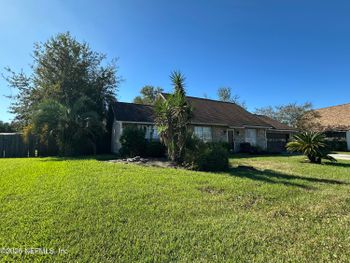


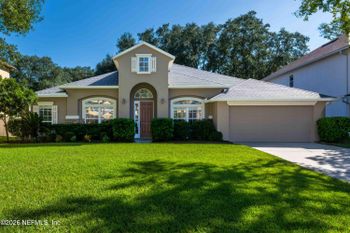
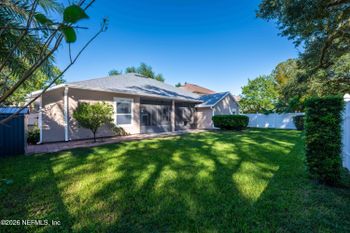
It depends on the two addresses and your destination. A home near US-17 may have a practical approach to NAS Jacksonville; a Southside workplace may call for I-295 across Buckman Bridge. Riverside, Brooklyn, and Downtown are west-bank destinations with different approaches toward Roosevelt Boulevard and I-10.
Compare the trip to your actual work entrance in both directions. Include gate hours for NAS Jax and only the school or errand stops your household would make.
FDOT has documented peak-hour congestion near Blanding Boulevard (SR 21) and Wells Road, where intersection and access improvements have been underway. Also examine Kingsley Avenue (SR 224), US-17 / Park Avenue, and the I-295 ramps if your actual route uses them.
That identifies places worth checking, not proof that every Orange Park address has the same daily delay. Use current road notices for changes in turning access.
Start with US-17 between Water Oak Lane and Eagle Harbor Parkway, including its CR 220 / Bald Eagle intersection area, and check the CR 220 turns you would actually make. These are locations to investigate, not proof of a recurring delay at every junction. FDOT’s summer 2026 expected finish for US-17 work does not confirm it was completed.
Clay County’s October 20, 2026 update still described the Radar Road–Town Center Boulevard connection as under construction. Do not count it as an open alternate route; check current notices for changes.
Use Clay County District Schools’ lookup by exact property address, checking the grade and school year, and confirm material questions with the district. A different campus may require a controlled open enrollment application subject to available capacity; a school location on a map does not guarantee assignment or admission.
FL511 shows current traffic, incidents, and construction; the camera map offers a snapshot. Check the route at the hours you would drive it, then repeat on another ordinary weekday if possible. One closure or clear camera frame cannot establish a long-term traffic pattern.
Make a morning and afternoon test from each driveway: home to work, then work to home, adding any school or other regular stop you actually make. For bus transportation, test your real bus-stop arrangements rather than assuming a daily drive to campus. If you can make only one trip, test the drive home from work at your usual finish time, including any pickup, bus-stop, or errand stop you normally make.
Try the same clock times for both properties. If a lane closure or crash distorts one drive, check current traffic notices and test again before deciding what will be routine.
Want the “daily life” version of each area? Start here: Living in Fleming Island: Daily Life, Schools, and the Drive-Time Trade-Off and Living in Orange Park, FL: Daily Life, Commutes, and the Convenience vs. Crowds Trade-Off.