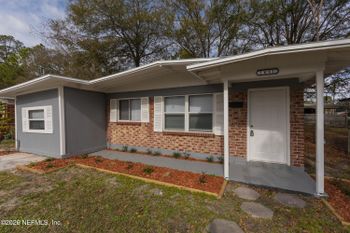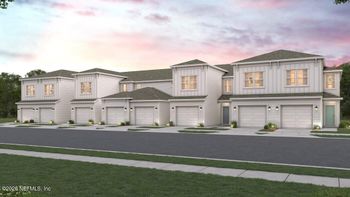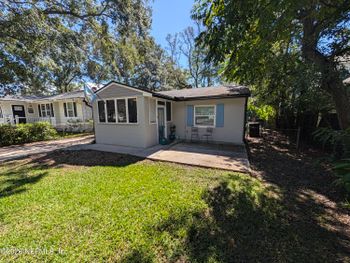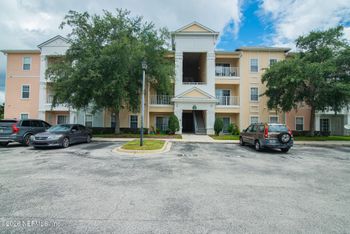



A new Jacksonville housing study released November 10, 2026, found that 162 Duval County census block groups, or 29%, moved into stronger market categories since 2014. Another 32, about 6%, moved down.
That's a substantial shift in parts of Jacksonville. But it doesn't mean every home in a strengthening neighborhood is worth more, or that a seller can justify an asking price based on neighborhood growth alone.
The Jacksonville Market Value Analysis, produced by the Jessie Ball duPont Fund and Reinvestment Fund, is their fourth study of local housing conditions. It combines sales, building permits, foreclosures and occupancy indicators to classify small areas across Duval County and help guide housing investment.
Those classifications reveal how neighborhood markets have changed. For someone buying, selling or assessing home equity, they also raise three practical questions.
1. You're buying: Does the asking price make sense against recent sales?
Imagine finding a renovated home in Murray Hill. The neighborhood has attracted investment, the house looks move-in ready and the asking price seems to reflect that momentum.
But what have buyers actually paid for similar homes?
The Market Value Analysis uses qualifying residential sales from 2024 and 2025 for its median-price indicator, along with measures such as price variation, permits, foreclosures and occupancy. Those indicators describe neighborhood-market conditions, not what a particular home should sell for today.
For an offer decision, start with recent closed sales of homes similar in size, age, condition and location. The Duval County Property Appraiser's sales tool provides transaction records, although each sale still needs to be checked for comparability.
A renovated Murray Hill house may warrant a different comparison than one needing major roof, plumbing or interior work. The difference between those properties matters more to an individual offer than a neighborhood's market classification.
The study's interactive map can help explain the surrounding market. Recent comparable sales provide the evidence for deciding what to offer.
Home904's making an offer guide covers the next steps once you've evaluated the price.
2. You're selling: Are new homes changing which sales belong in your comparison?
One of the study's revealing findings is how new construction has changed the mix of homes selling in parts of Jacksonville.
The report counts 81 new-home sales in rebuilding core areas in 2023 and 153 in 2025.
In a separate analysis of five tracked core areas—Moncrief, Eastside, Springfield, Murray Hill and Northside—new construction's share of sales increased from 4% in 2011–2012 to 20% across the combined 2025-through-July-2026 period. The recent figures are preliminary.
Those findings matter when an older home competes with newly built properties.
Suppose you're selling a decades-old Springfield house. A nearby new home may influence buyer expectations, but its modern construction, systems and layout could make it a poor direct comparable. An extensively renovated older home presents a different comparison from one needing substantial repairs.
The first pricing decision is therefore which sales belong in the comparison set.
Separate new construction, renovated resales and older homes needing work. Then consider size, lot characteristics, condition, improvements and when each property sold. Current competing listings can help show what else buyers are considering, but they don't replace evidence from closed transactions.
The study documents a changing sales mix in Jacksonville's core neighborhoods. It doesn't establish how much any particular older home appreciated.
For sellers in Springfield, Murray Hill or elsewhere in Duval County, pricing still depends on what buyers have recently paid for comparable properties. Home904's selling resources explain how that evidence works alongside preparation and marketing.
3. You already own: How much of Jacksonville's price growth is actually your equity?
The study puts Duval County's longer-term price growth into perspective.
In inflation-adjusted 2025 dollars, the county's median residential sale price increased from $179,000 in 2013–2014 to $295,000 in 2024–2025. The more recent median, however, was only about 5% higher than in 2020–2021 after accounting for inflation.
Those figures reflect the homes sold in different periods, including changes in the mix of properties. They aren't a measure of appreciation for an individual house.
If you're wondering what your home is worth today, begin with a current market-value estimate supported by relevant recent sales. Then subtract your outstanding mortgage and any other debt secured by the property.
That's your approximate equity. If you sell, the amount you receive also depends on transaction costs.
The distinction carries particular weight in areas where rising home values are accompanied by higher ownership expenses. The study's November 10 findings identify displacement pressure near Downtown and along US 90 toward the beaches, where maintenance and insurance costs can strain longtime owners.
A homeowner may have gained substantial equity while facing higher annual expenses. Selling could release some of that value, but it also means covering selling costs and securing another place to live.
For someone deciding whether to stay or sell, compare the property's estimated current value, secured debt, selling expenses and the cost of the next housing arrangement. Home904's Northeast Florida homeownership cost guide covers the expenses that can affect that decision.
If you're comparing an asking price, preparing to sell or evaluating your equity, contact Home904. We can help identify relevant recent sales for a specific Duval County address and work through what those comparisons mean for your decision.