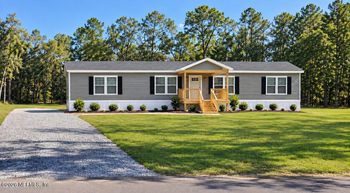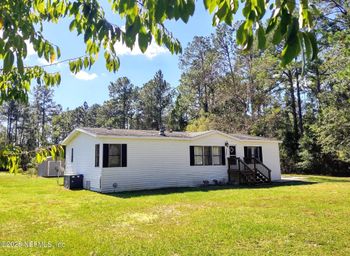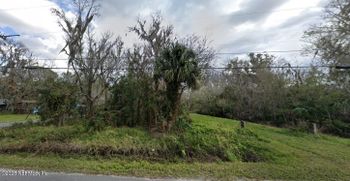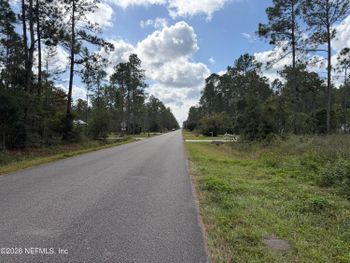


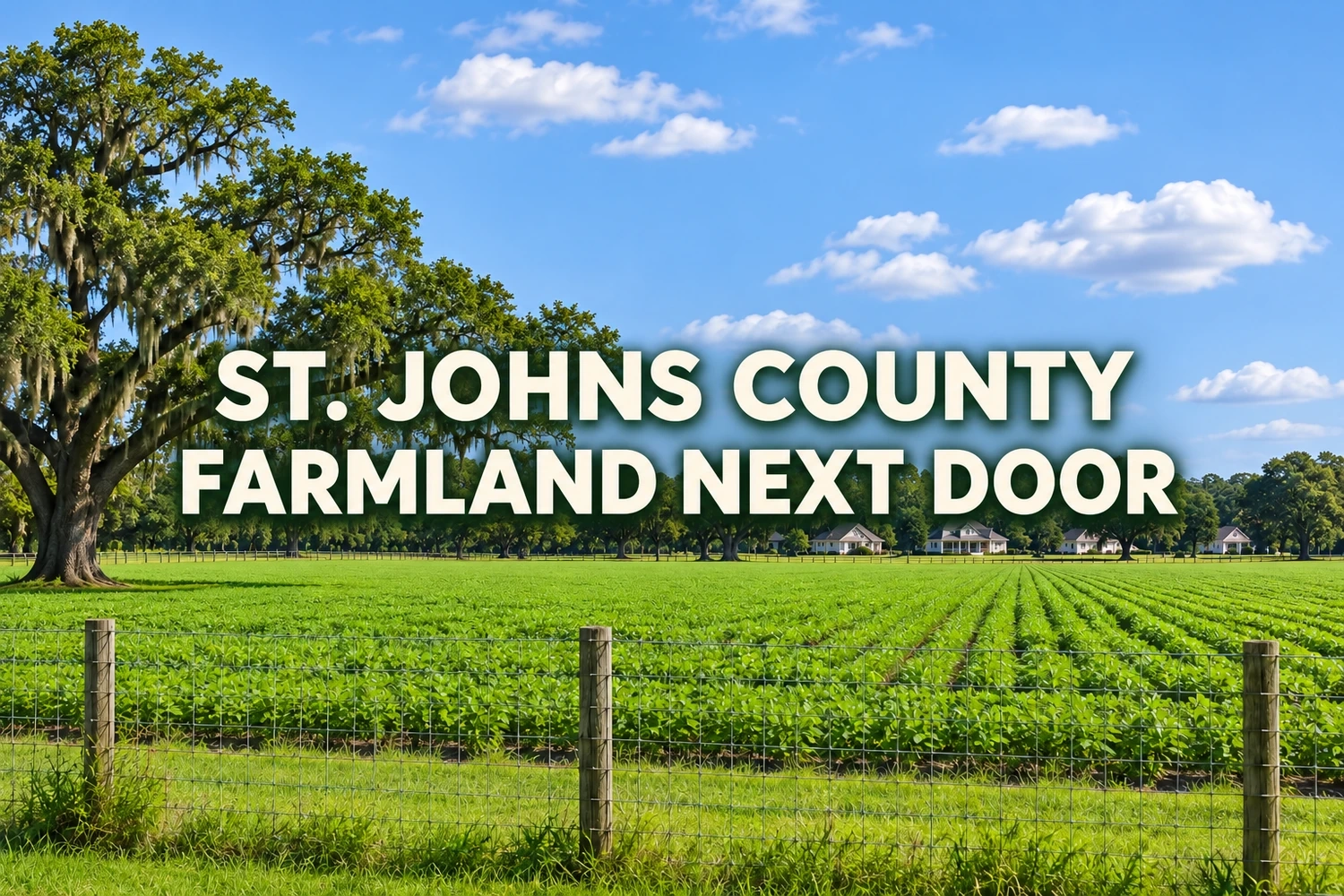
St. Johns County commissioners unanimously denied a request on November 17, 2026, that could have opened a special path toward building homes on about 36.63 acres at 9400 Byrd Road in Hastings, according to the Jacksonville Daily Record.
The decision turned on a disagreement over how much of the property's perimeter bordered qualifying development. The applicant calculated 76.54%. County staff calculated just 63.5%.
That difference prevented the application from meeting the 75% threshold under the particular agricultural-enclave test being used. And it raises a question for anyone buying a home beside farmland. Could that open field eventually become housing, even if no development is approved today?
Three checks can help buyers understand what the Hastings decision means and what to investigate about land next door.
1. Why did St. Johns County deny the agricultural-enclave request?
The Byrd Road application sought agricultural-enclave certification for potential single-family development at a requested density of one home per acre.
But the county's November 17 staff packet confirms that no development plans accompanied the submission. There was no proposed subdivision layout identifying individual homesites, roads or entrances.
The application first had to establish whether the land qualified for certification under Florida law.
The applicant claimed 76.54% of the property's perimeter met the qualifying development test. That would exceed the 75% threshold applicable to the route claimed.
County staff disagreed. Its review counted approximately 63.5%, explaining that vacant neighboring parcels couldn't be counted as existing industrial, commercial or residential development.
The current Florida agricultural-enclave definition includes alternative qualifying categories and other conditions. The 75% developed-perimeter test is therefore not a universal requirement for every agricultural enclave.
For the Byrd Road application, however, the staff's calculation fell short. Commissioners denied the request, according to the November 17 reporting.
2. Could farmland next to a Hastings home still become housing?
Florida's agricultural-enclave law matters because certification can change how residential development proceeds.
Under Florida Statutes Section 163.3162, an owner of qualifying certified land may submit single-family development plans consistent with uses and densities permitted on certain adjacent parcels or developments.
Under the statute's conditions, those plans are treated as conforming even when the property's existing comprehensive plan, future land-use designation or zoning would otherwise differ. Subsequent approval may be administrative, without another quasi-judicial review or public hearing under that special process.
So certification wouldn't authorize construction by itself. It could, however, open a development route that doesn't require the ordinary rezoning process.
The November 17 denial means that route wasn't approved through this particular application. It doesn't permanently prohibit other lawful development, and state law allows judicial review of certification decisions. The statute also preserves protections for land subject to a recorded conservation easement.
This distinction between development rights and actual homes matters elsewhere in the county. Home904's Durbin Park development coverage examines a separate planned-unit-development approval in northwest St. Johns County that created a potential single-family housing option without establishing homes available for purchase. That project follows a different approval process from the Hastings agricultural-enclave request.
For buyers, the important question is what development rights and approvals apply to the particular farmland beside the home they're considering.
3. How can buyers check development plans for farmland next door?
Start by identifying the neighboring parcel.
St. Johns County's GIS and iMap resources allow buyers to look up property boundaries, current zoning and future land use. Check both classifications, since zoning and the comprehensive plan serve different purposes.
Then search the county's Development Tracker for applications involving that land.
Open the actual records and examine the application type, supporting documents, status and decision date. The tracker includes processes with public hearings and others handled differently, so a map marker or application listing doesn't establish that a development has been approved.
Ask county Planning staff whether the parcel has agricultural-enclave certification, pending land-use or zoning requests, submitted development plans or existing approvals. If a project has been proposed, look for its access points, internal roads and drainage plans. Those details can matter to the neighboring home without assuming any particular traffic or flooding outcome.
A field may remain agricultural for years, but agricultural use or a favorable tax classification isn't a permanent promise that the land will stay open.
If you're considering a home beside farmland in St. Johns County, send Susie Takara the listing through Home904's buyer research service. She can help identify the adjoining parcel, gather available county records and prepare questions for Planning staff or the appropriate specialists before you make an offer.