


Fort Clinch State Park: Beach Access, Trails, and Day-Use Logistics
If you live in or near Fernandina Beach, Fort Clinch State Park is one of those places you can use regularly without turning it into an all-day plan. It works for a quick beach walk, a shaded trail walk, a picnic under the oaks, or a “friends are in town” stop that feels like you did something meaningful without running yourself ragged.
This is the practical guide for homebuyers and movers: how you get in, where you park depending on what you’re doing, what the beach access is like, what the trails feel like, and the day-use details that decide whether it becomes a weekly habit or an occasional outing. If you’re also comparing day-to-day life around town, start with the broader area context here: Fernandina Beach real estate and daily-life overview.
Quick scan: the routine version
- Park hours: typically 8 a.m. to sunset (fort/visitor center have daytime hours).
- Day-use fee: typically $6 per vehicle (2–8 people), $4 single-occupant vehicle, $2 pedestrians/bikes (fort admission is separate).
- Beach day: walk-on access via boardwalks; plan for a short carry if you bring chairs and a cooler.
- Trail day: a short nature walk (Willow Pond) or a longer off-road multi-use trail around ~6 miles that can be shortened.
- Low-stress timing: for easier parking and a calmer feel, aim for weekdays before lunch or the first couple hours after opening on weekends.
Where Fort Clinch is on Amelia Island and what getting there feels like from Fernandina Beach
Fort Clinch sits at the north end of Amelia Island. From most of Fernandina Beach, the drive is simple and familiar once you’ve done it once or twice—heading toward the island’s top edge, where the scenery starts to shift into maritime forest and dunes instead of storefronts and stoplights. If you want the broader “how the town works day to day” version (downtown, beach access patterns, and typical routes), this is the companion read: Living in Fernandina Beach: downtown, beach access, and commute routes.
For day-to-day living, this location matters because it’s easy enough to do on a normal day. You don’t need perfect weather or a big plan. A lot of people use it as a quick reset: a beach walk when your week has been loud, or shaded trail time when you want movement but don’t want a gym.
Entry, hours, and fees: what you’re paying for (and what’s separate)
You’ll pay a day-use entry fee at the gate, typically priced by vehicle (with different rates for single-occupant cars and for people arriving on foot or by bike). If your plan includes going inside the fort, fort admission is usually separate from the park entry. For the official, current hours/fees/amenities in one place, use the Florida State Parks Fort Clinch page: Fort Clinch experiences and amenities.
- Park hours: commonly listed as open from morning through sunset.
- Fort and visitor center: daytime hours (if the fort is important to your plan, do it earlier in the day).
- Real-life takeaway: a late arrival still works for a beach walk, but it’s not a safe bet for seeing the fort interior.
Choose your goal first
- If you want the beach: follow signs for beach access/boardwalk areas and park for a walk-on beach day.
- If you want the fort: park in the fort area first so you can do the interior visit during fort hours.
- If you want trails: look for trail access points along the park drive; you can keep it short by turning back whenever you’ve had enough.
If you’re doing beach + fort in the same visit, plan on a short drive between areas inside the park rather than assuming one shared parking lot serves everything.
Beach access: where you park, how you reach the sand, and what the beach feels like
Fort Clinch is a walk-on beach routine. You park in the beach access areas and take the boardwalk approach out to the sand. The walk usually isn’t long, but it’s long enough that you’ll feel it if you’re hauling a full load of gear. Most people who use the park regularly settle into a lighter setup—water, a towel, sunscreen, maybe one chair—then add more only when they’re staying for hours.
The beach here tends to feel more natural and open than the more built-up beach scenes people picture when they hear “Florida.” Outside peak weekend hours, it can feel especially spacious—wide sand, fewer distractions, and that north-end wind that reminds you this is an actual barrier island, not a resort strip.
Facilities near the beach access boardwalks
This is one of the reasons Fort Clinch becomes a repeatable habit: at the beach access boardwalks you’ll typically find restrooms plus outdoor showers and changing areas. That small convenience changes the whole day. You can do a quick walk, rinse off, and get back into your car without feeling like you’re bringing half the beach home with you.
What changes your beach day here: wind, tides, and timing
- Wind: the north end can be breezier than you expect. A light layer helps on cooler mornings, and it’s the reason some “perfect” beach days still feel sharp in the shade.
- Tides: the width of the walkable beach shifts. If your plan is a long shoreline walk, tide timing can decide whether it’s an easy stroll or a lot of weaving and soft sand.
- Weekend timing: if you want quieter beach time, go early. Mid-day on a perfect weekend can feel more like a shared community outing than a quiet reset.
Dogs and everyday routines: what to plan for
If you’re moving with a dog, plan for Fort Clinch to be more of a trail routine than a beach routine. Leashed pets are typically allowed in many outdoor areas, while beach/boardwalk/building restrictions are often tighter. The safest habit is to keep a leash and water in the car, use trails for the regular walks, and confirm current pet rules by posted signage and the official park page before you lock in your routine.
Driving on the beach: what people assume, and how to think about Fort Clinch
Most Fort Clinch beach days are walk-on. That’s part of the trade: you’re getting a more protected, park-like beach experience, and you’re carrying your gear a short distance.
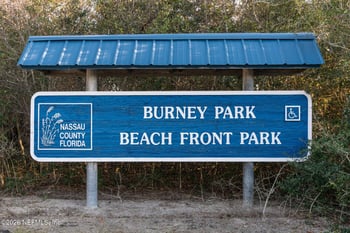
Nassau County publishes rules and time windows for motorized vehicle access on Atlantic beaches, and those rules can change by season. If “drive-on” is central to your beach lifestyle, it’s worth checking the county guidance so you’re not guessing: Nassau County beachfront parks and beach driving rules. For most people living near Fernandina Beach, Fort Clinch still ends up as the reliable walk-on option you can repeat without fuss.
Trails and outdoor routines: short nature walks and longer rides
The trail experience here is very Amelia Island: maritime forest shade, sandy stretches mixed in, and small dune changes that keep it interesting without feeling like a climb. It’s an easy place to get steps or a ride, then still have the energy to stop at the beach afterward.
If you want a short, easy walk: Willow Pond Nature Trail
Willow Pond is the “fits into anything” option. It’s a good first-timer trail because it shows you the quieter side of the park fast, and it’s the kind of walk you can do before the beach, after the beach, or on a weekday when you just want shade without committing to miles.
If you want the longer option: the ~6-mile off-road multi-use trail
Fort Clinch is known for an off-road multi-use trail around six miles that runs adjacent to the park drive and can be accessed at multiple points. That layout matters in real life: you don’t have to commit to the full distance. You can go out as far as you want, turn back, or build a shorter ride based on time and energy.
If you’re biking, think about equipment: a hybrid or mountain bike tends to feel more comfortable on the off-road sections than a beach cruiser. And because it’s multi-use, it helps to ride with a little patience—early mornings are smoother if you want fewer surprises around bends and tighter trail sections.
If you like trails as a weekly habit
A lot of people living near Fernandina rotate between Fort Clinch and other “quick nature” options around town depending on wind, crowds, and how much time they’ve got. If you want another trail-style routine nearby for variety, this guide is useful: Egans Creek Greenway trail access and what the path is like.
What a typical visit looks like (pick the version that fits your schedule)
The 60–90 minute reset
Enter the park, park for the beach access, walk the shoreline for a bit, and rinse off at the showers before you leave. If you’ve got extra time, add Willow Pond. You’ll still be home with plenty of day left, and it won’t feel like you had to plan a trip to get outside.
The 2–3 hour weekend morning
This is the routine that sticks for a lot of people: arrive early, do a longer beach walk while the park still feels calm, then take the edge off with shade and a snack. If you bring simple food and water, the park setup makes it easy to keep the whole thing relaxed.
The half-day with guests: fort first, then beach
If friends or family are visiting, the easiest plan is fort first (during fort hours), then beach time after. That order keeps you from arriving late and realizing the fort is closed. Most people can enjoy the fort in about an hour or two depending on how much they like reading exhibits and exploring every corner.
Day-use logistics that keep the trip smooth
Parking and weekend reality
Fort Clinch is popular because it’s genuinely easy to enjoy, so parking can feel tight on perfect-weather weekends and holidays. If you want the calm version of the park, treat it like a morning plan: weekdays before lunch, or the first couple hours after opening on weekends.
Bathrooms, showers, and what to pack so it doesn’t feel like work
With restrooms and rinse-off showers near the beach access, you don’t need to overpack. The regular-user kit is simple: water, sunscreen, a towel for sand, and something light for wind on cooler days. In warmer months, add bug spray for shaded trail sections if you’re doing more than a quick walk.
Picnic areas and easy meals that work
The park is set up for casual day-use: picnic areas and grills are part of the normal setup, and you’ll see families keeping it simple—cooler, sandwiches, fruit, and a shaded spot instead of a complicated spread. For daily-life use, that matters. Places become habits when they’re easy to do without a checklist.
The fort visit: what’s open, how long it takes, and how often you’ll really do it
The fort is the add-on that makes Fort Clinch feel like more than a beach stop. Most residents don’t go inside every month, but it’s a reliable guest-day plan and a good change-of-pace when you want something structured. It’s also an easy win when you want to show someone that Fernandina Beach isn’t just pretty—it has history you can actually walk through.
- Time budget: plan roughly 60–120 minutes if you want to explore without rushing.
- Hours: fort and visitor center follow daytime hours, so do this earlier in the day.
- Cost: fort admission is typically separate from the park entry.
Why Fort Clinch matters for real estate decisions near Fernandina Beach
When homebuyers say they want to live near the beach, the real question is whether the beach becomes a normal part of your week or stays an occasional outing. Fort Clinch matters because it’s a dependable option that’s easy to repeat: walk-on beach access with facilities, trails that fit different schedules, and enough space that it still feels like nature even when the town is busy.
It also helps you self-sort. If your best weekends are quiet mornings, long walks, and shaded time outside, Fort Clinch fits that life. If your ideal beach day is minimal walking with a trunk full of gear, you can still love Fort Clinch—just expect to balance it with other island beach options depending on the day.
Before you buy near the coast
If Fort Clinch is a big part of your “why Fernandina” decision, pair the lifestyle with one practical check: flood zone and flood insurance implications can vary street by street. This guide is the cleanest way to verify it without guessing: Flood zones in Northeast Florida: how to check a property and what it means.
First visit checklist: how to make it a good day the first time
- Pick an easy time: weekdays before lunch or the first couple hours after opening on weekends if you want simpler parking and a calmer feel.
- Pack for the north end: water, sunscreen, a light layer for wind, and a towel for sand and feet.
- Start with beach access: do the boardwalk walk-out so you understand the carry and where the showers/restrooms are.
- Add one trail: Willow Pond for a short walk, or go out-and-back on the longer multi-use trail if you want more distance.
- If the fort is on your list: do it earlier in the day and plan for fort admission as a separate cost.
- If you’re bringing a dog: plan your routine around trails and outdoor areas, and check posted rules for beach/boardwalk restrictions before you arrive.
- In warmer months: toss bug spray in the car for shaded trail sections.
The best sign Fort Clinch fits your normal weekend routine is simple: you leave thinking, “That was easy—I can do that again,” not “That took all day.” If you’re house-hunting near Fernandina Beach, that’s the kind of everyday-use detail that ends up mattering more than people expect.
_0003.jpg)
_0002.jpg)

_0003.jpg)
_0001.jpg)