New - 11 Hours Ago




_0001.jpg)
Schools are often the most emotional part of this decision, and the reason is practical: school logistics are a daily reality. Start times, pickup lines, after-school care, and zoning by address can shape your routine more than people expect.
Run the address in the official tool and save a screenshot for your notes.
Check elementary, middle, and high—especially if your kids will change grade levels during your ownership.
If you’re considering anything outside the zone, treat it as a bonus until the district’s process and timing are confirmed for your year.
After-school care availability, typical carline timing, and whether transportation is available for your address and program.
If you’ve been searching for a while, run the address again before you commit to a real estate contract.
If you’re still deciding at the county level (not just these two communities), this guide helps you name what matters before you lock in: Jacksonville vs Clay County vs St Johns County: How to Choose the Right Area.
The commute question is really: how does each area connect to Southside, Downtown, and NAS Jax on real weekdays—especially when you hit the same pinch points everyone else hits. The miles may look similar, but the experience can change fast if your route depends on a river crossing or a tight interchange.
If you’re cross-shopping the bigger St. Johns growth path as part of your home search, this comparison can help round out the picture: Nocatee vs Bartram Park vs Durbin: Commute Times, School Zones, and New Construction Reality.
Errands are where a place either feels easy or feels like you’re always running behind. It isn’t just groceries. It’s pharmacy, returns, kid-life errands, and the “we forgot one thing” stop that shows up at the worst time.
The quick test: if you can cover groceries + pharmacy + kid-life errand + an easy dinner pickup without feeling like you’re crossing the map, the area usually feels calmer on weeknights.
If you want another cross-shop comparison that stays focused on roads and daily logistics, this one pairs well: Fleming Island vs Orange Park: Commute Routes, Schools, and Traffic.
In both areas, you’ll run into planned communities where amenities, rules, and extra assessments are part of the deal. Some homebuyers want that structure because it supports amenities and a maintained look. Other homebuyers want fewer rules and fewer layers. Either way, it’s a “know it early” part of a smart real estate search.
If you want the clean explanation of how these fees work (and when they’re worth it), this is the companion read: What Are CDD Fees in Northeast Florida? (And When They’re Worth It).
If HOA rules are a make-or-break for you, keep this one close: HOA Rules in Northeast Florida: What Homebuyers Should Verify Before You Buy.
Weekend fit matters because it shows you what life feels like when you’re not rushing. This isn’t about “things to do.” It’s about whether you have places nearby that are easy enough to use regularly.
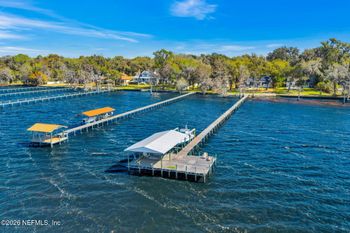
A normal-weekend example helps. On the Julington Creek side, many people handle a short errand run and then swing by a river-side park for an hour. On the Fleming Island side, Doctors Lake and the Black Creek trail setup can fit the same low-effort pattern.
If: Southside / Town Center / Baymeadows commute
Julington Creek often feels more straightforward because you’re usually aiming toward St. Johns County and I-95-side access instead of depending on an I-295 river crossing as a daily feature.
If: NAS Jax or frequently west-side
Fleming Island can be very practical, but it’s worth testing your I-295 timing and your backup route on real weekdays.
If: schools are the non-negotiable
Treat it as an address-level verification, not a general area assumption.
If: thinking long-horizon resale
Focus on the durable drivers you can verify now: your likely job-center routes, the stability of your school assignment for your target grades, and any HOA/CDD layers that could affect buyer demand later.
If you do nothing else, do this. It’s the difference between liking a listing and feeling good about the decision after you move in.
Run the exact address in the official tool and save a screenshot. St. Johns: Attendance Zone Locator | Clay: Find Your School Zone
Run your route at your real weekday departure time using FL511, and check it on more than one day.
Request governing documents early if rentals, parking, boats, exterior changes, or pets are deal-breakers. (Pairs well with the HOA verification guide.)
Confirm whether the home is inside a CDD boundary and what it funds. Julington Creek Plantation CDD | Fleming Island Plantation CDD
Don’t guess. Run the property and understand what the map is actually telling you: Flood Zones in Northeast Florida: How to Check a Property and What It Means.
Use official sources to sanity-check what you’re hearing. Start with FDLE Uniform Crime Reports, then review local resources: Clay County Sheriff’s Office and St. Johns County Sheriff’s Office.
Map your actual weekly run and see which side stays contained for your habits.
Pick one park/trail/water plan you’ll realistically repeat and confirm how easy it is from your likely neighborhoods.