New - 2 Hours Ago


$294,900
Active
3
Beds
2
Baths
1521
Sqft
0.19
Acres
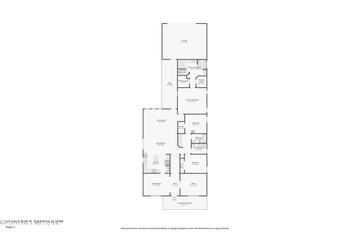
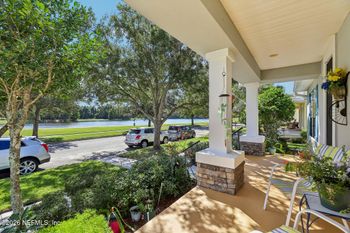
4742 Creek Bluff Ln, Middleburg, FL 32068
MLS#: 2171128


A promising home has to pass two tests: can you live with the property, and can you live with the trips it creates? Use these starting points to decide what to investigate first.
A route north on U.S. 17 works for your job or errands, and shopping on U.S. 17 or CR-220 fits the trips you already make. In a planned community, weigh the amenities against HOA dues and any Community Development District (CDD) assessments. A CDD is a special-purpose local government that can levy assessments for infrastructure and ongoing operations or maintenance.
A particular home gives you the lot or layout you want, and its access to Blanding (SR-21), CR-218, CR-220 or SR-23 makes sense for your destination. The toll road is an option only when the ramps and both ends of the trip work for you.
Pick the least flexible appointment in your week—a base-gate arrival, school dismissal or scheduled pickup. Work backward from that time. A home can be near the right road or school and still make the schedule difficult.
Compare available homes in Middleburg and Fleming Island side by side. Those searches organize listings by area; they do not verify a home’s school zone, HOA, CDD or utilities.
Start with where in Jacksonville you need to go. NAS Jax and Orange Park are on the west side of the St. Johns River, so a northbound U.S. 17 drive from Fleming Island toward the base does not require Buckman Bridge. A Southside destination such as Baymeadows or St. Johns Town Center (not Fleming Island’s Town Center Boulevard) may involve I-295 and Buckman instead. Even “Downtown” needs an endpoint: Riverside or Northbank is a different trip from Southbank. Middleburg homes may reach I-295 from Blanding or another connector. For the larger geography, see Jacksonville vs Clay County vs St Johns County: How to Choose the Right Area.
On one Middleburg tour, a house may be only a turn or two from Blanding Boulevard (SR-21), the northbound road toward Orange Park. The next may be farther along CR-218, where reaching a main road takes a different set of turns. CR-220 and local connectors add possibilities. That first stretch matters before you compare the distance to Jacksonville.
Try the turn out of the neighborhood in each direction. If every trip begins with a left across traffic, see what that feels like at your usual departure hour. This is the part of the route a highway map rarely tells you about.
If your routine regularly touches Orange Park, Living in Orange Park, FL: Daily Life, Commutes, and the Convenience vs. Crowds Trade-Off helps frame what that day can feel like.
In Fleming Island, a house close to U.S. 17 may line up naturally with a trip north toward Orange Park. Another home may send you onto CR-220 first, heading west toward Blanding and the Middleburg/Lakeside corridor. Both roads help you read the map. The neighborhood exit determines how the drive actually begins.
At the subdivision entrance, try the turn you would use most often, then follow your normal route home. Is the grocery stop on the convenient side of U.S. 17, or would it add a turn and a return trip? Two homes close to the same shopping road can work differently.
If Orange Park is part of your search, Fleming Island vs Orange Park: Commute Routes, Schools, and Traffic makes a useful next comparison.
The same turn can work differently at midday, school release and the end of the workday. Check the approaches you would actually use, including signals, shopping entrances and any temporary lane changes.
Retail entrances and turns near U.S. 17 and CR-220 deserve a look on the way home. Test the direction and entrance you would actually use instead of assuming a nearby center means a quick stop.
On SR-21, the practical question is which signals your home-to-work route crosses. Try that stretch during your own departure and return windows; the result may differ by direction.
Work zones can change the lanes or turns you use. Check county project notices and FL511 for current conditions before relying on the route you saw during a previous visit.
Test the outbound commute and the trip home at the times you would really travel. If school pickup is part of the schedule, test that separate leg too. A Saturday visit shows something useful about errands, but it cannot stand in for a weekday drive.
A departure-time estimate can help plan, but one test drive captures only that day. If arrival time is a deal-breaker, try the same trip again at the hours you would normally travel.
Both areas are served by Clay County District Schools. A Middleburg or Fleming Island mailing label, nearby campus or listing description does not establish a school assignment. Use the exact address, intended grade and school year as your starting point; then separate three questions: which school is zoned, whether a different program admits the student, and how that student will get there.
To evaluate an individual campus, look beyond anecdotes and single-number ratings. Florida DOE School Report Cards and Florida School Grades provide school-specific starting points; they do not rank Middleburg or Fleming Island as a whole. Follow up on programs, schedules and services that matter to the student.
Think about the difference between attending a zoned school and applying to attend another one. For 2026–27, Clay’s Controlled Open Enrollment depends on grade-level capacity and selection rules that may include a lottery or waitlist. Under that program, the parent or guardian provides transportation—an added trip that could change which home fits the workday. Other enrollment arrangements have separate rules; use the district’s transportation and BusPlanner resources to check eligibility, stops, routes and registration. Confirm the relevant bell times and any after-school arrangements too.
Fleming Island: Once you know the assigned campus and dismissal time, trace the drive from the neighborhood exit through any U.S. 17 or CR-220 turns. If bus service may work, confirm the approved stop and schedule rather than assuming a nearby school means a nearby bus stop.
Middleburg: From a home near CR-218, the school drive might connect differently to work than one beginning near Blanding. Compare where you would be at dismissal and whether collecting a student requires retracing the morning route.
For a home search that goes beyond these two areas, Moving to Northeast Florida: What to Know Before You Choose a Home provides the wider Northeast Florida context.
Try an ordinary stop on the way home rather than counting shopping centers on a map. Fleming Island has retail along U.S. 17 and CR-220; Middleburg has its own grocery-and-pharmacy hub on Blanding. Plot the same outing from each address—work or school, groceries, pharmacy, home—and notice where you would backtrack or cross traffic.
After testing the weekday drive, try a Saturday one. Would you return often to a paved trail for a walk or ride, or would you rather head toward a natural trail and overlook? These are public destinations for visitors from either community, although conditions and access can change; their usefulness depends on how easily you can reach the entrance from the home.
Clay County describes Black Creek Park and Trail as a paved eight-mile route along U.S. 17, with access choices including Black Creek Park, Thunderbolt Park and Camp Chowenwaw. Check the entrance and trail segment you would use for a repeat walk or bicycle ride. (Black Creek Park and Trail)
Black Creek Ravines Conservation Area, reached from Green Road north of CR-218, offers natural trails and an overlook rather than a paved neighborhood path. It has no boat launch, so creek access is not the same as launching a boat there. (Black Creek Ravines Conservation Area)
Another natural-area outing: Jennings State Forest has several access and trail options. Check the entrance and trail length from the address you are considering rather than treating the forest as a nearby neighborhood amenity.
From the street, Fleming Island Plantation and Middleburg’s Pine Ridge Plantation may both look like familiar planned communities. The ownership details still need not match: governing documents, assessments and amenity rights can differ by development and parcel. A tour shows you the lot and streets. The paperwork shows what obligations come with them.
Check the land and building, too. Once you have reviewed the ownership paperwork, start with the effective FEMA flood map, then review the property’s drainage history, disclosures, inspections and insurance terms. A map label cannot rule out flooding or give you an insurance quote. The companion Flood Zones in Northeast Florida guide explains the steps.
When your commute cannot absorb a detour
Identify the turn, crossing or gate your trip cannot avoid and test it at the hour you must arrive. If that part of the drive makes a fixed work schedule impractical, an otherwise appealing floor plan may not resolve the conflict.
When pickup or bus arrangements must fit fixed hours
Confirm the school, transportation eligibility, bell times and any needed care before deciding that a home works for your schedule.
When you need to use the property a particular way
For an RV, boat, rental, workshop or exterior project, inspect restrictions and permitted use at the parcel level. Neither area comes with a single rulebook.
Put the two homes you are comparing in separate columns. First cross off any that fail a requirement you cannot work around—a base-gate arrival, a school pickup, or a monthly ownership budget you cannot exceed. If both remain, compare the compromises you would repeat: extra turns to groceries, a toll you would pay regularly, or amenities you might rarely use. The local examples below help make those tradeoffs visible.
For homes you are seriously comparing, make these checks against the same actual destinations and the property documents. A listing page cannot settle them.
Use the current OneClay school-zone resource for the address, grade and intended school year. If the result is unclear or a particular school is essential, confirm with the district. Check choice admission and transportation separately.
Drive the actual work or base-gate route in both directions at your usual times. Add the school or errand leg if relevant. Recheck current incidents or roadwork; one test is useful evidence, not a typical-time guarantee.
For reported-incident context, follow the Community Crime Map link from Clay County Sheriff’s Office. Check the dates, categories and reporting coverage. The map does not establish that a street or home is safe or unsafe.
Compare home type and condition, usable lot, actual school needs, utilities, insurance exposure, and association/CDD obligations. City-labeled listing searches are not school-zone or district-boundary maps.
For each home, identify the one turn, signal, interchange, bridge approach or gate you cannot easily avoid. Ask whether there is a workable alternative when that part of the trip is delayed.
Plot Middleburg Crossing or the Fleming Island centers against the grocery, pharmacy and service stops you would actually use. Compare turns and backtracking rather than center names alone.
Future resale prices cannot be predicted from a school assignment or a convenient road. Evaluate the home’s condition, access, restrictions and ongoing costs for your own use, and consider how a later buyer might assess them without assuming appreciation.
Request the HOA/POA documents and any CDD budgets and assessments. Use the Clay Tax Collector to review the property’s current tax bill and listed assessments, then obtain an estimate of taxes after purchase; the seller’s assessed value and exemptions may not apply to you. Do not add a CDD assessment again if it is already in the tax or escrow amount. See What Are CDD Fees in Northeast Florida? for the distinction.
Before a trial drive, review Clay County infrastructure updates and current traffic reports for detours or lane changes. For a route using CR-220, check today’s traffic setup rather than assuming an older project schedule describes it.
Two houses may look equally good on a tour, then reveal different compromises: one makes school pickup workable but limits boat storage; the other accommodates the boat but makes the after-work errand loop harder. Those are property-level tradeoffs, not traits of Middleburg or Fleming Island.
If one home wins on convenience and the other on the property itself, ask which compromise you would face most often—and which one you could not easily change after closing. Settle school transportation, restrictions and ongoing costs before making that call. For a wider view, see Jacksonville Neighborhoods by Lifestyle: How Daily Life Actually Works.
A Fleming Island home might put your grocery run near Town Center, a park by Doctors Lake within reach, and a neighborhood pool down the street. That sounds convenient until you need to make a left turn onto U.S. 17 at the same hour as commuters and school traffic. How well the home works for your weekday routine can matter more than the impression it makes during a weekend showing.One house may
_0003.jpg)
Middleburg is in Clay County, southwest of Jacksonville. Picture two homes there: one with space for a boat trailer and a garden, another closer to Blanding Boulevard with a smaller yard. Both could have a Middleburg address, yet their ordinary weeks may look nothing alike.Black Creek and nearby forest trails add another side to the decision, but a Saturday outing won’t settle the weekday commute
_0003.jpg)
If you’re shopping in Northeast Florida, “flood zone” often comes up after you’ve already noticed the porch, the backyard, or a commute that finally works. Then you see a flood-zone code on a map: AE, perhaps, or X. Neither one tells you whether water has reached the house before, whether the street drains after a summer storm, or what insurance might cost. Here, water can rise from rivers and cr
Updated October 25, 2026. Originally published February 15, 2026.If you’re cross-shopping Fleming Island and Orange Park, you’re not really debating “which one is nicer.” You’re comparing ordinary weekdays: the trip to work, a school stop if you have one, and whether a grocery stop sends you back through an intersection you had already cleared. The answer can change from one address to the next.
The house seems to fit. The driveway accommodates the work van, and the backyard has room for a fence. Then you open the HOA packet: parking restrictions, exterior approvals, and a rental rule you hadn’t considered. Here’s the Florida wrinkle: not every restriction printed in an HOA handbook is necessarily enforceable. Before buying in Northeast Florida, you need to know what applies to this part