New - 1 Hour Ago
$624,940
Active
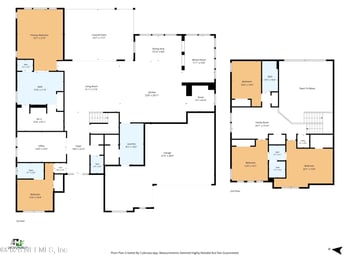
4
Beds
3
Baths
2273
Sqft
0.15
Acres
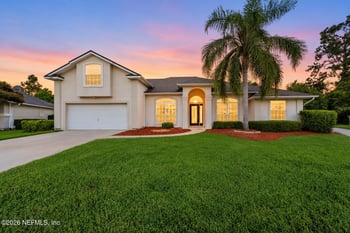
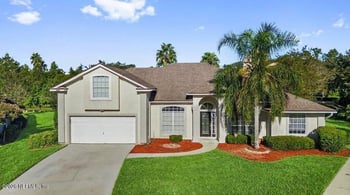
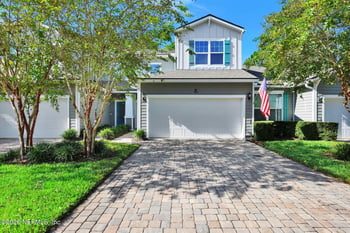
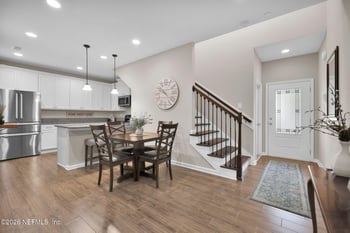
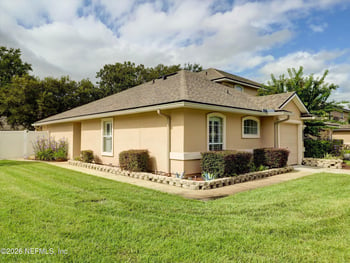
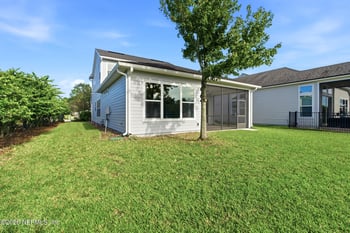
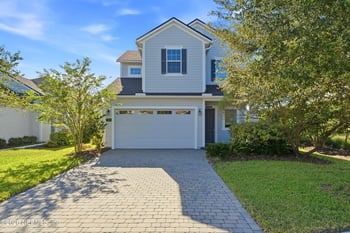
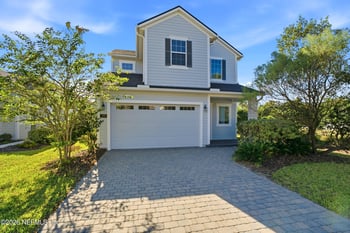
259 Vista Lake Cir, Ponte Vedra, FL 32081
MLS#: 2167745


TL;DR
Fleming Island and Ponte Vedra appeal to retirees for different reasons — lower Clay County taxes and river-suburban convenience on one side, coastal prestige and beach access on the other — but the decision turns on four variables most comparisons skip: total carrying costs once insurance, HOA, and CDD are stacked; storm exposure and evacuation logistics; how far you actually drive for specialist care; and whether your daily routine genuinely needs a beach address or just feels like it does. Build the full monthly cost picture and verify each variable at the address level before treating either community as the obvious choice.
Most retirees comparing these two communities are really comparing a brochure to a brochure. One community gets labeled the quiet affordable option, the other gets labeled the upscale golf/beach paradise, and the comparison ends there — before anyone has looked at what the monthly carrying costs actually are, what storm season feels like from each address, or how the daily drive to a cardiologist plays out at 8:30 on a Tuesday morning.
Fleming Island is an unincorporated community in Clay County, situated along the St. Johns River west of Jacksonville. Ponte Vedra sits in St. Johns County on the Atlantic coast, south of Jacksonville. That county line is not just a geographic detail — it is the root of meaningful differences in property tax millage, flood zone exposure, evacuation zone designations, and the insurance cost structure that follows from all of them. Neither listing agent is likely to walk you through that comparison unprompted.
The retirement decision between these two communities turns on four variables that most comparison articles skip entirely: total carrying costs, storm exposure and evacuation reality, healthcare and daily errand drive patterns, and whether the retiree actually wants river-suburban convenience or coastal prestige. Fleming Island is often framed as the quiet master-planned suburban alternative, while Ponte Vedra gets positioned as the upscale golf/beach paradise — but neither label captures what daily retirement life actually looks like in either place.
The Four Trade-Off Dimensions This Article Works Through
1. Total carrying costs — list price vs. the full monthly stack: property tax, HOA, CDD, homeowners insurance, flood insurance
2. Storm exposure and evacuation reality — Atlantic coastal position vs. inland river location, and what bridge dependence means during a named storm
3. Healthcare and daily errand drive patterns — route corridors, peak-hour variability, and specialist access frequency
4. Lifestyle identity fit — whether the beach or the river actually matches your daily behavior, not your retirement image
The community that looks more affordable on Zillow can end up costing more per month once insurance, HOA, and county tax differences are stacked — and the reverse is also true depending on the specific property. That's where this comparison starts. For a grounded baseline of what Fleming Island daily life actually looks like before the comparison begins, how Fleming Island's daily routines and drive-time realities actually play out is worth reading first.
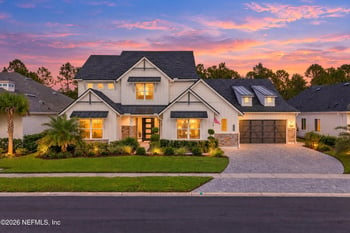
The home in Ponte Vedra is priced higher — but the gap between the two communities on a monthly basis is rarely as wide as the list prices suggest, and sometimes it flips entirely. Lower Clay County taxes are a real and durable advantage for Fleming Island, but the gap narrows or reverses when HOA dues, CDD bond assessments, and flood insurance premiums are added to the monthly stack. Retirees on fixed incomes who compare list prices and stop there are setting themselves up for a budget surprise at closing.
Clay County and St. Johns County operate under different millage schedules, and that difference compounds meaningfully over a retirement horizon. To understand the current gap for a specific property, confirm the applicable millage rate directly with the Clay County Property Appraiser or the St. Johns County Property Appraiser — do not rely on a listing agent's estimate or a comparison article's generalization. The millage rate is one input; the assessed value and any applicable exemptions are the others, and all three vary by address.
Here is where the reasonable costs assumption breaks down. Insurance, HOA, and total carrying costs can erase the apparent affordability advantage if retirees only compare home prices — and this is the single most common financial miscalculation in this comparison. A Fleming Island home without a CDD may look dramatically cheaper than a Del Webb Ponte Vedra property in Nocatee, but a Fleming Island riverfront home can carry flood insurance requirements that a non-waterfront Nocatee home does not. The inland vs. coastal assumption breaks down at the address level.
Communities like Del Webb Ponte Vedra (also known as Riverwood by Del Webb) within Nocatee commonly carry both HOA dues and CDD bond assessments. The CDD bond has a remaining payoff schedule that varies by when the home was originally sold — a resale home may have fewer years remaining on the bond than a new build in the same community. Request the full HOA resale disclosure package and confirm the current CDD bond status and remaining assessment years before writing an offer. Fleming Island Plantation, Fleming Island's largest master-planned neighborhood, has its own HOA structure; verify the current dues schedule and what the master association covers through the resale disclosure, not through the listing.
The Five Cost Lines to Stack Before Comparing Communities
1. Property tax — verify current millage with the county property appraiser (Clay or St. Johns)
2. HOA dues — request the resale disclosure; confirm what is and is not covered
3. CDD bond assessment — confirm remaining years and current annual amount from the HOA resale disclosure
4. Homeowners insurance — pull a current quote for the specific address; wind exposure varies by location
5. Flood insurance (if applicable) — verify the property's FEMA flood zone at the address level via the FEMA Flood Map Service Center before assuming premium profile
Coastal St. Johns County properties face higher wind and flood insurance exposure than most inland Clay County properties — but that generalization does not hold at every address. Pull the current flood insurance quote from a licensed agent against the specific property's elevation certificate and FEMA zone designation before writing the offer. For a deeper look at how CDD fees actually break down in Northeast Florida communities, what CDD fees cover and when they're worth the cost is worth reviewing alongside the resale disclosure.
Once the carrying cost picture is built, the next question is what that cost buys in terms of storm exposure and evacuation reality — which is where the coastal premium gets its hardest test.
The beach view is real — but so is the annual ritual of tracking storm tracks, deciding when to leave, and returning to check for damage. That cycle looks very different from a river-suburban address in Clay County, and most comparison articles understate how much it differs. Storm exposure and evacuation anxiety are a bigger day-to-day concern for coastal living than many comparison articles admit, and the weight of that concern is not just financial — it is logistical and psychological in ways that compound over a retirement decade.
Ponte Vedra's Atlantic-facing position places it in higher wind and surge exposure categories than Fleming Island's inland river location for most storm tracks. Coastal properties near Ponte Vedra Beach are more likely to sit in FEMA AE or VE flood zones, which carry mandatory flood insurance requirements for federally backed mortgages and significantly higher premium profiles. But verify each property's specific zone at the FEMA Flood Map Service Center — do not accept a neighborhood-level generalization. Two properties on the same street can sit in different zones depending on elevation and proximity to the flood plain boundary.
Consider a couple who likes Ponte Vedra's beach-and-golf lifestyle but is trying to decide if the higher insurance, HOA, and storm-related costs are worth it. The financial side of that question can be modeled with the five-line cost stack. The harder side is the preparation cycle: shutter installation logistics, the decision of when to leave ahead of a named storm, the mental load of monitoring storm tracks from June through November every year, and the return trip to assess damage. That cycle is not a one-time event — it is an annual feature of coastal retirement life that does not appear in any listing description.
Fleming Island's inland position feels safer until you factor in bridge dependence during a mandatory evacuation. The Fleming Island Bridge — also called the Doctor's Inlet Bridge — is the primary connector from Fleming Island to US-17, and it is the chokepoint that retirees on the island rarely think about until the first named storm of the season. During a mandatory evacuation, that single bridge becomes the exit point for a significant residential population, and the timing of when to leave matters more than most retirees anticipate when they are shopping for a home in a calm spring market.
Verify current Clay County evacuation zone designations for any specific Fleming Island property through the Clay County Emergency Management office before assuming the inland position means low-stress storm seasons. Being in Clay County rather than coastal St. Johns County does reduce the probability of mandatory evacuation for most storm tracks — but it does not eliminate it, and bridge-dependent communities have their own logistics to plan for.
Storm Season Verification: Two Steps Before You Commit
Step 1: Look up the property's FEMA flood zone at the address level via the FEMA Flood Map Service Center. Do not rely on neighborhood-level zone descriptions.
Step 2: Confirm the property's current county evacuation zone with the relevant county emergency management office — Clay County Emergency Management for Fleming Island, St. Johns County Emergency Management for Ponte Vedra.
Storm risk shapes insurance costs, but it also shapes healthcare access during emergencies — which connects directly to the next question about how far retirees actually need to drive for care when conditions are normal, and what happens to that drive when they are not.
Both communities can point to a nearby hospital on a map — but the retiree making three specialist visits a month cares about the drive at 8:30 AM on a Tuesday, not the straight-line distance. Both Fleming Island and Ponte Vedra are marketed as having top-notch healthcare access, but retirees still worry about how far they actually need to drive for appointments and specialists — and the relevant metric is not which hospital is closest but how many specialist visits per month require a 30-plus-minute drive in unpredictable traffic.
Fleming Island's healthcare corridor runs primarily toward HCA Florida Orange Park Hospital via US-17 and connects to Jacksonville-based medical systems via I-295. That route is generally predictable during off-peak hours, but the US-17 corridor through Orange Park carries its own congestion patterns, particularly during school-related windows. Retirees should verify current specialist availability within the Clay County corridor versus the drive into Jacksonville-based systems — the answer varies by specialty and by which insurance network the retiree carries.
Ponte Vedra and Nocatee residents typically access major medical systems in Jacksonville via I-95 north, or St. Augustine facilities via I-95 south. The I-95 corridor is faster in off-peak hours, but it is subject to significant delay during peak windows and school-related traffic stacking near the CR-210 interchange. Someone who prioritizes easy access to healthcare and everyday errands, then realizes the daily drive patterns differ more than the marketing implies, is not making an unusual discovery — it is the standard experience for retirees who moved to either community based on proximity to a hospital name rather than a tested drive at the relevant time of day.
The retiree who discovers after moving that their cardiologist or oncologist is a 45-minute drive in unpredictable traffic is not dealing with a rare inconvenience — they are dealing with a structural feature of their daily retirement life. A 20-minute difference in each direction compounds significantly over a year of appointments, and that math is invisible when you are shopping for a home on a quiet weekend afternoon.
Healthcare access may look strong on paper, but retirees still worry about how far they actually need to drive for appointments and specialists — and the practical difference between Fleming Island and Ponte Vedra shows up most clearly in the frequency and predictability of that drive, not in the name of the nearest hospital. Retirees with chronic conditions requiring frequent specialist visits should map their specific care providers to each community's route corridor before committing.
Three Verification Steps Before Committing on Healthcare Access
1. Map your current specialist locations relative to each community's address — not the nearest hospital, your actual providers.
2. Test the drive at the time of day your appointments typically occur. A Tuesday at 8:30 AM is not the same as a Saturday at 10:00 AM.
3. Confirm which hospital systems accept your insurance from each specific address — network coverage can differ by county and by zip code within the same metro area.
The healthcare drive question connects directly to the broader traffic and daily errand pattern — which is where Ponte Vedra's prestige address starts to show its friction costs in ways that do not appear in any lifestyle brochure.
The Nocatee town center looks like a retiree's dream on a Saturday morning walk — but the question is what the Tuesday pharmacy run looks like when school traffic is stacking on CR-210. Traffic and commute patterns can make Ponte Vedra feel less convenient for routine errands and medical visits than its prestige suggests, and the retirees who discover this are usually the ones who visited on a weekend before buying and tested the drive on a weekday after moving in.
Fleming Island's daily errand pattern centers on the US-17 corridor, with the commercial cluster near the Buc-ee's at the US-17/Doctor's Inlet Road intersection serving as a practical landmark for grocery, pharmacy, and routine services. Most Fleming Island residents can reach those services without getting on a highway. The bridge adds time for anything requiring a Jacksonville drive, but the local errand run — the pharmacy, the grocery store, the routine appointment — is generally low-friction by suburban standards.
Ponte Vedra's I-95 and CR-210 intersection creates a different pattern. The highway access is genuinely fast in off-peak hours, but the school-related traffic windows on CR-210 and the volume that builds around Nocatee's entry points during morning and afternoon peaks can turn a short errand into a meaningfully longer one. That variability is invisible in the marketing and becomes visible in the daily routine.
Fleming Island's US-17 corridor lacks the lifestyle polish of Nocatee's town center, but it delivers the low-friction daily errand pattern that retirees on a medical appointment schedule actually need. That is the trade-off in plain terms: river-suburban convenience without the resort-style amenity density, versus a nicer suburban town center experience that comes with more traffic friction on the routes that connect to it.
Nocatee's Town Center Boulevard amenity cluster — including shopping districts and restaurant rows where Palm Valley Fish Camp and Aqua Grill draw regular foot traffic from the surrounding communities — is a genuine walkable node for Ponte Vedra-area retirees in master-planned communities like Del Webb Ponte Vedra. But whether a specific property's location within Nocatee or Ponte Vedra Beach actually places it within walking or short-drive distance of that node is an address-level question. Verify the actual distance and route from the specific property before assuming the walkability applies.
Retirees who prioritize low-friction daily routines — short drives to pharmacy, grocery, and medical — often find Fleming Island's suburban convenience underrated in comparison articles. Retirees who prioritize lifestyle amenity density and walkable social infrastructure tend to favor the Nocatee town center model. Both preferences are legitimate; the error is assuming the lifestyle image and the daily errand reality are the same thing. For a direct look at how Fleming Island's commercial corridor compares to a neighboring Clay County community, how Fleming Island's shopping and commute patterns compare to Julington Creek adds useful context to this trade-off.
Once the daily convenience picture is clear, the final question is which lifestyle identity — river-suburban or coastal prestige — actually fits the retiree's social and recreational priorities when the routine is honest rather than aspirational.
The honest question most retirees avoid asking themselves: is the beach a daily ritual or a background feeling — because the answer determines whether the coastal premium is worth it. Most retirees who move to Ponte Vedra for beach access visit the beach regularly in the first year and less frequently as the novelty settles into routine. That pattern does not make the coastal address wrong, but it does make the carrying cost premium harder to justify if the beach is functioning as a psychological anchor rather than a daily-use amenity.
Fleming Island offers a retirement paradise for active adults who prioritize river access, trail systems, and low-density suburban living. Black Creek Park, Jennings State Forest, and St. Johns River boat ramps are durable lifestyle anchors for retirees whose daily routine involves outdoor recreation rather than beach proximity. The river lifestyle — fishing, boating, kayaking, trail walking — is consistently underrated in comparison articles because it lacks the marketing narrative of a beach address. Verify current access and hours with the relevant parks authority before purchasing, as access conditions and facilities can change. Specific riverfront communities like River Breeze in Fleming Island illustrate what the river-adjacent housing options actually look like.
A retiree who wants a quieter, lower-cost home base and is weighing whether Fleming Island's suburban convenience is enough without beach access is asking exactly the right question. The honest answer depends on whether beach proximity is a daily-use amenity or a psychological anchor — and retirees who move to Fleming Island and prioritize active outdoor routines often find that the river lifestyle substitutes effectively for coastal access in ways they did not expect before moving.
Ponte Vedra's beach-and-golf lifestyle is real, and for retirees who genuinely use those amenities daily, it is worth pricing carefully. TPC Sawgrass — home of the PGA Tour's Players Championship — is the defining landmark of Ponte Vedra's golf identity, and the surrounding community has built a retirement image around that association. Eagle Harbor on the Fleming Island side offers golf as well, but without the coastal prestige layer that Ponte Vedra's identity carries.
A couple who likes Ponte Vedra's beach-and-golf lifestyle but is trying to decide if the higher insurance, HOA, and storm-related costs are worth it is facing a question that requires honest daily-use accounting. Golf club membership initiation fees and dues in Ponte Vedra communities stack on top of the purchase price in ways that are not visible in the listing. Verify current membership costs directly with the club's membership office — those figures change and are not reliably captured in comparison articles. HOA fees in communities like Del Webb Ponte Vedra should be confirmed through the HOA resale disclosure, not estimated from online sources.
Retirees considering Ponte Vedra Beach specifically should weigh whether the beach is a daily-use feature or a weekend destination. If it is the latter, the carrying cost premium for a coastal address may not match the actual usage pattern. Both communities attract retirees from outside Florida who underestimate how much the social infrastructure of a master-planned community matters in retirement — verify current amenity access and programming with the HOA or community management before purchasing, as offerings vary and change over time. For a look at what the housing options in Fleming Island's active outdoor communities actually look like, Romeo Point's lot patterns and community profile offers a concrete reference point.
Lifestyle fit is the final filter, but it only resolves the decision when the carrying cost, storm exposure, and healthcare access questions have already been answered — which is exactly the sequence the next section builds into a usable framework.
Most retirees make this decision in the wrong order. They fall in love with a lifestyle image — the beach, the golf, the river — and then try to make the numbers work around it. The carrying cost surprise, the storm-season anxiety, and the healthcare drive frustration are not random post-closing regrets. They are predictable outcomes of skipping to lifestyle before resolving cost and risk.
The decision between Fleming Island and Ponte Vedra for retirement resolves most cleanly when the four trade-offs are sequenced in this order:
The Five-Step Verification Checklist Before Committing to Either Community
1. Address-level FEMA flood zone lookup — use the FEMA Flood Map Service Center for the specific property, not the neighborhood
2. HOA and CDD resale disclosure review — request the full package; confirm CDD bond status, remaining years, and what the HOA covers
3. Current millage confirmation — verify with the Clay County Property Appraiser or St. Johns County Property Appraiser for the specific address
4. Specialist provider mapping — locate your actual current providers relative to each community's address and test the drive at your appointment time of day
5. Daily errand route test — drive the pharmacy and grocery route on a weekday morning, not a weekend afternoon
Insurance, HOA, and total carrying costs can erase the apparent affordability advantage if retirees only compare home prices — and that calculation has to come first, before the lifestyle question is even asked. Retirees who prioritize cost predictability, low storm-season anxiety, and low-friction daily routines will find Fleming Island's quiet master-planned suburban character a better match than its reputation as the merely affordable option suggests.
Retirees who genuinely use beach and golf amenities daily, have the financial cushion to absorb coastal insurance and HOA variability, and are comfortable with the storm-season preparation cycle will find Ponte Vedra's coastal prestige worth the premium. Fleming Island offers lower upfront and carrying costs while Ponte Vedra offers coastal prestige and beach access at a much higher price point — but the more useful framing is that Fleming Island delivers river-suburban convenience for retirees whose daily routine fits that model, while Ponte Vedra trades some of that convenience for a more upscale resort-style retirement image.
Neither community is a wrong answer. The decision turns on honest self-assessment of daily behavior — how often you actually use the beach, how frequently you drive to specialists, how much the storm-season preparation cycle will weigh on you — not on which community has the better marketing narrative. For context on how Fleming Island's daily errand and commute profile compares to nearby Clay County alternatives, how Middleburg and Fleming Island compare on commute routes and daily errands adds useful reference for retirees still calibrating the Clay County side of this decision. And if you want to explore specific Fleming Island housing options to anchor the framework in real properties, Fleming Island Plantation's community structure and housing types is a practical starting point.