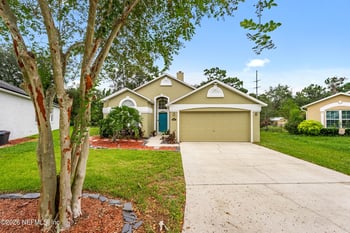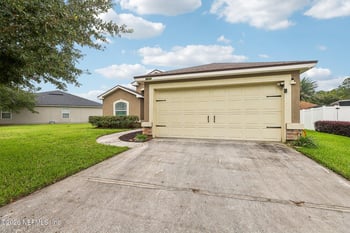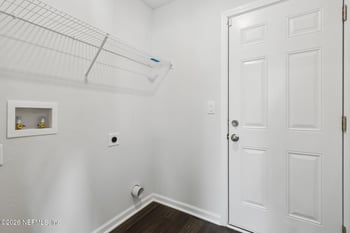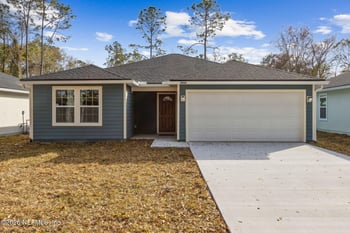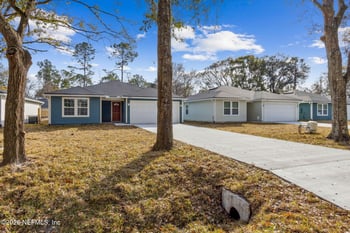
New - 30 Mins Ago
$700,000
Active
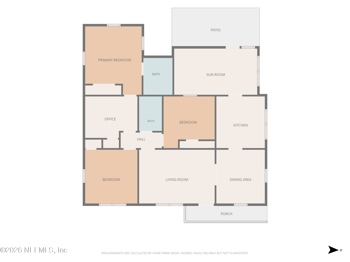
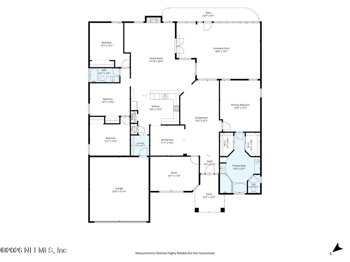
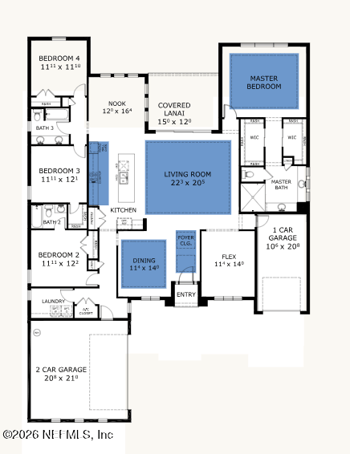
4
Beds
4
Baths
3367
Sqft
0.61
Acres
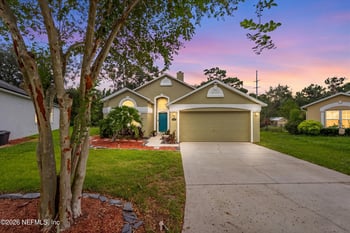
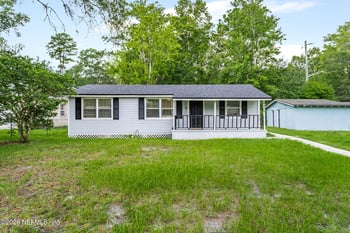
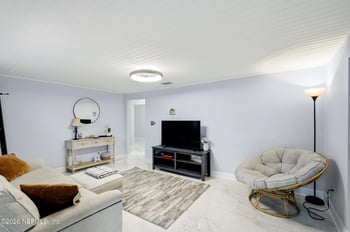
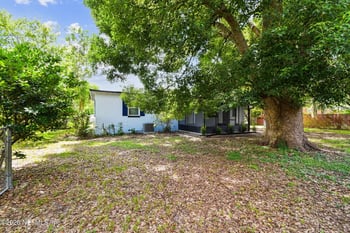
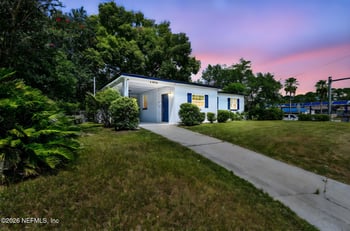
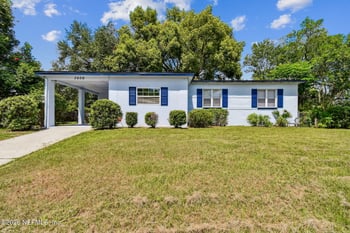
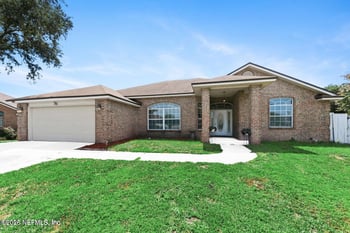
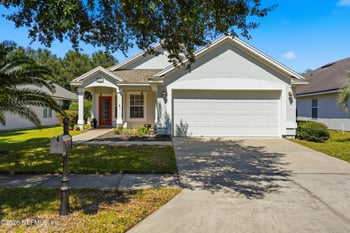
2423 Castellon Dr N, Jacksonville, FL 32217
MLS#: 2167053



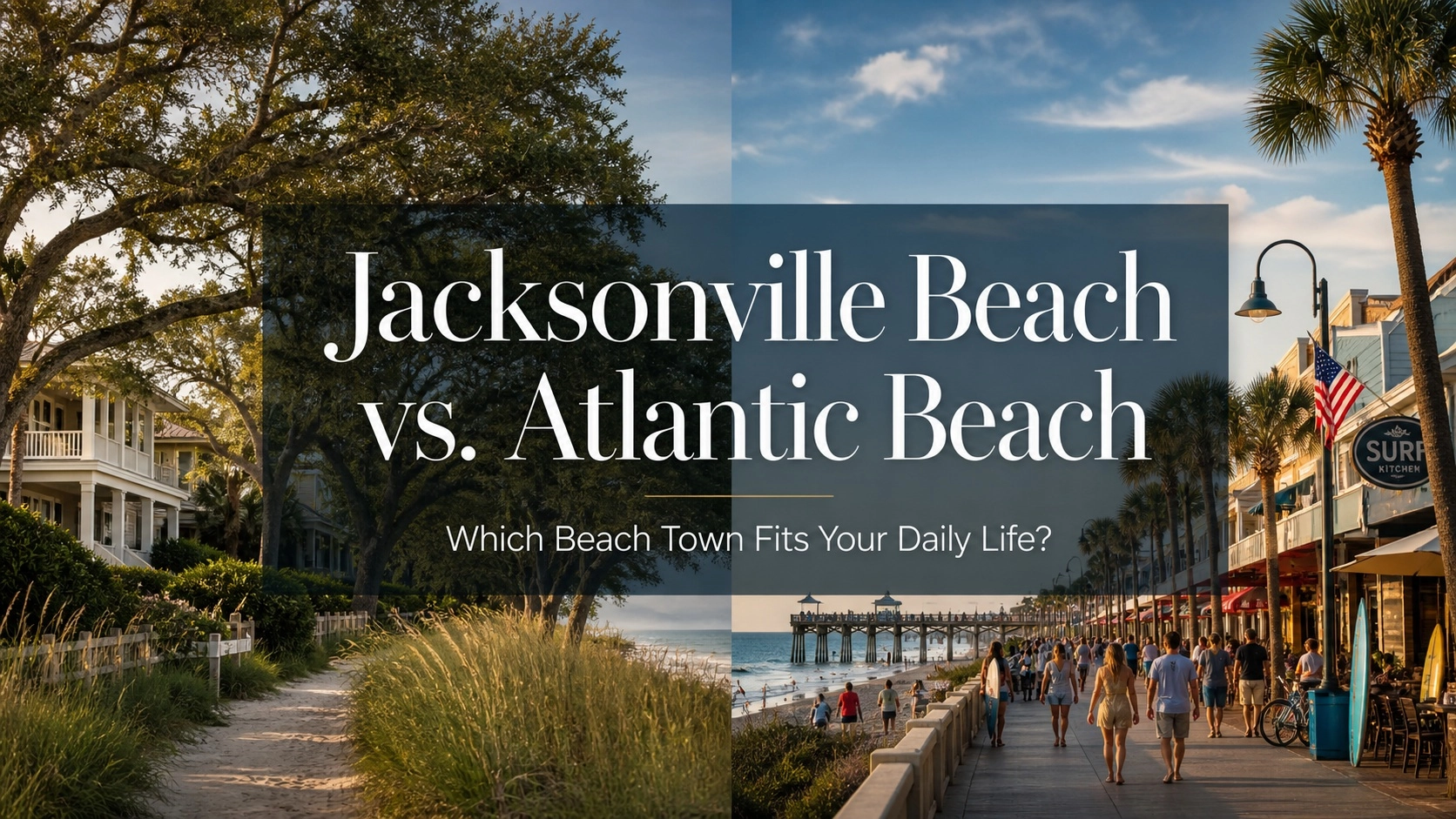
Atlantic Beach and Jacksonville Beach are less than 3 miles apart but serve meaningfully different daily lives. Atlantic Beach is quieter and more residential — better for families, remote workers, and commuters heading to Arlington or downtown. Jacksonville Beach is livelier and more walkable — better for young professionals and Southside or Nocatee commuters.
Every article about these two towns says Atlantic Beach is quieter and Jacksonville Beach is livelier — but that framing is useless if you're trying to figure out where your kids will go to school or how long your commute to San Marco will actually take. The quiet/lively label is a starting point, not a decision.
Atlantic Beach and Jacksonville Beach sit less than 3 miles apart along A1A in Duval County, both part of the First Coast's beach communities. They share a coastline and a county school system. But they serve meaningfully different daily routines — and choosing the wrong one based on a general impression is the kind of mismatch that shows up every single weekday, not just on weekends.
This article addresses the gap between a quieter beach-town feel and the practical needs of families, commuters, and remote workers — four specific questions that the standard comparison never answers: Which town actually works for school-age kids and routines? Which one works well for remote work? How does the commute play out depending on where in Jacksonville you're headed? And what does the day-to-day lifestyle-fit look like for young professionals versus retirees?
| Atlantic Beach | Jacksonville Beach |
|---|---|
| Quieter, more residential | Livelier, more walkable |
| Less cross-traffic and congestion | More tourist-oriented on weekends |
| Varied lot sizes, older residential pockets | New construction west of A1A |
| Better for families, retirees, remote workers | Better for young professionals, Southside commuters |
Before comparing neighborhoods, you need to understand what each town is actually built for — and that starts with who already lives there and how their days actually run. If you're also weighing how the Beaches fit into the broader Jacksonville area, how Jacksonville neighborhoods break down by lifestyle gives useful context before you narrow to a specific beach town.
The difference between these two towns isn't just about nightlife — it shows up at 8am on a Tuesday when you're trying to get out of your neighborhood. Atlantic Beach is quieter and more residential in ways that are observable and consistent: tree-lined streets, dog walkers, kids on scooters, and noticeably less cut-through traffic. That's not marketing language. It's what the neighborhood actually looks and sounds like on a weekday morning.
Atlantic Beach sits at the northern end of the Beaches area, closer to Mayport Naval Station and Kathryn Abbey Hanna Park. That position creates a natural buffer from the heaviest beach-town congestion. Residents aren't dealing with the same volume of through-traffic that funnels through the central Beaches corridor, and that difference is noticeable in daily errands, school drop-offs, and weekend mornings. The housing stock reflects the same pattern — varied lot sizes, older residential pockets, and a neighborhood texture that hasn't been redeveloped into uniform condo rows.
Jacksonville Beach sits at the center of the Beaches area with direct walkability to dining, the pier, and nightlife along Beach Boulevard. Jacksonville Beach is livelier in a way that's structural, not seasonal — the town's layout is built around foot traffic and commercial activity, and that energy is present year-round. Weekends are more tourist-oriented, with the pier area and surrounding blocks drawing visitors from across the region. The housing inventory reflects this too: more new construction west of A1A, including townhomes, condos, and gated communities, which changes the neighborhood texture compared to Atlantic Beach's spread-out residential pockets.
Here's what buyers often underestimate: Jacksonville Beach's walkability advantage flips into a noise and congestion disadvantage for anyone who works from home or has young kids on a strict schedule. The same proximity to restaurants and bars that makes Saturday night easy makes Tuesday morning louder. That texture difference matters most when you apply it to a specific lifestyle — and families with school-age kids feel it first.
You can browse current Jacksonville Beach listings including the new construction and condo inventory to see how that housing texture plays out in actual available properties.
Atlantic Beach feels better for families — but "feels better" isn't enough when you're enrolling kids in school and building a daily routine around drop-offs, after-school activities, and weekend safety. The calmer atmosphere is real and measurable in traffic patterns and neighborhood texture, but families need specifics on whether that actually translates into a better fit for school-age kids and routines.
Both Atlantic Beach and Jacksonville Beach fall under Duval County Public Schools. That means the school zone question is not a town-level comparison — it's an address-level one. Two homes a few blocks apart can feed different schools, and the ratings gap between specific Duval County schools is wider than most buyers expect. Parents moving to the Beaches often assume the quieter town automatically means better schools. That assumption can lead to a costly mismatch if the actual school zone doesn't match expectations. Verify zone assignments by specific address before you commit to a neighborhood, not after.
What Atlantic Beach does offer families — concretely — is a neighborhood rhythm that supports school-year routines. Less cut-through traffic means kids can move around the neighborhood more independently. The residential pockets near the town center have a stability that Jacksonville Beach's higher-turnover areas don't replicate as consistently.
Hanna Park, located at the northern edge of Atlantic Beach, gives families direct access to trails, a freshwater lake, and beach access without the weekend crowd pressure of Jacksonville Beach's pier area. That's a meaningful difference on a Saturday morning when you want outdoor time without navigating tourist traffic. The Atlantic Beach Town Center area also provides low-key commercial access — grocery runs, coffee, errands — without the congestion that builds around Jacksonville Beach's more tourist-oriented commercial strip.
Important: School zone assignments must be verified by specific address — Duval County zones do not follow town boundaries cleanly. Do not assume Atlantic Beach's calmer feel means a specific school assignment.
The family fit question is mostly settled by neighborhood feel and school zones. But the commuter question is where the two towns diverge most sharply in practical terms — and that divergence depends entirely on which Jacksonville neighborhood you're driving to.
Both towns advertise easy access to Jacksonville — but easy access to Riverside is not the same as easy access to Mandarin, and the route that works for one destination can add 20 minutes to another. The commute question isn't just about distance; it's about which corridor you're entering and when.
The baseline every commuter needs to internalize: drives to downtown Jacksonville, Southside, Riverside, or the airport take roughly 25 minutes in normal conditions but can double during rush hour via Beach Boulevard, Atlantic Boulevard, or JTB. That doubling isn't occasional — it's a reliable feature of the Beaches corridor during peak hours.
Jacksonville Beach connects directly to Beach Boulevard and JTB, making it the faster starting point for Southside, Mandarin, and Nocatee commuters under normal conditions. But Jacksonville Beach also absorbs more weekend tourist traffic that bleeds into weekday mornings — the same corridor that gives you JTB access is the most congested stretch in the Beaches area during peak hours. The commuter advantage is real, but it comes with a congestion cost that doesn't show up in off-peak drive times.
Atlantic Beach sits farther north, making Atlantic Boulevard the natural route. That works better for Arlington, downtown, and Riverside commuters — and it avoids the worst of the Beach Boulevard backup. A buyer who chooses Atlantic Beach because they want a quieter, more residential setting but still needs to commute into Jacksonville several days a week is making a sound choice, provided their destination is Arlington, downtown, or Riverside. If they're headed to Mandarin or Nocatee, the math changes.
| Destination | From Atlantic Beach | From Jacksonville Beach | Best Route |
|---|---|---|---|
| Downtown / Riverside | ~25 min / 45–50 rush | ~28 min / 50+ rush | Atlantic Blvd (from AB) |
| San Marco | ~28 min / 50 rush | ~30 min / 50+ rush | Atlantic Blvd or Beach Blvd |
| Arlington | ~20 min / 35–40 rush | ~30 min / 45+ rush | Atlantic Blvd (from AB) |
| Mandarin / Southside | ~35 min / 55+ rush | ~28 min / 50 rush | Beach Blvd / JTB (from JB) |
| Nocatee | ~45 min / 60+ rush | ~35–40 min / 55+ rush | JTB to US-1 |
Times are estimates under normal and peak conditions. Verify your specific commute before committing to a neighborhood.
Nocatee commuters face the longest drive from either town — roughly 35–45 minutes in normal conditions via JTB to US-1 — and should factor that into the lifestyle-fit calculation before choosing the Beaches over a St. Johns County address. Commuters often choose a beach town for lifestyle reasons and then discover the commute math doesn't work for their specific Jacksonville destination — and that mismatch is expensive to undo after closing. If you're weighing the Beaches against other Northeast Florida locations, how Jacksonville compares to Clay County and St. Johns County on commute and lifestyle trade-offs is worth reading before you decide.
The commute question is mostly about route and destination. Remote workers have a different set of concerns entirely — and those don't show up on a map.
Remote workers are told both towns are great for coastal living — but working from home in a neighborhood that fills with tourists every Friday afternoon is a different experience than working from a quiet residential street. The lifestyle pitch is the same; the daily reality is not.
Remote workers need more than a general quiet vs lively comparison. The real questions are whether the neighborhood is calm enough to focus during work hours, whether there are reliable third-place workspaces nearby, and whether internet infrastructure supports video-heavy workflows. Atlantic Beach's quieter, more residential setting makes it more conducive to working from home — less foot traffic, less ambient noise from bars and restaurants, and a neighborhood rhythm that doesn't spike on weekday mornings. A remote worker comparing the two areas based on noise, day-to-day distractions, and whether the neighborhood feels conducive to working from home will find Atlantic Beach consistently steadier across the full work week.
Jacksonville Beach works well for remote work in a specific way: it suits workers who need to get out of the house and thrive on social energy. The walkable access to coffee shops near the pier area and along the main commercial corridor is a genuine advantage for that profile. But Jacksonville Beach's weekend energy bleeds into weekday mornings in ways that disrupt work rhythm — that's a livability cost that doesn't show up in a listing. By 11am on a Saturday, those same streets are loud, and the neighborhood doesn't fully reset until Monday afternoon.
Both towns have access to standard cable and fiber internet providers typical of Duval County. Neither has a meaningful infrastructure edge over the other, so the workspace decision comes down to home environment and third-place options — not download speeds.
On housing layout: Jacksonville Beach's new construction west of A1A — townhomes, condos, gated communities — often includes modern home-office layouts with dedicated rooms and better soundproofing. Atlantic Beach's older residential pockets have varied lot sizes and more character, but may require renovation to carve out a dedicated workspace. That's a real cost difference worth pricing in before you decide the quieter town is automatically the better remote-work choice.
| Factor | Atlantic Beach | Jacksonville Beach |
|---|---|---|
| Noise level (weekday) | Low — residential rhythm | Moderate — tourist spillover |
| Walkable workspace access | Limited — car trip needed | Higher — coffee shops near pier |
| Home layout options | Older stock, may need renovation | New construction with office layouts |
| Neighborhood rhythm | Stable through the week | Spikes Fri–Sun, resets Mon |
| Internet infrastructure | Standard Duval County | Standard Duval County |
If you want a middle ground — Jacksonville Beach's general area with more residential quiet — the North Beach sub-community within Jacksonville Beach sits farther from the commercial core and may offer a workable compromise. Remote workers and families both care about day-to-day livability — but buyers who are also part-time commuters have to weigh all three factors at once, which is where the final lifestyle-fit decision gets made.
Young professionals and retirees seem like opposite audiences — but both are drawn to the Beaches for lifestyle reasons, and both can end up in the wrong town if they optimize for the wrong variable. The lifestyle-fit question is the same; the answer just points in different directions.
A young professional who wants more activity and a livelier social scene while staying close to the coast will find Jacksonville Beach a natural fit. The walkable dining near the pier, the nightlife along the main corridor, and the built-in social environment that comes with a more tourist-oriented neighborhood are features, not friction — at least initially. The housing inventory reinforces this: more condo and townhome options at accessible price points, with new construction west of A1A giving buyers modern finishes without the maintenance burden of an older home.
But Jacksonville Beach's lively energy is genuinely appealing for young professionals right up until the weekend noise and tourist traffic starts feeling like a cost rather than a perk — and that shift happens faster than most buyers expect. Once you're working full-time, building routines, and thinking about the next five years, the same energy that made Saturday nights easy starts making Sunday mornings harder. That transition point is worth naming before you buy into it.
Retirees seeking calm, low-maintenance living will find Atlantic Beach's residential pockets and spread-out lot sizes more appealing. The town's quieter rhythm and less cross-traffic congestion align with a lifestyle that prioritizes ease over energy. The craft breweries, art markets, and lower-key commercial nodes near the Atlantic Beach Town Center give retirees social access without the congestion of Jacksonville Beach's busier corridor.
That said, Jacksonville Beach's new construction west of A1A — gated communities, townhomes, low-maintenance condos — also appeals to retirees who want modern finishes without the upkeep of an older Atlantic Beach home. The lifestyle-fit for retirees isn't automatically Atlantic Beach; it depends on whether they want neighborhood character and space or modern construction and walkability.
Knowing which town fits your stage of life narrows the decision significantly. But the final call usually comes down to specific neighborhoods and housing types within each town — and that's where the lifestyle-fit framework becomes a street-level tool. For a broader view of how these lifestyle patterns compare to other Jacksonville-area neighborhoods, how daily life actually works across Jacksonville neighborhoods puts the Beaches in useful regional context.
By this point, most readers already know which town fits them. This section makes that instinct concrete and gives you the specific neighborhoods and housing types to start with.
Four questions that settle the choice for most buyers:
The commute question anchors everything else. With normal-conditions drive times running about 25 minutes to downtown Jacksonville, Southside, Riverside, or the airport — and doubling during rush hour via Beach Boulevard, Atlantic Boulevard, or JTB — your specific destination should drive the town choice before aesthetics or price do. Buyers who skip the lifestyle-fit framework and choose based on price or curb appeal alone are the ones who end up re-listing within two years. That risk is worth naming.
| Profile | Stronger fit | Key reason |
|---|---|---|
| Families with school-age kids | Atlantic Beach | Quieter streets, calmer routine, Hanna Park access |
| Remote workers (deep focus) | Atlantic Beach | Stable weekday rhythm, less tourist noise |
| Remote workers (social energy) | Jacksonville Beach | Walkable coffee shops, active environment |
| Commuters → Arlington / downtown | Atlantic Beach | Atlantic Blvd route, less Beach Blvd congestion |
| Commuters → Mandarin / Nocatee | Jacksonville Beach | Direct Beach Blvd / JTB access |
| Young professionals | Jacksonville Beach | Walkable social scene, condo inventory |
| Retirees (calm) | Atlantic Beach | Residential pockets, less congestion |
| Retirees (low maintenance) | Jacksonville Beach west of A1A | New construction, gated communities |
The town-level decision is the easy part. The harder call is which specific neighborhood within that town matches the combination of commute route, school zone, and housing type you actually need. Atlantic Beach's residential pockets vary considerably — some streets sit closer to the commercial nodes along Mayport Road, others are deeper into quiet cul-de-sac blocks near the ocean. In Jacksonville Beach, the difference between a condo on the commercial corridor and a home in a gated community west of A1A is a different daily life, not just a different address.
Regardless of which town you choose, verify school zone assignments by specific address. Duval County school zones do not follow town boundaries cleanly — two homes on the same block can feed different schools, and better for families as a general town description doesn't guarantee a specific school assignment.
For Jacksonville Beach, Atlantic Shores — one of Jacksonville Beach's more established residential communities — is a useful starting point to test whether the housing inventory matches your lifestyle-fit conclusion. For buyers who want a different character within Jacksonville Beach, Atlantic Park's family-oriented layout offers a contrast worth comparing against Atlantic Beach's residential pockets directly.
Once you know the town and the neighborhood type, the next step is seeing what's actually available and whether the specific streets match the commute route, school zone, and home environment your daily life actually requires. That's where the decision moves from framework to address — and that's the only version of the decision that matters on closing day.